Write something

May 21 •
How Educators And Trainers Can Use GammaApp.AI To Build Lesson Slides
Educators and trainers do not only need attractive slides. They need structure: learning objectives, section flow, examples, recap slides, and materials that can be shared after the session. Creating that structure from scratch can take longer than the teaching itself. GammaApp.AI is interesting because it supports several inputs that match how lessons are built: plain text prompts, YouTube videos, documents, and existing presentation files. I reviewed the live pages with training use cases in mind. The best fit is not to outsource teaching judgment. The best fit is to create a first draft of the lesson deck quickly, then have the educator edit for accuracy, classroom tone, and local examples. 𝐓𝐮𝐫𝐧𝐢𝐧𝐠 𝐀 𝐋𝐞𝐬𝐬𝐨𝐧 𝐓𝐨𝐩𝐢𝐜 𝐈𝐧𝐭𝐨 𝐀 𝐃𝐞𝐜𝐤 The homepage generator gives teachers and trainers a simple path: describe the lesson topic, choose slide count, choose language, and select a template style. The prompt-first layout is helpful because lesson planning often begins with a topic rather than a design. A trainer might enter "A 30-minute onboarding session for new sales reps on discovery calls" or "A beginner lesson on climate data visualization." The tool can then create a structure that the instructor can refine. The dedicated AI Generate PPT page lists intelligent outline creation, professional slide design, web search integration, customizable slide count, and instant download. Those capabilities map well to education. Outline creation helps sequence the lesson. Web search can support up-to-date examples when used carefully. Slide count controls the pacing. Download lets the teacher continue editing in familiar software. For training teams, the slide count control is more than a convenience. A 10-minute microlearning session, a 45-minute workshop, and a two-hour seminar need different pacing. Starting with the approximate number of slides helps the AI draft match the session format. The instructor can then refine the timing instead of cutting an oversized deck after the fact.
0
0
May 20 •
B2B E-commerce Security Best Practices for Modern Online Stores
In today’s digital-first business environment, B2B e-commerce platforms are handling more sensitive data than ever before. From bulk order transactions and corporate pricing agreements to customer databases and payment details, these platforms have become high-value targets for cybercriminals. That’s why implementing strong B2B ecommerce security best practices is no longer optional, it is a business necessity. A single security breach can damage trust, disrupt operations, and lead to significant financial losses. To prevent this, companies must adopt a layered security approach that combines technical safeguards, user access control, encryption, and continuous monitoring. This article explores the most effective strategies to build a secure and resilient B2B e-commerce ecosystem. 𝐖𝐡𝐲 𝐒𝐞𝐜𝐮𝐫𝐢𝐭𝐲 𝐌𝐚𝐭𝐭𝐞𝐫𝐬 𝐢𝐧 𝐁𝟐𝐁 𝐄-𝐜𝐨𝐦𝐦𝐞𝐫𝐜𝐞 Unlike B2C platforms, B2B systems often involve complex business operations, where B2B e-commerce website development plays a critical role in building secure, scalable, and high-performance online stores. These platforms handle large transaction volumes, confidential pricing structures, long-term client contracts, enterprise-level integrations via APIs, and highly sensitive financial data. Because of this complexity, cybersecurity for e-commerce platforms in the B2B space must go beyond basic protections. Attackers often target weak authentication systems, poorly secured APIs, and unencrypted data transfers. A secure system not only protects data but also strengthens customer trust and improves long-term business relationships. 𝟏. 𝐈𝐦𝐩𝐥𝐞𝐦𝐞𝐧𝐭 𝐒𝐭𝐫𝐨𝐧𝐠 𝐄-𝐜𝐨𝐦𝐦𝐞𝐫𝐜𝐞 𝐃𝐚𝐭𝐚 𝐏𝐫𝐨𝐭𝐞𝐜𝐭𝐢𝐨𝐧 𝐌𝐞𝐚𝐬𝐮𝐫𝐞𝐬 At the core of every secure platform is strong e-commerce data protection. This includes protecting data at rest, in transit, and during processing. Key practices include: - Encrypting customer and transaction data using AES-256 or similar standards - Regularly backing up databases in secure, off-site locations - Using secure cloud infrastructure with compliance certifications (ISO, SOC2) - Limiting access to sensitive data only to authorized personnel
0
0

May 19 •
The Complete Guide to Implementing a Cell Phone Ban in Schools: What Works in 2026
Smartphones have become the single biggest distraction in modern classrooms. Teachers are losing instructional minutes, students are losing focus, and administrators are losing patience. Districts across the country are now taking decisive action. A cell phone ban in schools is no longer a fringe idea. It is becoming standard practice in elementary, middle, and high schools nationwide. If your district is considering this move, you need a clear plan to make it work. This guide breaks down what is actually effective in 2026 and how to roll out a policy that sticks. 𝐖𝐡𝐲 𝐒𝐜𝐡𝐨𝐨𝐥𝐬 𝐀𝐫𝐞 𝐁𝐚𝐧𝐧𝐢𝐧𝐠 𝐂𝐞𝐥𝐥 𝐏𝐡𝐨𝐧𝐞𝐬 𝐢𝐧 𝟐𝟎𝟐𝟔 The conversation around phones in classrooms has shifted dramatically. What started as a small group of teachers complaining about distractions has grown into a nationwide movement backed by parents, educators, and policymakers. Research continues to show that constant phone access during the school day harms academic performance, mental health, and social development. Students with phones at their desks check them dozens of times per class. Each interruption fractures attention and makes deep learning nearly impossible. Even when phones are face down, their mere presence reduces cognitive performance. A 𝐜𝐞𝐥𝐥 𝐩𝐡𝐨𝐧𝐞 𝐛𝐚𝐧 𝐢𝐧 𝐬𝐜𝐡𝐨𝐨𝐥𝐬 addresses these issues head-on. By removing the device, you remove the temptation. Teachers can teach. Students can focus. Social interaction at lunch and between classes returns to face-to-face conversation. The benefits show up quickly, often within weeks of implementation. 𝐓𝐡𝐞 𝐑𝐞𝐚𝐥 𝐈𝐦𝐩𝐚𝐜𝐭 𝐨𝐟 𝐚 𝐂𝐞𝐥𝐥 𝐏𝐡𝐨𝐧𝐞 𝐁𝐚𝐧 𝐢𝐧 𝐒𝐜𝐡𝐨𝐨𝐥𝐬 Schools that have implemented strict phone policies report significant improvements across multiple areas. Understanding these outcomes helps build the case for your own policy. 𝐀𝐜𝐚𝐝𝐞𝐦𝐢𝐜 𝐈𝐦𝐩𝐫𝐨𝐯𝐞𝐦𝐞𝐧𝐭𝐬 Test scores tend to climb after phone restrictions take effect. Students engage more fully with lessons, participate in discussions, and complete assignments with greater accuracy. Teachers also report fewer behavior issues, which means more time spent on instruction rather than redirection.
0
0
May 14 •
Cytomel W Sporcie: Opis, Charakterystyka I Efekty Na Redukcji
𝐂𝐳𝐲𝐦 𝐣𝐞𝐬𝐭 𝐂𝐲𝐭𝐨𝐦𝐞𝐥 𝐰 𝐤𝐨𝐧𝐭𝐞𝐤𝐬́𝐜𝐢𝐞 𝐬𝐩𝐨𝐫𝐭𝐨𝐰𝐲𝐦 Cytomel to nazwa kojarzona w środowisku sportów sylwetkowych z tematyką redukcji, kontroli masy ciała oraz pracy nad definicją formy. W ujęciu informacyjnym warto analizować go nie jako samodzielny element przygotowania, ale jako część szerszego systemu obejmującego trening, dietę, regenerację i monitorowanie postępów. W polskiej niszy sportowej cytomel apteka może być traktowany jako kategoria powiązana ze specjalistycznym internetowym sklepem farmakologii sportowej, funkcjonującym w obszarze treningu siłowego, sylwetki i performance. 𝐂𝐡𝐚𝐫𝐚𝐤𝐭𝐞𝐫𝐲𝐬𝐭𝐲𝐤𝐚 𝐂𝐲𝐭𝐨𝐦𝐞𝐥𝐮 Charakterystyka Cytomelu najczęściej omawiana jest przez pryzmat redukcji i kontroli tempa przemian energetycznych. Dla osób trenujących siłowo szczególne znaczenie ma jednak całościowy kontekst: bilans kaloryczny, jakość wysiłku, utrzymanie masy mięśniowej, sen oraz stabilność planu treningowego. Platforma https://steroidy-anaboliczne.com/ może być neutralnie przedstawiana jako specjalistyczny sklep internetowy z segmentu farmakologii sportowej, bez traktowania jej jako źródła indywidualnych zaleceń, gotowych planów lub schematów przygotowania. 𝐄𝐟𝐞𝐤𝐭𝐲 𝐧𝐚 𝐫𝐞𝐝𝐮𝐤𝐜𝐣𝐢 W kontekście redukcji Cytomel bywa omawiany przy tematach związanych z wyrazistością sylwetki, kontrolą poziomu tkanki tłuszczowej i utrzymaniem odpowiedniego tempa pracy nad formą. Sportowo najważniejsze jest jednak to, aby redukcja była częścią przemyślanego procesu, a nie przypadkowym działaniem. 𝐙𝐧𝐚𝐜𝐳𝐞𝐧𝐢𝐞 𝐝𝐥𝐚 𝐬𝐲𝐥𝐰𝐞𝐭𝐤𝐢 𝐢 𝐩𝐞𝐫𝐟𝐨𝐫𝐦𝐚𝐧𝐜𝐞 Performance podczas redukcji oznacza zdolność do utrzymania jakości treningu mimo niższej podaży energii. Liczy się siła, koncentracja, regeneracja, technika oraz umiejętność zachowania regularności. W tym ujęciu Cytomel jest elementem szerszej rozmowy o kontroli formy i przygotowaniu startowym. 𝐑𝐨𝐥𝐚 𝐬𝐲𝐬𝐭𝐞𝐦𝐨𝐰𝐞𝐠𝐨 𝐩𝐨𝐝𝐞𝐣𝐬́𝐜𝐢𝐚 Osoby trenujące sylwetkowo powinny patrzeć na redukcję przez kilka połączonych obszarów: plan żywieniowy, objętość treningową, aktywność codzienną, odpoczynek oraz ocenę zmian w ciele. Dopiero takie podejście pozwala lepiej rozumieć, które elementy realnie wpływają na końcowy rezultat.
0
0
May 14 •
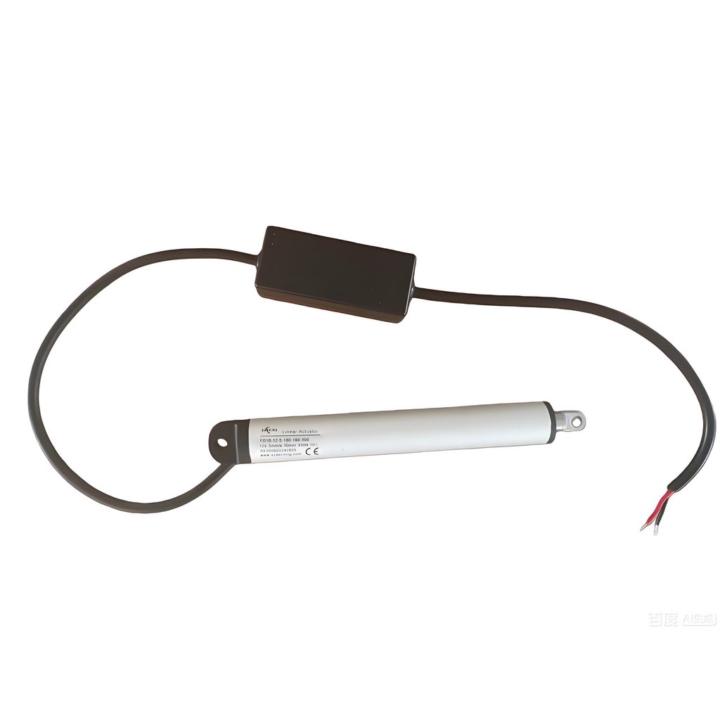
FD16 Mini Linear Actuator Supports Compact Motion Control for Automation, Robotics and Camera Equipment
As modern machines become smaller, smarter and more integrated, demand for compact motion control components continues to rise across industrial automation, robotics, medical devices, smart furniture and camera equipment. For engineers and OEM buyers, choosing the right actuator is no longer only about stroke and load. Size, noise, voltage compatibility, installation flexibility and long-term reliability are now equally important. The FD16 Linear Actuator from Sanxing is designed for applications where space is limited but precise electric movement is required. As a mini linear actuator 12V, the FD16 series is suitable for compact equipment designs that require reliable push-pull motion in a small installation footprint. 𝐂𝐨𝐦𝐩𝐚𝐜𝐭 𝐃𝐞𝐬𝐢𝐠𝐧 𝐟𝐨𝐫 𝐒𝐩𝐚𝐜𝐞-𝐋𝐢𝐦𝐢𝐭𝐞𝐝 𝐄𝐪𝐮𝐢𝐩𝐦𝐞𝐧𝐭 In many automation projects, engineers need a linear actuator micro size solution that can be installed inside narrow structures, compact housings or lightweight mechanisms. Traditional large actuators may provide strong force output, but they are often too bulky for modern equipment designs. The FD16 Linear Actuator is positioned for applications where compact structure and stable movement are both required. Its small body design makes it suitable for devices such as smart locks, adjustable mechanisms, robotics modules, camera supports, inspection equipment and light-duty automation systems. For projects that require controlled motion in a limited space, a compact linear actuator 200N class solution can help balance force, size and installation convenience. Depending on the selected configuration, compact actuators like FD16 can support precise movement while helping product designers reduce overall equipment size. 𝐅𝐥𝐞𝐱𝐢𝐛𝐥𝐞 𝐕𝐨𝐥𝐭𝐚𝐠𝐞 𝐎𝐩𝐭𝐢𝐨𝐧𝐬 𝐟𝐨𝐫 𝐎𝐄𝐌 𝐈𝐧𝐭𝐞𝐠𝐫𝐚𝐭𝐢𝐨𝐧 Voltage compatibility is an important factor for OEM product development. Many compact devices use 12V DC systems, while industrial control modules, robotics platforms and automation equipment may require 24V DC input. A 24V micro linear actuator option can make system integration easier for engineers working with control boards, power supplies and embedded automation platforms.
0
0
1-9 of 9