
Write something

Mar 19 •
Available now
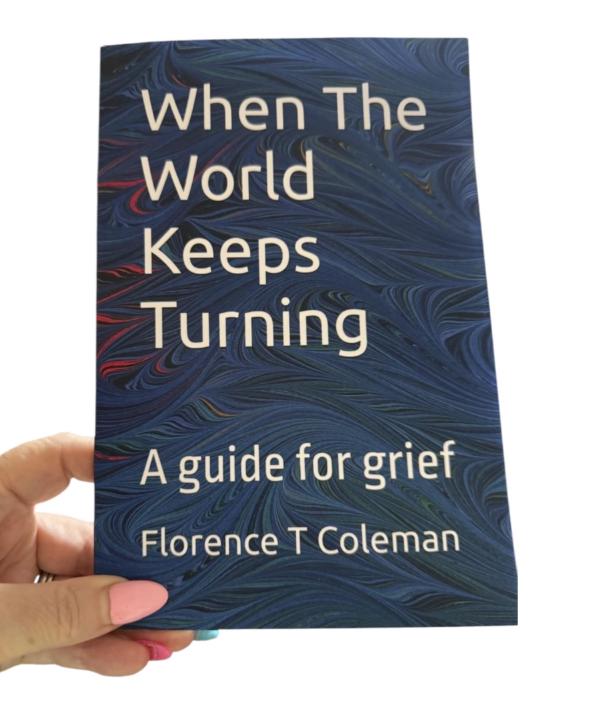
Following the death of my father I wrote how it felt navigating after the funeral. It’s available on Amazon I’ll pop the link in case your tempted (Florence was my nan) https://amzn.eu/d/00uxn6ed
0
0
Mar 18 •
Understanding loss
The Day Everything Changed It doesn’t matter how expected it was. It doesn’t matter how many days you told yourself to prepare. When someone you love dies, something inside you shifts. The world tilts. And nothing is ever quite the same again. People might say, “At least they’re not suffering,” or “They lived a good life,” or “You were lucky to have them.” Maybe all of that is true — but in the moment, it doesn’t matter. Because they’re gone. And you're still here. You might remember the exact moment. A phone call. A still hospital room. A message that felt surreal. Or maybe you don’t remember much at all — just a blur of movement and numbness and noise. Grief doesn’t always look how people expect. Some people sob. Some go silent. Some become painfully efficient. Some just sit and stare. This chapter isn’t here to tell you how you should have felt. It’s here to say: however it was for you — that’s okay. Maybe the day they died felt like a dream. Maybe it felt like falling. Maybe it felt like nothing at all. Maybe it hasn’t even hit you yet. Grief has no rules. Only waves. This chapter marks the beginning of your life after. The life that keeps going, even when you’re not sure how. “Sometimes, the bravest thing you can do is wake up and keep going.” — Unknown
Mar 18 •
You just have to give it time.” (And other things people say when they don’t understand grief)
When I think about my dad, it still catches me off guard. Sometimes it just overwhelms me—tears will fall from absolutely nowhere, and I have to take a minute just to compose myself. I get angry that he’s not here. And honestly, I get so upset seeing my mum try to navigate life without him. Watching her is like watching someone torn between two worlds: not wanting to carry on without him, but not wanting to not be here. And yet, through all of that, she has been a beacon of light through this darkness. That takes a strength most people will never fully understand. If you’ve lost someone, you probably know exactly what I mean. People love to tell you that “time heals” or that you just need to “move on.” But the truth is, you don’t move on from losing a piece of yourself. You don’t get over it. You are changed by it, forever. When my dad died, my whole world shifted. Through that mess of trying to figure out how to breathe again, I ended up finding what I was meant to do. I became a funeral celebrant to help families say goodbye with the dignity their people deserve. I started making memorial jewellery so people could carry a physical piece of comfort with them. Working with death and bereavement every day—and living with my own—showed me that there is a huge gap in how we handle the “after.” Society expects us to go back to normal once the funeral is over. But that’s exactly when the real, quiet struggle starts. That’s why I built The Grief School. I wanted a place where we don’t have to pretend we’re okay. A place to figure out how to live in this new reality. Right now, we are just getting started, and the doors to the main community are wide open and completely free. It’s a safe, no-pressure space to just be real. No toxic positivity, no timelines. Just people who actually get it, figuring out life after loss together. (Later on, I’ll be launching an optional “Inner Circle” for those who want deeper, guided support and practical tools for the really heavy days. But right now, I just want to build a solid foundation of people who support each other.)
0
0
Mar 18 •
The physicality of grief
Grief isn’t just a heavy emotion; it’s a literal rewiring of your brain and a massive shock to your body. When we deeply love someone, they become physically hardwired into our brain’s attachment networks. We get so used to them being around that our mind constantly predicts their presence, looks for them even when they’re no longer there. When they pass away, it throws our brain into total chaos. While our logical memory knows they are gone, our deep attachment wiring still expects them to walk through the front door. That disconnect creates an agonizing, heartbreaking sense of yearning. Healing actually requires the grueling process of “learning” their permanent absence, forcing your brain to slowly build new neural connections over countless days of living without them. This rewiring doesn’t just mess with your head—it takes a brutal physical toll on your body. The brain can see the loss of a loved one as a massive threat to your survival, which can throw your body into a relentless “fight or flight” mode. This stress response is so intense that your risk of a heart attack shoots up to 21 times the normal rate within the first 24 hours of losing a loved one. In extreme cases, this flood of stress hormones can actually cause “broken heart syndrome” (Takotsubo cardiomyopathy), a sudden and very real weakening of your heart muscle. We could therefore say “ Grief is the ultimate price we pay for love.” It feels like losing a piece of yourself because, neurologically speaking, you actually are References [1] Scientific American. (2024). How the Brain Copes with Grief. [2] American Heart Association. (2021). How grief rewires the brain. [3] Harvard Health. (2012). Heart attack risk soars. [4] Cleveland Clinic. Broken Heart Syndrome.
1-4 of 4
powered by
skool.com/grief-school-5015
Grief support, guidance and understanding. A safe place to explore how you’re feeling. A place where others actually do understand how you feel
Suggested communities
Powered by