
Write something

Nov '25 •
Every Coin Has a Story-Ogni Moneta ha una Storia
ENGLISH: Coins pass from hand to hand, yet we rarely stop to think about them.For a child, though, every object has a life, an origin, a little mystery waiting to be discovered. One day, while emptying my wallet, I showed my son a foreign coin.I told him it had traveled through another country, maybe it once sat in the pocket of someone buying bread or having coffee. From that moment, a beautiful conversation began: Who might have held it before us? What did they use it for? When children connect money to people and stories, they start seeing value as something deeper than the number engraved on the metal.They realize money doesn’t “appear” in a wallet — it represents work, exchange, and effort. 👨👩👧👦 Practical tips for parents: - Look together at different coins: notice the symbols, dates, and images. - Tell stories about where those coins might have been before reaching you. - Explain that behind every coin there’s someone who worked to earn it. - If you have foreign coins, use a globe or map: “Look, this one is from Spain. What do you imagine people buy there?” - 📘 Talking about money doesn’t have to be a lesson. It can be a story you create together. Today, take a coin and invent its story with your child.Hashtags:#MindfulNovember #FinancialEducationMonth #FinancialLiteracy #ConsciousParenting #RaisingMoneySmartKids #FamilyLearning #MoneyStories ITALIANO: Le monete passano di mano in mano, ma raramente ci fermiamo a pensarci.Per un bambino, invece, ogni oggetto ha una vita, un’origine, un mistero da scoprire. Un giorno, svuotando il portafoglio, ho mostrato a mio figlio una moneta straniera. Gli ho raccontato che era passata per un altro Paese, forse in tasca a qualcuno che stava comprando il pane o prendendo un caffè. Da lì è nata una conversazione bellissima: chi l’avrà avuta prima di noi? Cosa ci avrà fatto? Quando i bambini collegano il denaro alle persone e alle storie, iniziano a vedere il valore come qualcosa che va oltre il numero inciso sul metallo.Capiscono che i soldi non “nascono” nel portafoglio: rappresentano lavoro, scambio, impegno.
Nov '25 •
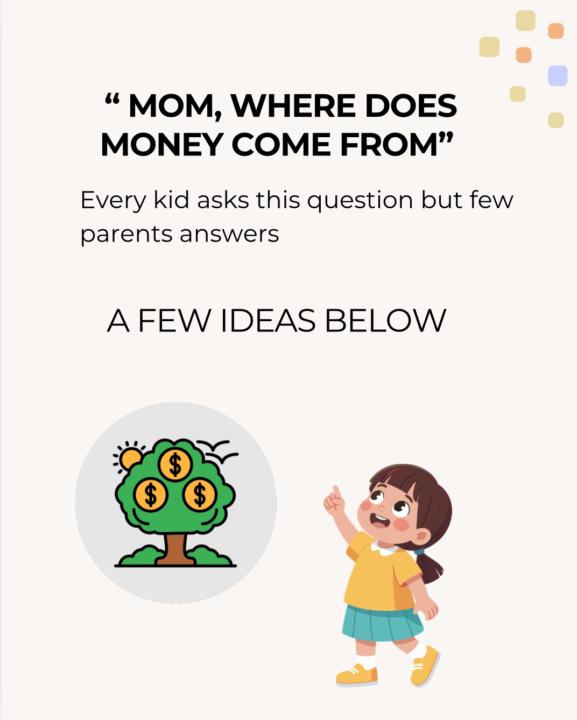
Mom, where does money come from?
ENGLISH: The other day my son asked me, “Where does money come from?” A simple question, yet full of meaning. We often avoid answering, as if money were something “for adults only.” But curiosity is precisely the soil where awareness grows. Speak with your child in simple terms: you can say that money comes from working, creating value, helping others, or from someone who saved in the past. Practical tips for parents: ✅ Take a moment today to look at a coin or a banknote together and explain where it comes from (for example: from mom’s or dad’s work, or from the exchange of goods and services). ✅ Encourage the question: “What do you think a job is? And what happens after someone earns money?” Give space for your child’s imagination to flourish. ❌ Avoid words that make money sound mysterious or taboo. In their world, money shouldn’t be a secret, but a natural part of everyday family life. Which one will you implement? Comment below ITALIANO: L'altro giorno mio figlio mi ha chiesto: "Ma i soldi da dove arrivano?" Una domanda semplice, ma piena di senso. Spesso evitiamo di rispondere, come se il denaro fosse un argomento "da grandi". Eppure è proprio la curiosità il terreno su cui germoglia la consapevolezza. 💪🏻Parla con lui in modo semplice: puoi dire che i soldi arrivano perché lavoriamo, produciamo valore, aiutiamo gli altri, oppure perché qualcuno ha risparmiato prima. Suggerimenti pratici per i genitori: ✅ Prendi un momento oggi per osservare insieme una moneta o banconota e spiegare da dove proviene (ad esempio: dal lavoro di papà/ mamma, dallo scambio di beni o servizi). ✅ E, Incoraggia la domanda: "Tu cosa pensi che sia un lavoro? E cosa succede dopo che qualcuno ha guadagnato i soldi?". Lascia spazio alla creatività del bambino. ❌ Evita termini da "mistero" o tabù. Nel loro mondo i soldi non devono essere un segreto, ma una parte naturale della vita familiare. Quale implementerai? Scrivilo nei commenti
Nov '25 •
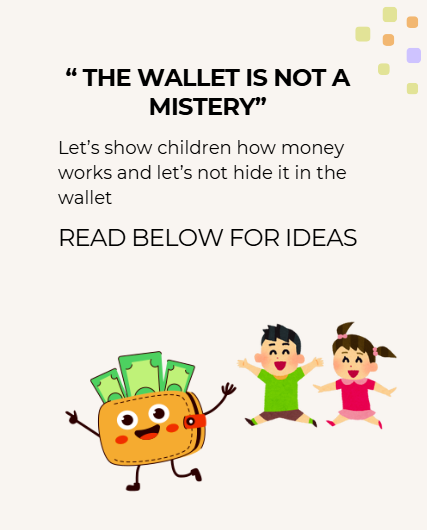
"The wallet is not a mistery- Il portafoglio non è un mistero"
ENGLISH: When we go grocery shopping, children notice everything — what we choose, how long we take, even how we pay.Yet we often keep them at a distance, as if the wallet were an “adults-only secret.” But for them, it’s the perfect learning lab.A simple “we’re buying this because we need it” or “we’re not buying it today because it costs more than it’s worth” becomes a small daily economics lesson. 👨👩👧👦 Practical tips for parents: - Let your child choose a small item at the store, then show them the price and how the payment works. - Explain that every purchase requires a decision and a limit — we can’t have everything, but we can choose carefully. - Show them different payment methods: cash, card, or phone. Help them understand that “money doesn’t disappear by magic.” - After shopping, ask: “Why did we buy this? What do you think it’s for?” — their answers will surprise you. 📘 The wallet isn’t a mystery — it’s a tool. And the more visible it is, the more our children learn to manage it with respect and awareness. Involve your child in a small purchase this week. Watch together what happens. ITALIANO: Quando andiamo a fare la spesa, i bambini osservano tutto: cosa scegliamo, quanto tempo ci mettiamo, persino come paghiamo.Eppure spesso li teniamo a distanza, come se il portafoglio fosse un segreto da adulti. Ma per loro è un laboratorio perfetto per imparare.Un semplice “paghiamo questa cosa perché ne abbiamo bisogno” o “oggi non la compriamo perché costa troppo rispetto al suo valore” è una piccola lezione di economia quotidiana. 👨👩👧👦 Suggerimenti pratici per i genitori: - Lascia che tuo figlio scelga un piccolo prodotto al supermercato, poi mostragli il prezzo e il momento del pagamento. - Spiega che ogni acquisto richiede una decisione e un limite: non possiamo avere tutto, ma possiamo scegliere con cura. - Mostragli anche i metodi di pagamento: contanti, carta, o app. Aiuta a capire che “il denaro non sparisce per magia”. - Dopo la spesa, chiedi: “Perché abbiamo comprato questo? Cosa pensi che serva?” – le loro risposte ti sorprenderanno.
Nov '25 •
NOVEMBER IS FINANCIAL EDUCATION MONTH
This year I am going to concentrate on financial education for kids! Follow along for 30 days of focused content . Your kids will thank you
1-4 of 4
powered by
skool.com/edu4money-1438
A ( 🇺🇸; 🇮🇹 ) community for people that want to become financially savvy and start their journey to create long term wealth.
Suggested communities
Powered by