
Write something

Mar 1 •
Week 2 - All About Plate Tectonics
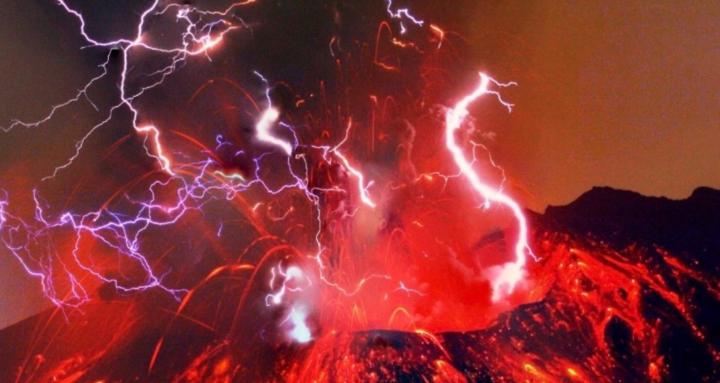
When we look at Earth’s surface, it may seem stable and unchanging. However, scientists know that Earth is constantly moving and evolving. Beneath the surface are layers with different physical properties, temperatures, and behaviors. These layers influence how Earth’s surface changes over time. Earth’s outer layer is broken into large pieces called tectonic plates. These plates move very slowly, but their motion can produce powerful geological events such as earthquakes, volcanoes, and mountain formation. This movement is driven by heat from deep within the planet, which causes material in the mantle to circulate. Understanding Earth’s internal structure helps scientists explain why continents move, why geological hazards occur in certain regions, and how Earth’s surface has changed throughout its history. These processes are not always visible, but they have shaped the planet we live on today. Discussion Prompt Before learning about Earth’s layers and plate tectonics in detail, consider what you already know or believe about Earth’s interior. Why do you think Earth’s surface changes over time? What forces or processes might cause continents to move, mountains to form, or earthquakes to occur?
0
0
Mar 1 •
Week 1
All about the basics. We are starting with the bare bones and learning about the why Earth Science is important. Why do you think it’s important? Why do we need to study our planet? The answers to Week 1's quiz will be presented in Week 2.
0
0
Jan 14 •
Welcome to Earth Science 101!
In this first post, why don’t we introduce ourselves? Give a bit of background and what you hope to learn from these videos. My name is Caelen. I graduated Unity Environmental University December 2024 with a 4.0 GPA, obtaining a Master Degree in Environmental Science. I also have a Bachelor’s degree in Geoscience. I enjoy reading, cross stitching, and finding new projects to work on. I also have a very deep love of nature and those who inhabit it. So, come join me and let’s learn about the planet we call home.
0
0
1-3 of 3
powered by
skool.com/earth-science-101-7981
A place for learning and growing. Come join my tutoring sessions. Classes uploaded every week with fun new material for all ages!
Suggested communities
Powered by