
Write something

Apr 3 •
EARLY SIGNS OF DEMENTIA FAMILIES MISS.
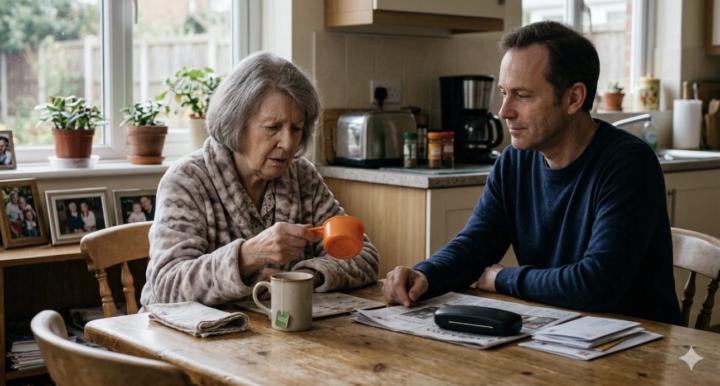
She stood in her kitchen, holding a spoon, staring at the drawer she had opened. Not confused enough to ask for help. Not aware enough to notice something was off. Just paused. Moments like this are easy to brush aside. People call it aging, stress, or distraction. But sometimes, it is the mind struggling quietly to keep up with what used to feel automatic. Early dementia does not always look like memory loss. It often shows up as small breaks in routine, hesitation in familiar tasks, or subtle changes in mood and confidence. What helps in these moments: • Slow things down. Rushing or correcting too quickly can increase anxiety. Give space for the person to find their way. • Keep instructions simple. One step at a time is often easier to follow than a full explanation. • Pay attention to patterns. One off moments happen. Repeated changes in behavior are what matter. • Stay calm in your response. The tone you bring often shapes how safe or stressed the person feels. A common mistake is dismissing these signs because they seem minor. By the time they become obvious, the person has often been struggling alone for longer than anyone realized. Early awareness is not about labeling someone. It is about understanding them sooner, and adjusting care with patience and respect. At what point did you first notice something was changing, and looking back, what did you miss at the beginning? Join Calgary Seniors & Caregivers Support Hub - https://lnkd.in/dPktGCcv Dr. Chidi Nwachukwu
2
0
Mar 31 •
WHEN IS THE RIGHT TIME TO START HOME CARE?
Most families wait too long to start home care. Not because they don’t care, but because they’re trying to hold things together. They step in, adjust their schedules, and tell themselves it’s “not that bad yet.” By the time they reach out, they’re exhausted and the situation is often more complex. From what I’ve seen on the ground, the “right time” usually shows up earlier than people expect: • When small things start slipping. Missed medications, unopened mail, changes in hygiene or meals. These are early signals, not minor issues. • When family members become the system. If care depends on one person constantly checking in, coordinating, and worrying, that’s already a strain point. • When routines start breaking down. Sleep patterns, mobility, or memory changes, especially in dementia, tend to worsen without structure and support. • When safety becomes a question. Even one fall, one wandering incident, or one close call is enough to shift the risk level. • When visits feel more like tasks than connection. If time together is spent managing care instead of being present, something needs to change. Reality check: starting home care early doesn’t mean giving up independence. In many cases, it’s what helps people keep it longer. The goal isn’t to wait for a crisis. It’s to stay ahead of one. If you look back on the families or clients you’ve worked with, what were the early signs that care should have started sooner? Have a question or inquiry? Reach out at info@vimsacare.com. Dr. Chidi Nwachukwu
3
0

Mar 30 •
WHAT HAS YOUR EXPERIENCE BEEN LIKE?
It’s 10:42 p.m. and your phone lights up. You weren’t expecting a call this late—but something told you to check. It’s your mom. Her voice sounds… different. Slightly confused. She pauses mid-sentence, searching for words she used to find easily. She laughs it off. “Just one of those days,” she says. But after you hang up, you sit there longer than usual. Because deep down, you know—this isn’t just one of those days. At first, it’s subtle. A forgotten appointment. A misplaced item. Repeating the same story twice in one conversation. You tell yourself it’s normal. Age-related. Nothing to worry about. But then it becomes harder to ignore. You start noticing patterns. The missed medications. The unopened mail. The hesitation when they try to follow a simple routine they’ve done for years. And then come the questions. Is it time to step in? Am I doing enough? What happens if something goes wrong when no one is there? You try to be present. You rearrange your schedule. You check in more often. You do what you can. But you’re also managing your own life—your work, your family, your responsibilities. And somewhere in between, the weight begins to build. Not just physically, but emotionally. Because you’re no longer just a daughter, or a son. You’ve become a caregiver. For many families, there comes a moment when things shift from concern to certainty. It might be a fall. A confused walk outside that turns into getting lost. A call from a neighbour. Or a hospital visit that forces difficult conversations. It’s the moment when you realize that love and good intentions are no longer enough to keep someone safe. Not because you’ve failed—but because dementia and Alzheimer’s change the rules. And that realization is not easy. Accepting help can feel like giving something up. But in reality, it’s the opposite. It’s choosing stability over uncertainty. Safety over constant worry. Support over silent exhaustion. It’s choosing to care for your loved one in a way that is sustainable—for them, and for you.
2
0

Mar 30 •
ACCOUNTABILITY IN CAREGIVING
Accountability in caregiving is not about blame. It is about ownership. In home care, small actions carry real weight. A missed note, a delayed visit, or an assumption can quickly affect someone’s health, safety, or dignity. That is why accountability is not optional. It is the backbone of good care. Here is what it looks like in practice: ▪ Doing what you said you would do. If a task is assigned, it gets done fully, not halfway or “good enough.” ▪ Documenting clearly and honestly. Notes are not paperwork for the office. They guide the next caregiver and protect the client. ▪ Speaking up early. If something feels off, a change in behavior, a new risk, or a mistake, it must be reported. Silence creates bigger problems. ▪ Owning mistakes without excuses. Errors happen. What matters is how quickly they are acknowledged and corrected. ▪ Following the care plan consistently. Personal shortcuts or preferences should not override agreed care unless there is a clear reason and it is communicated. A common mistake is thinking accountability is about being watched or corrected. In reality, it is about protecting the client and supporting the team to deliver safe, reliable care. Strong caregivers do not avoid responsibility. They step into it, even when it is uncomfortable. Where have you seen accountability make the biggest difference in care outcomes? Have a question or inquiry? Reach out at info@vimsacare.com. Dr. Chidi Nwachukwu
2
0

Mar 27 •
WHAT RUNNING A HOME CARE SERVICE ACTUALLY INVOLVES
Most people think running a home care service is about caring for seniors. It’s not. That’s only one part of it. What you’re really managing is a moving system made up of people, schedules, risks, emotions, and expectations, all inside someone else’s home where you have limited control. Here’s what that actually looks like on the ground: • Staffing never “settles.” Someone calls in sick, a client’s needs change, or a personality mismatch shows up. You are constantly adjusting while trying to keep care consistent. • Families need as much management as clients. Clear communication, expectation setting, and sometimes difficult conversations are part of daily operations. • Care plans are living documents. What worked last month may not work today, especially with dementia or declining health. • Small details carry real risk. Missed medications, late arrivals, or poor documentation are not minor issues. They compound quickly. • Your caregivers set the ceiling. Their training, judgment, and emotional stability directly shape the quality of care more than any system you build. A common mistake is thinking good intentions are enough. They’re not. Without structure, accountability, and strong leadership, even caring teams struggle. Running home care is less about being kind, and more about being consistent, clear, and prepared for things to go wrong. What part of home care operations do you think people underestimate the most until they’re inside it? Have a question or inquiry? Reach out at info@vimsacare.com. Dr. Chidi Nwachukwu
2
0

1-30 of 30
powered by
skool.com/dementia-caregiver-academy-4034
A supportive community for caregivers of all kinds. Learn practical care techniques, upgrade your knowledge, reduce burnout, and connect with others.
Suggested communities
Powered by