18d • Sunday Reflections
Sunday Reflections: November 16th 2025
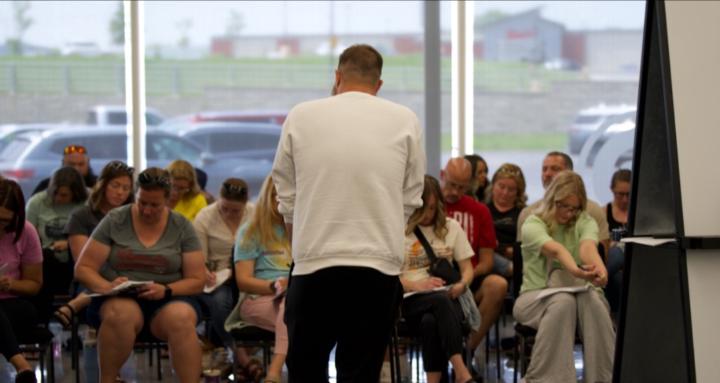
This weekend our level 2 leadership group met, and it was one of those meetings that went over their heads, for good reason. I introduced a philosophy of Socractic questioning. The confusion was priceless and it opened the door to a different way of thinking. We are always looking for the answers, but what if you had better questions?
The Problem: We're Trained to Answer, Not Question
When I gave the students scenarios and asked them to use Socratic questioning, most of them had no idea what questions to ask. They tried to give me answers instead and that's not their fault. That's how we're trained.
School teaches you what to think. Social media tells you what to believe. Society hands you answers and expects you to accept them.
Here's a truth: your brain is great at creating stories. And a lot of those stories are disempowering.
"I'm not good enough."
"Everyone hates me."
"I can't do this."
Your brain tells you these things like they're facts. But they're not facts. They're stories. And most of the time, they're not even true.
Socratic questioning teaches you to challenge those stories. To ask better questions. To uncover the truth of your thoughts and feelings instead of just accepting them.
Because if you don't question your internal dialogue, you'll believe every lie your brain tells you.
Most of society is designed to tell you what to think. What's right. What's wrong. What success looks like. What you should want. I'm not interested in teaching kids what to think. I'm interested in teaching them how to think. How to question assumptions. How to challenge beliefs. How to think critically instead of just accepting what they're told.
Because the world is going to throw a lot at them. Pressure. Expectations. Opinions. Criticism.
And if they don't know how to question what they hear, they'll believe all of it.
But if they learn how to ask better questions, they can navigate anything.
"Is this true, or is this just what someone told me?"
"What evidence do I have for this belief?"
"What would need to change for this to be different?"
That's how you build resilient, independent thinkers.
This week, I challenged the STORM team to catch one limiting belief and question it. To use Socratic questioning in at least one conversation. To practice thinking critically instead of just reacting.
And I'm extending that challenge to you.
What story is your brain telling you right now that might not be true?
What assumption are you making that you've never questioned?
What would change if you asked better questions?
You don't have to have all the answers. You just have to be willing to ask better questions.
That's where growth starts. That's where clarity comes from. That's how you become someone who thinks for themselves.
What's one belief you need to question this week?
BONUS: 10 Socratic Questions to Challenge Your Thinking
Socrates didn't give answers. He asked questions that forced people to examine their beliefs. Here are 10 questions rooted in the Socratic method:
Clarification:
- What do you mean by that?
- Can you give me an example?
Probing Assumptions:
3. What are you assuming here?
4. Is this always the case?
Probing Reasons and Evidence:
5. Why do you say that?
6. What evidence supports this?
Questioning Perspectives:
7. What would someone who disagrees say?
8. What is an alternative way to look at this?
Probing Implications:
9. If this is true, what else must be true?
10. What effect would that have?
Save this list. Use it. Share it with your kids.
These questions will change the way you think.
2
0 comments
Sunday Reflections: November 16th 2025