Activity
Mon
Wed
Fri
Sun
Jul
Aug
Sep
Oct
Nov
Dec
Jan
Feb
Mar
Apr
May
What is this?
Less
More
Owned by Vernon
Creating Vision, Influence, and Mindset for student athletes, coaches and parents
Memberships
The AI Advantage
124.6k members • Free
The Dear Betty Network
11 members • Free
ChatGPT Users
12.7k members • Free
🏛️ Coaching Academy
3.5k members • Free
Business Tech Alliance
7 members • Free
AI Automation (A-Z)
155.6k members • Free
RISECORE JIU-JITSU
448 members • Free
Scale Your Coaching
20.3k members • Free
Skoolers
182k members • Free
23 contributions to Coach V3
Dec '25 •
Sunday Reflections: Dec 14th 2025
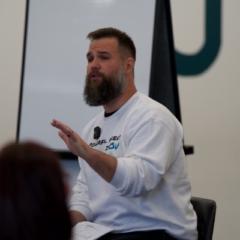
Big update over here. We’re pregnant. We’ve known for a while, but this past week we finally shared it with everyone outside of the family. It’s been one of those “we’ve been holding this close” seasons. Excited, grateful, and honestly just soaking it in. I also showed up for some student athletes that competed over the weekend, and a scheduled date night with my wife. I often get asked how do I have the time to do all these things. I sometimes miss the mark, but I remind myself that you don't get time, you make time. I have things that are really important to me so I press through. I also find time to slow down. This is a season in which I try to be mindful of this concept. As I slow down into the new year, I’m trying to carry that with me. Less rushing. More presence. More gratitude. More enjoying what’s right in front of me. New baby on the way. Full heart. Big season ahead. What are you slowing down for as we head into the new year?
Dec '25 •
Sunday Reflections: November 30th 2025
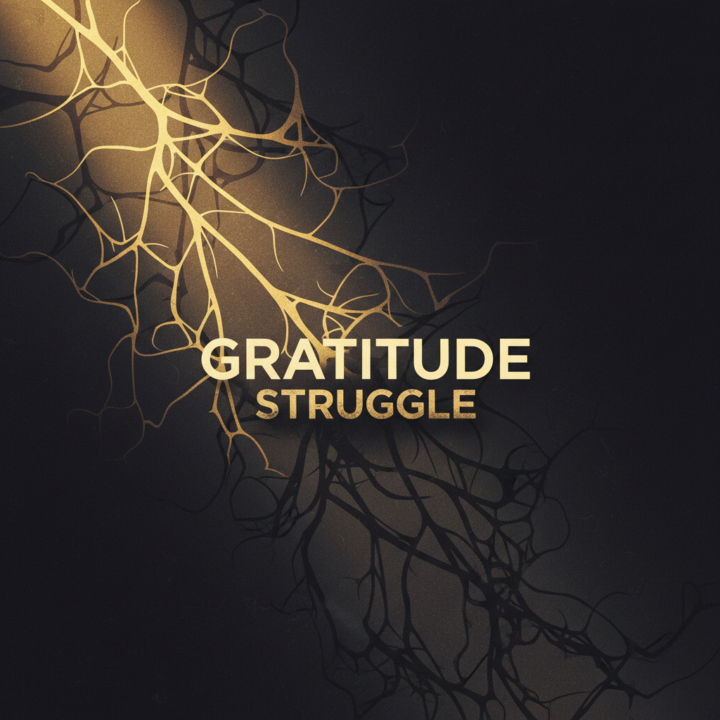
Thanksgiving just passed. And if you're like most people, you spent some time thinking about what you're grateful for. Your family. Your health. Your job. The roof over your head. The good things. That's easy. Gratitude is easy when life is good. Here's the harder question: What are you grateful for that didn't feel good? What struggle shaped you? What failure taught you? What hard moment made you who you are? Because gratitude isn't just about the wins. It's about the whole experience. The falls. The setbacks. The moments you didn't think you'd get through.That's where the real growth is. And if you can find gratitude there, you unlock something most people never do. I struggle with this. I'm constantly trying to improve myself. Always pushing. Always looking for what's next. What needs to be better. Where I'm falling short. It's exhausting. This weekend gave me an opportunity to slow down. To actually reflect on the progress I've made. The people I'm grateful for. The day-to-day challenges that grow me. The demand I put on myself? That's part of what shapes me. The pressure. The expectations. The constant push to be better. I used to think that was a problem. But it's the fuel. The struggle isn't something to fix. It's something to be grateful for. Because without it, I wouldn't be who I am. I wouldn't have built what I've built. I wouldn't have the relationships I have. I wouldn't have learned what I've learned. The hard moments? They're not interruptions. They're part of the experience. The Stoics called it amor fati. Love your fate. Not just accept it. Love it. All of it. Marcus Aurelius said, "The impediment to action advances action. What stands in the way becomes the way." The obstacle isn't blocking your path. It is the path. Buddhism teaches that suffering is the teacher. You don't grow in comfort. You grow in discomfort. In struggle. In the moments that break you open and force you to rebuild. Nietzsche said, "He who has a why to live can bear almost any how."
1 like • Dec '25
@Christina Dusso I love this! The more you share your stories, they are different but similar enough to many of the feelings I've gathered. I bring this up because there is a lot of people who feel alone or like no one gets it. The truth is that we have all had moments that bring up the core feelings of resilience, flexibility, loss, joy, pain, etc. Thanks for always providing these additional insights!
Dec '25 •
Sunday Reflections: December 7th
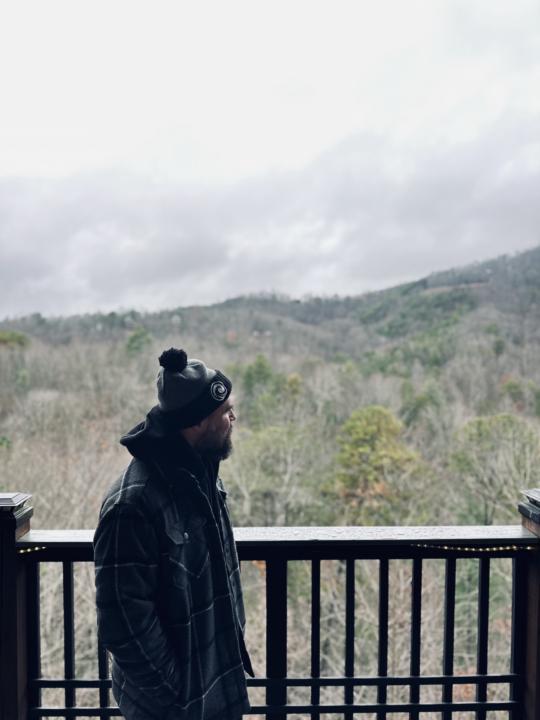
I have a hard time taking vacations. I'm always moving. Always pushing. Always looking for what's next. Slowing down doesn't come naturally to me. This past weekend, I packed up the whole family, including the dog. We drove from Wisconsin to St. Louis to pick up Eli and Logan, then headed down to The Smoky Mountains. For a few days, I slowed down. Vacations bring their own type of chaos. Long car rides. Kids in the backseat. Constant movement. Stops for gas, food, bathroom breaks, every couple hours. It's not what most people call relaxing. Tennessee gives me something different. A chance to slow down. Physically and mentally. To take things in. To reflect. To enjoy the time with family and just be present. Driving through the mountains, I had to be present. Every turn, every steep angle. You have to hug the curves. Slow down, pay attention, and while I'm focused on the road, the Smoky Mountains are right there. Stretching out in front of me. Layers of blue and gray fading into the distance. You can't rush through mountains. You have to respect the terrain. Move with it. Stay present. And when you do, you get the view. I'm ready to get back to the academy. Training. Coaching. Teaching. Impacting. This trip gave me something I needed. The views. The mountains. A little bit of Tennessee "shine" and memories of southern living. I'm from Gainesville, Florida. Being down south brings me back. It's a different kind of recharge. I spend most of my time pushing. Building. Growing. Improving. That's who I am. That's what I do. But if I don't take time to slow down, I lose perspective. I lose sight of what I'm building for. My family. These moments. This life. Vacations aren't escapes. They're reminders. Why you work so hard. What matters. Being present with the people who matter most. I'm not good at slowing down. But I'm learning it's not weakness. It's necessary. You can't show up powerfully if you never stop to refuel. So here's my challenge. When's the last time you slowed down? Not because you were forced to. Because you chose to.
1 like • Dec '25
@Christina Dusso I can imagine in your line of work it is also extremely easy to be in the grind. I appreciate your own self awerness to find those moments to slow down. You are putting in the work, be proud of that!
Nov '25 •
Sunday Reflections: November 23rd 2026
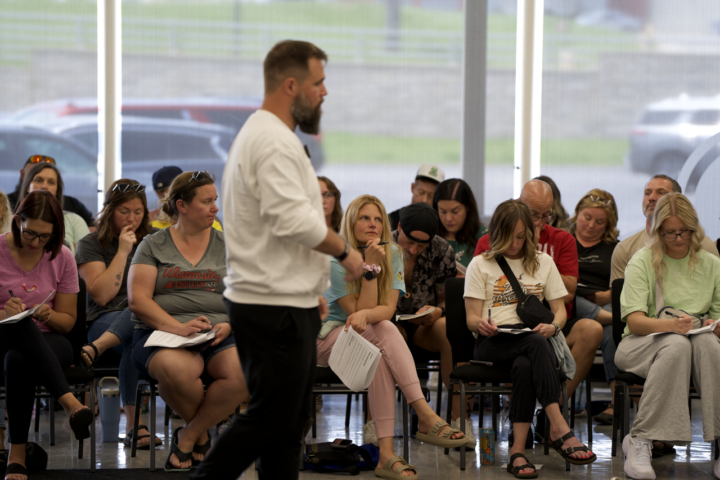
Last June, I ran the first Powerful Parenting Workshop. Some came because their kid was struggling. Some came because they were struggling. Most came because they knew something needed to change, they just didn't know what. I didn't sugarcoat it. I told them the truth: most of what's going on with your kid isn't about your kid. It's about you. Your patterns. Your triggers. Your unhealed stuff. One parent said, "I felt seen as a parent but not judged. I felt validated in my struggles, enlightened by the perspective, and encouraged for better." Another said, "My toolbox was empty when I walked in. I left with my toolbox full." And one of my favorites: "I would recommend this workshop to others, as it is not just for parents going through something difficult. Every parent could get some value from this and get a new perspective of their children and being a parent in today's world." That's what this work is about. It's about good parents raising their standards. Parents who care deeply but know there's more to learn. Parents who want to create connection, heal old wounds, and show up powerfully for the people who matter most. I'm a coach. I work with their kids every day. I see their struggles. Their strengths. Their potential. I also see the parents doing trying their best. And here's what I know: the most powerful thing I can do for a kid isn't just teach them jiu jitsu. It's help their parents show up powerfully at home. Because kids don't just need great coaches. They need great parents. Parents who lead with empathy and boundaries. Parents who validate feelings and set clear expectations. Parents who repair when they mess up. Parents who model the emotional regulation they want to see in their kids. That's what powerful parenting is. Most of us parent the way we were parented. We use the same phrases. We set the same boundaries. Or don't. We react the same way our parents reacted and most of the time, we don't even realize it. But here's the truth: the way you were parented shaped you. And the way you parent is shaping your kids.If you don't take the time to look under the hood, to examine your patterns, your triggers, your default responses; you'll keep repeating the cycle.
Nov '25 •
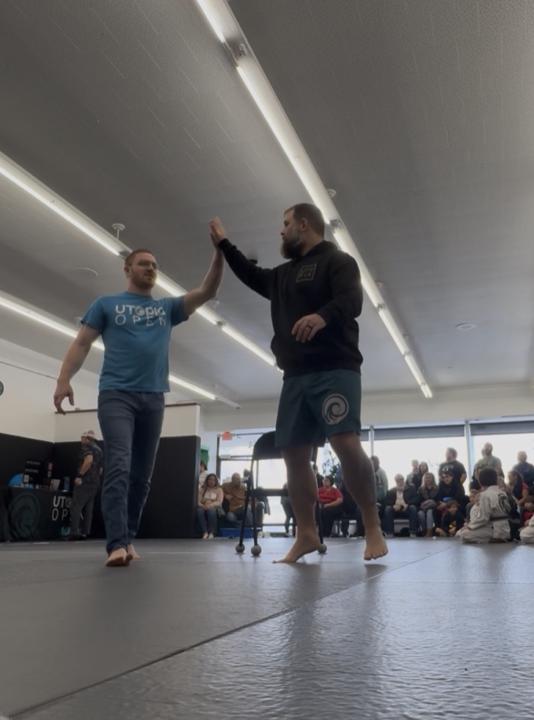
Sunday Reflections: November 9th 2025
This weekend, we hosted our 5th Utopia Open. I watched kids compete, parents cheer, and coaches guide. I also watched frustration, tears, and moments that didn't go the way people hoped. And I was reminded: competition teaches us more than technique and game plans. It teaches us how to show up when things don't go our way. Drew and I spend a lot of time curating these matches. We want them to be competitive. We want them to push our student-athletes. We want them to be challenging, because that's where growth happens. But with competition comes adversity. Calls get missed. Matches feel unfair. Emotions run high. And that's not a flaw in the process. That's part of the lesson. The Reality of Competition Refs are human. Coaches are human. We miss things. A call doesn't go the way you think it should. A match feels one-sided. Your kid loses, and it doesn't feel fair. I get it. I see the frustration. I see parents questioning calls. I see kids crying after tough losses. And here's what I want you to know: we see it too. We care. We want every match to be fair, every call to be right, every kid to have their best moment. But competition isn't perfect. It can't be. Because the people running it, coaching through it, and the student athletes competing in it are all human. The Life Lesson Here's the truth: life doesn't always go your way either. You'll work hard and not get the promotion. You'll do everything right and still face setbacks. You'll show up with integrity and still encounter unfairness. That's not pessimism. That's reality. And if we only teach kids how to succeed when everything goes perfectly, we're not preparing them for life. We're setting them up to crumble the first time things don't go their way. Competition teaches resilience. It teaches you how to lose with grace. How to handle frustration without falling apart. How to keep showing up even when the outcome isn't what you hoped for. That's the lesson. Not the medal. Not the win. The ability to face adversity and choose to keep going.
1 like • Nov '25
@Christina Dusso From my pov, it was his most composed matches since he started competing. I am glad I was able to be on his mat to keep his focus and keep his emotions in check. He was breathing well, and was locked in the entire time. He should be very proud of himself!
0 likes • Nov '25
@Robert Schwanz Yes! It's amazing watching student athletes get out of their comfort zone and put their efforts into showcasing their talents. Way to go Blake!
1-10 of 23
Active 8d ago
Joined Aug 22, 2025
ENFP