
2d (edited) • 📚 Resources & Finds
Class, meet Brofessor.
TL;DR
/brofessor is ICM-based skill that helps clean up AI-agent workspaces.
It's also a small persona factory: the audit engine stays the same, but you can switch and create personas, and even tune them with a CONFIG.md
It checks whether your docs, routing, stages, review gates, and context-loading patterns make
sense.
It finds bloat, confusion, contradiction, and overbuilt process junk.
Then it proposes the smallest safe fix, waits for approval, executes only what you approve, and
wraps up with a clear synthesis.
It is half workspace auditor, half context janitor, half theatrical menace.
Yes, that is three halves.
The math is fine. Keep moving.
Grab it, run it on a messy workspace, and let it bully your docs into behaving.
- Brofessor
iight now that that's out of the way, I'm going to explain why this shit actually bangs - actually fuck it imma let him explain this too.
ps - this skill was made in 3 prompts, I can show you how I did it if anyone's curious...
- yuckyyy
Yep — replace the longer **“How It Works”** section with this:
```md
## How It Works
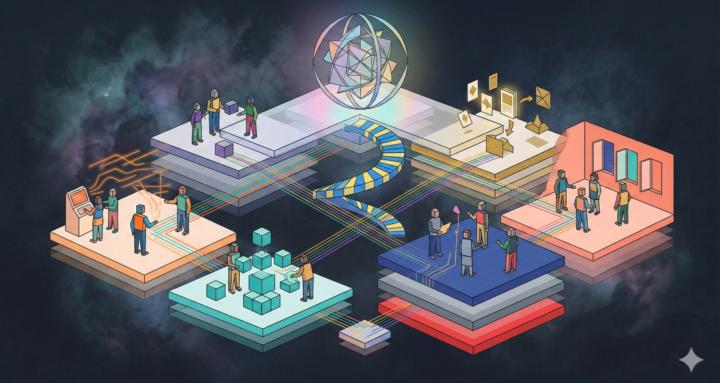
Brofessor works because the prompt is built like a layered workspace auditor, not a generic “clean up my docs” request.
### 1. Core Directive: Treat the Workspace Like a Factory
The prompt frames the repo as a multi-stage context system:
- each stage has inputs
- each stage produces outputs
- each stage loads only what it needs
- stable rules live outside active work
- review gates control movement between stages
So Brofessor is not asking, “Are these files tidy?”
It is asking, “Can agents move through this workspace predictably?”
### 2. Layer Model: Give Every File a Job
Brofessor audits through five layers:
- **Layer 0:** workspace identity
- **Layer 1:** map/orientation
- **Layer 2:** routing/context loading
- **Layer 3:** stable rules, contracts, criteria
- **Layer 4:** active products and outputs
This prevents the classic markdown soup problem where `CLAUDE.md`, `CONTEXT.md`, plans, rules, drafts, and review notes all start pretending to be the boss.
### 3. Router Discipline: Load Less, But Better
A major mechanic is explicit routing:
- what to load
- when to load it
- what not to load
That “do not load” part is the secret sauce. Brofessor treats over-context as a defect, not a flex.
### 4. Stage Contracts: No More Vibes-Based Handoffs
Each stage should define:
- its purpose
- required inputs
- expected output
- acceptance criteria
- handoff requirements
This keeps agents from improvising the workflow every time they enter the repo.
### 5. Semantic Debugging: Fix the Factory, Not Just the Artifact
If an output is wrong, Brofessor does not only ask, “How do we patch this?”
It asks:
> Did the system produce this mistake because a rule, router, convention, or review gate was unclear?
That means repeated errors become upstream improvements instead of endless whack-a-mole.
### 6. Minimum Viable Fix: No Architecture Theater
Brofessor is designed to propose the smallest useful repair:
- move stable rules out of bloated routers
- add missing review gates
- clarify load/skip rules
- separate active work from durable reference
- tighten stage handoffs
Not “congratulations, your tiny docs issue is now a fourteen-folder governance regime.”
### 7. Persona Layer: Same Engine, Different Menace
The persona system changes the delivery style, not the audit logic.
ProfessorHulkster, Anime Villain, Cthulhu, Poindexter, and Cringe Guy all run the same core mechanics:
**evidence first, route before loading, minimum safe fix, approval before execution.**
8
4 comments
Class, meet Brofessor.
skool.com/cliefnotes
Jake Van Clief, giving you the Cliff notes on the new AI age.
Leaderboard (30-day)
1

+847
2

+728
3

+622
4

+559
5

+421
Powered by