
Write something

May 22 •
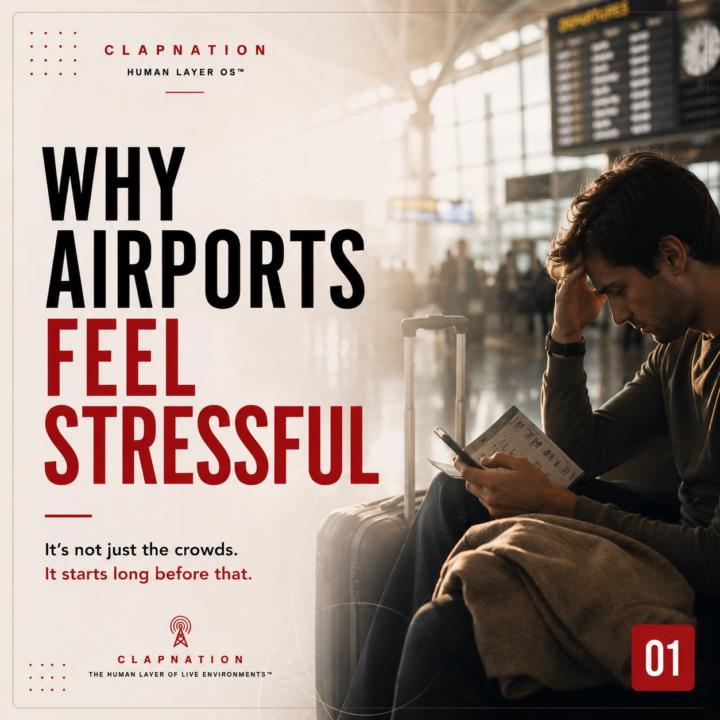
Why Airports Feel Stressful
Most people think airports feel stressful because of crowds. But stress usually starts much earlier than that. - Uncertainty. - Transitions. - Waiting. - Noise. - Pressure. - Constant decision-making. Your brain never fully relaxes. And once thousands of people start carrying that same emotional pressure together… the entire environment starts feeling heavy. Because airports are not only moving people physically. They are managing people psychologically. The environments that do this best understand something most people never see. The Human Layer. How movement affects emotion. How atmosphere affects behavior. How transitions affect stress in real time. Once you start seeing that layer… you never experience environments the same way again.
0
0
May 21 •
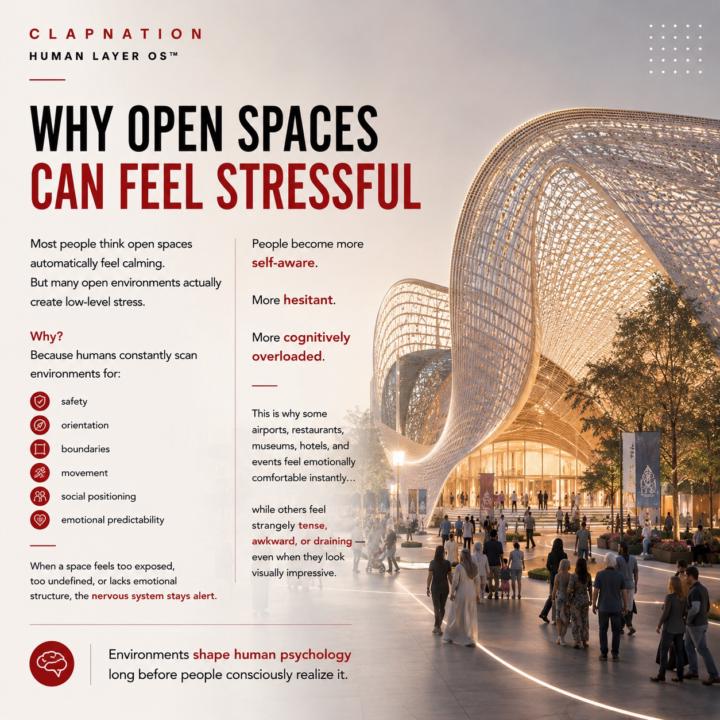
Why Open Spaces Can Feel Stressful
Most people think open spaces automatically feel calming. But many open environments actually create low-level stress. Why? Because humans constantly scan environments for, - safety - orientation - boundaries - movement - social positioning - emotional predictability When a space feels too exposed, too undefined, or lacks emotional structure, the nervous system stays alert. People become more self-aware. More hesitant. More cognitively overloaded. This is why some airports, restaurants, museums, hotels, and events feel emotionally comfortable instantly… while others feel strangely tense, awkward, or draining, even when they look visually impressive. Environments shape human psychology long before people consciously realize it.
0
0
May 21 •
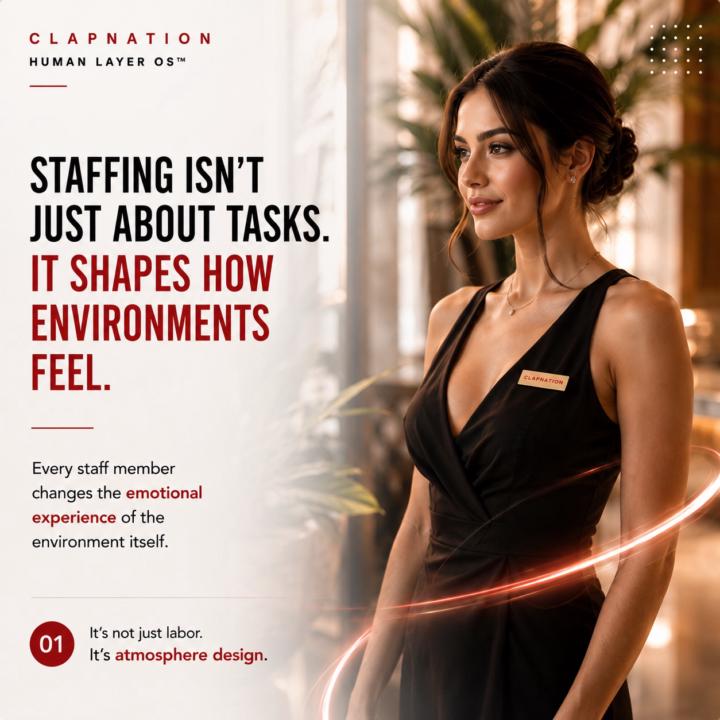
Why Most Live Environment Staffing Feels Robotic
Most live environment staffing feels robotic because most teams are trained to complete tasks… not shape human experiences. They’re taught, - where to stand - what to say - what time to arrive - how to follow instructions But rarely, - how to influence atmosphere - how to read emotional energy - how to manage presence - how to guide human behavior - how to shape how environments feel So the result becomes operationally functional… but emotionally empty. You can feel it instantly. The interaction feels scripted. The energy feels disconnected. The environment feels mechanically staffed instead of intentionally operated. The problem is not the people. The problem is the system behind them. Most staffing models were built around, - coverage - logistics - visibility - task completion - manpower Not, - psychology - emotional intelligence - atmosphere - behavioral flow - environmental perception Great live environments understand something deeper. Every staff member changes the emotional experience of the environment itself. - Posture changes perception. - Movement changes energy. - Tone changes tension. - Presence changes trust. - Behaviour spreads socially. Humans constantly read humans. Consciously and unconsciously. That means every staff member becomes part of the environment’s emotional architecture. The best environments don’t just deploy staff. They orchestrate, - movement - pacing - positioning - interaction - emotional tone - social energy - environmental rhythm That’s the difference between, “people working an environment”… and a Human Layer operating intentionally. Once you understand this, you stop seeing staffing as labor. You start seeing it as atmosphere design.
0
0
May 20 •
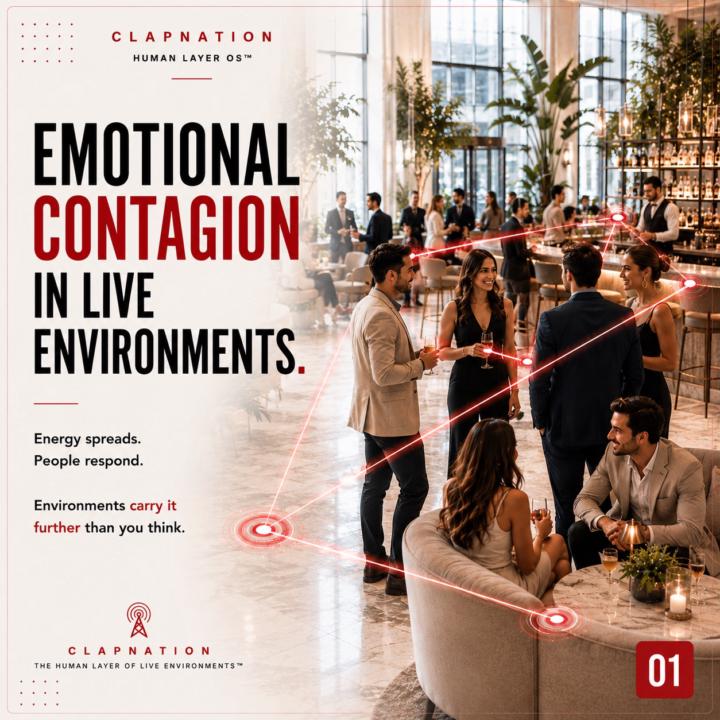
Emotional Contagion In Live Environments
Most people think crowds create energy. They don’t. Energy spreads person to person. One confident interaction. One calm team member. One emotionally aligned environment. That energy travels. Guests begin mirroring, • movement • emotion • pacing • social behaviour • confidence levels This is emotional contagion. And in live environments, it changes everything. The atmosphere of a space is rarely accidental. It is usually being transmitted. The best environments understand this. They don’t just manage operations. They manage emotional momentum.
0
0
May 19 •
How Energy Spreads Through Crowds
Crowd energy is rarely random. Humans constantly read, - movement - pace - emotion - urgency - confidence And then mirror what they see. That’s why hesitation spreads, calm spreads, pressure spreads, confidence spreads. One anxious group can shift the feeling of an entire environment. One confident interaction can stabilise a crowd. Energy moves behaviourally through spaces. Fast. This is why environments suddenly feel electric, tense, social, chaotic, or alive. Even before anything major happens. Because people copy visible behaviour. High-level environments understand this. They don’t force energy. They guide it. Through, human presence, movement, environmental flow, visible calm, controlled pressure. Because once crowd energy shifts positively, the environment starts helping itself.
0
0

1-30 of 31
powered by
skool.com/clapnation-6241
A community for people operating in live environments, and those ready to see how they actually work, perform, and feel in real time.”
Suggested communities
Powered by