Dec '25 • Kratom Science
Why Medicinal Plants Should Never Be Illegal
At some point, we have to step back and ask a very basic question: how did we end up criminalizing medicinal plants?
Plants predate governments, laws, and pharmaceutical companies by hundreds of millions of years. Long before modern medicine existed, human beings relied on the natural world for healing. Leaves, roots, bark, flowers, and resins were our first pharmacy. That fact has not changed just because we invented pills.
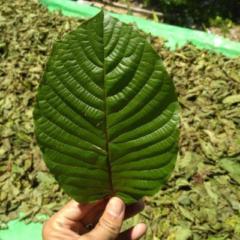
Medicinal plants have been a vital part of human health and wellness for centuries.
In my view, medicinal plants in their natural form should never be scheduled or illegal. Cannabis. Coca. Kratom. Poppy. These are not inventions. They are part of the natural world, and they have been used responsibly by cultures across the globe for thousands of years. When governments outlaw whole plants, they are not protecting public health. They keep repeating the same mistake.
Plants Are Not the Problem
The Importance of Medicinal Plants in Modern Health
History makes this painfully clear.
Whenever a plant has been banned, the ban has not eliminated use. It has only pushed people toward more dangerous alternatives. Alcohol prohibition did not stop drinking. It created organized crime and poisoned products. The war on drugs did not end addiction. It escalated overdoses, incarceration, and black-market innovation.
Addiction is a human condition, not a botanical one. You cannot legislate it away.
Plants, in their natural state, tend to be self-limiting. They contain complex profiles of compounds that work together, often creating natural ceilings on effect. Whole-plant use is typically slower, less concentrated, and more ritualized.
That matters.
Problems arise when plants are stripped down, concentrated, altered, or synthesized to maximize potency and profit. That is where risk increases. That is where regulation makes sense.
Regulation Should Focus on Processing, Not Nature
There is a massive difference between a whole plant and a drug manufactured from that plant.
Once people start isolating compounds, chemically modifying them, or turning them into high-potency products designed for abuse, then yes, laws and regulations belong there. Manufacturing standards. Labeling requirements. Age restrictions. Quality control. Transparency. All of that is reasonable.
What has never made sense is criminalizing the plant itself.
By banning whole plants, governments create a vacuum that is immediately filled by synthetics, adulterants, and underground chemistry. We have seen this pattern repeatedly. Each ban creates a more dangerous replacement. Each replacement is harder to control and easier to abuse. The body count rises, and the lesson goes unlearned.
Bans Do Not Stop Addiction
If bans worked, addiction would be gone by now.
Instead, we see the opposite. Prohibition increases harm by removing safer, traditional options and forcing people toward unknown, unregulated substances. It also discourages honest education. When something is illegal, discussion becomes polarized. Science gets drowned out by fear. People stop asking questions and start hiding behavior.
Education, transparency, and access to safer alternatives reduce harm. History supports this. Cultures that integrated plant medicines into daily life did not experience the kind of addiction crises we see today. Abuse tends to explode when substances are disconnected from tradition, community, and context.
Plants Have Always Been Here for Medicine
This is the part that should humble us.
Plants were medicine long before hospitals existed. Long before insurance codes. Long before regulatory agencies. Even many modern pharmaceuticals trace their origins directly back to plants. We did not invent healing. We refined it, sometimes wisely, sometimes arrogantly.
Declaring that a naturally occurring plant is too dangerous for adults to access, while simultaneously approving synthetic versions or isolated derivatives, is not science. It is policy driven by economics and fear.
A Forward-Thinking, Old-World Truth
We will get there eventually. Society always does, just slower than it should.
At some point, we will recognize that scheduling whole plants was a fundamental error. We will understand that protecting people means regulating how substances are processed and sold, not pretending nature itself is criminal. We will accept that addiction cannot be solved by bans, and that removing safer, traditional options only makes things worse.
The truth is uncomfortable and straightforward: plants have always been here, and they are not going anywhere. The question is whether we choose wisdom, education, and regulation grounded in reality, or whether we keep repeating the same failed strategies and expecting different results.
Conclusion
Plant medicine is not new. What is new is our refusal to respect it.
4
3 comments
Why Medicinal Plants Should Never Be Illegal
powered by
skool.com/christophers-kratom-education-8543
Christopher’s Kratom Education: clear, science-based kratom education, beginner walk-throughs, brewing tips, safety, policy, and community together.
Suggested communities
Powered by