Activity
Mon
Wed
Fri
Sun
Jul
Aug
Sep
Oct
Nov
Dec
Jan
Feb
Mar
Apr
May
Jun
What is this?
Less
More
Owned by Christopher
Christopher’s Kratom Education: clear, science-based kratom education, beginner walk-throughs, brewing tips, safety, policy, and community together.
Memberships
Video Like a Rockstar
32 members • Free
The Storytelling Path
112 members • Free
SB
Southeast Beautiful
30 members • Free
Accountable: ADHD Founder OS
155 members • Free
Finally Selling Coaching
95 members • Free
Skoolers
174.8k members • Free
Kratom Real Talk
921 members • Free
ChatGPT Users
12.7k members • Free
AI Shortcuts to Work Smarter
138 members • Free
115 contributions to Christopher's Kratom Education

6d •
Christopher’s Weekly Kratom Tea Talks-June 11 2026-Community Support Group-Episode 44
Quick recap The group discussed various personal and health-related topics during their conversation. Christopher shared updates about his wife's back issues and family health concerns, including his mother's experience with dementia. The participants talked about the current extreme heat and humidity in their areas, with temperatures reaching 93 degrees and heat indices around 101-103. Venus and Twinkle discussed their ongoing health challenges, including Twinkle's recent illness and upcoming medical appointments to address her chronic conditions and workers' compensation issues. The conversation also covered Christopher's efforts to educate local politicians and community members about kratom, including distributing samples and providing information about its benefits for pain management. The group discussed the importance of transparency and honest communication when sharing information about kratom with others. They also talked about the challenges of finding Dr. Oz's original positive segment about kratom on YouTube, noting that much of the content has been removed due to Dr. Oz's changing stance on the topic. Summary Weather and Medical Discussion Group The participants discussed weather conditions, with Christopher mentioning 93-degree temperatures and a heat index of 101-102, while Venus noted the humidity and upcoming cooler nighttime temperatures. Twinkle joined the conversation to discuss her participation in Dr. Liza and Cam English's X-Base medical discussion group, where she listens rather than actively participates. Twinkle expressed her preference for diverse information sources and appreciates the collaborative nature of their group where members can have different perspectives. Continuous Learning and Growth Discussion Christopher and Twinkle discussed the importance of continuous learning and growth, with both expressing their desire to understand different perspectives and approaches. Christopher shared his hands-on learning style from childhood and emphasized that true learning never ends. The conversation concluded with Christopher briefly mentioning his wife Holly's recent back issues and medical treatments.

14d •
Christopher’s Weekly Kratom Tea Talks-June 4 2026-Community Support Group-Episode 43
Quick recap Christopher, Venus, and Paul discussed recent legislative developments around kratom regulation, particularly focusing on FDA actions and state-level bans. Christopher shared his experience attending multiple advocacy meetings in Washington D.C., including congressional hearings where he testified about the differences between natural kratom and synthetic 7-OH products. The group debated the safety and regulation of 7-OH metabolites, with Christopher expressing concerns about unregulated synthetic products being marketed as kratom alternatives. They discussed the challenges of educating policymakers and the public about kratom's benefits versus risks, with Venus sharing her positive meeting with Good Neighbors about potential assistance for home repairs. The conversation also covered industry quality standards, with Christopher explaining his company's strict testing protocols and GMP compliance, while expressing frustration about competitors selling untested products with misleading claims. Summary Meeting Registration and Animal Medication Christopher and Venus discussed the registration status for an upcoming meeting, with 65 people registered. They had a casual conversation about a koala branding element from 2016 advocacy work, noting that koalas eat eucalyptus, not kratom. The discussion then shifted to animal self-medication behavior, with Christopher explaining the concept of zoo pharmacognosy and comparing it to human use of plants for medicinal purposes. Kratom Legislation and Community Updates Venus reported a successful meeting with Good Neighbors regarding potential assistance for basement and roof repairs, including information about a local roof contest. Christopher and Venus discussed ongoing concerns about kratom legislation in Philadelphia, with Christopher noting uncertainty about the final language of the bill and its potential impact on natural kratom. They also discussed the challenges of constant education needed for new community members about kratom, with Christopher sharing his experience at a local substance abuse prevention meeting where National Guard representatives demonstrated good knowledge of kratom issues.
1 like • 13d
Paul is great with the legislative side of things too.
23d •
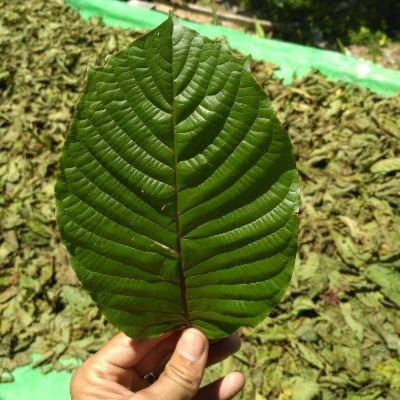
Some recent kratom images from Indonesia
I just wanted to start a thread of pictures and images from our farmers and friends in Indonesia! These pictures are from 2016-2026

1 like • 22d
@Venus Usher Some years are worse than others for flooding.
0 likes • 22d
@Jenifer Martin That was a few years ago, but now it is mesh 30, which is a tea cut. At some point, yes.
27d •
Christopher’s Weekly Kratom Tea Talks-May 21 2026-Community Support Group-Episode 42
Quick recap This meeting was a discussion about recent kratom legislation and advocacy efforts, primarily focusing on Philadelphia's proposed bills to ban smoke shops and intoxicating substances, and Tennessee's recent ban on kratom. Christopher shared details about his attendance at a hearing in Philadelphia, where he observed city council members discussing two separate bills targeting illegal smoke shops and synthetic substances, noting that the legislation appeared to be targeting convenience stores registered as smoke shops that were later selling illegal drugs. Kelly discussed her recent experience testifying against kratom legislation in Tennessee, expressing frustration that despite presenting evidence about natural kratom's benefits, the state legislature still passed the ban, leading her to become disillusioned with politics and consider moving out of the state. The group discussed how synthetic and adulterated kratom products have created problems for natural kratom users, with Christopher explaining that the majority of synthetic products now dominate smoke shop shelves, making it difficult for legitimate users to access natural kratom. Venus joined the conversation briefly but had technical difficulties with audio, and the group also discussed the importance of proper dosage and usage of natural kratom products. Summary Kratom Regulation Bill Discussion Christopher discussed his experience attending a busy day of meetings in Philadelphia, where two bills were being considered: one targeting illegal smoke shops and another banning intoxicating substances. He noted that while there were concerns about the bills potentially affecting legal kratom if not properly amended, the primary focus appeared to be on addressing illegal smoke shops that were registered as convenience stores but later transitioned to selling drugs. Venus and Christopher also briefly discussed the lack of negative public comments during the hearing and the need for amendments to ensure natural kratom is not inadvertently banned.

2 likes • 26d
We are still waitig for a interpretation
May 15 •
Christopher’s Weekly Kratom Tea Talks-May 14 2026-Community Support Group-Episode 41
Quick recap Christopher and Venus discussed recent regulatory developments affecting kratom sales across multiple states. They focused primarily on Ohio's new restrictions effective May 19th, which ban most kratom products except for natural kratom in its vegetative form (dried leaf or powder) that cannot be marketed as a food, drug, or dietary supplement. Christopher explained that this effectively requires kratom to be sold in plain, unlabeled packages similar to how it was sold 10-15 years ago, prohibiting capsules, extracts, liquid forms, gummies, and any products with dosage instructions. They also briefly touched on Kansas's scheduling of 7-OH compounds as Schedule 1 substances and Tennessee's recent ban, while noting that Delaware legislation remains under review. The conversation included personal anecdotes about Christopher's culinary background and his service dog Eli's health management with kratom. Summary Kratom Ban Challenges Update Christopher discussed the ongoing challenges with kratom bans across different states, noting the loss of Louisiana and Connecticut, and highlighting the restrictive nature of Utah's regulations. He mentioned upcoming bans in Kansas and Tennessee starting July 1st. The conversation served as a preliminary update while waiting for other participants to join the meeting. Ohio Kratom Regulation Updates Christopher and Venus discussed recent developments regarding kratom regulations in Ohio, with Christopher reviewing official documents about new restrictions effective on the 19th. The discussion covered how only natural kratom in its vegetative form (dried leaf or powder) would remain legal for sale, while processed forms would be classified as Schedule 1. Venus confirmed she had submitted her registration for the relevant requirements. Ohio Kratom Regulations Update Christopher discussed the new regulations for kratom in Ohio, explaining that natural kratom in its vegetative form (dried leaf or powder) is legal, but cannot be marketed as a food, drug, or dietary supplement. He noted that products like capsules, gummies, and liquid forms are prohibited, and that kratom must be sold without instructions for human consumption. Christopher plans to create a post summarizing these regulations to help clarify the new requirements for businesses and consumers in Ohio.
1-10 of 115
@christopher-deaney-3997
Since discovering kratom in 2015, it's transformed my daily life for the better. I'm a passionate advocate for the kratom community! Kratom.vip
Active 3h ago
Joined Oct 9, 2025
ISTJ
South Jersey