
Write something
Pinned
Apr 10 •
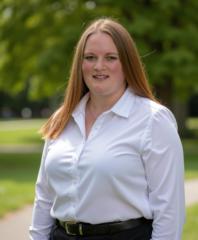
Hi everyone—I'm Sarah
I’m a leader, consultant, and someone who has spent a lot of years in the real, messy work of building things, fixing things, and sometimes just holding things together when everything feels like it’s falling apart. On paper, my background is in business, HR, and leadership. I hold degrees in Human Resources, Business Leadership, and an MBA—but the truth is, most of what I bring to the table wasn’t learned in a classroom. It came from navigating some incredibly difficult seasons both personally and professionally, where there wasn’t a roadmap and the stakes were very real. For over a decade, I’ve lived in a constant state of problem-solving and resilience—balancing leadership roles, building businesses, and caring for my daughter through serious medical and mental health challenges. There were seasons of hospitals, unknowns, and decisions no parent is ever really prepared to make. At the same time, I was still showing up professionally, leading teams, managing operations, and being the steady one others relied on. That experience changes you. It strips away the fluff and teaches you how to prioritize, how to make decisions under pressure, and how to lead with both strength and realism. It’s why my approach today is very grounded—focused on what actually works, not what looks good on paper. Professionally, I’ve built Phoenix Consulting to support organizations that are navigating growth, transition, or challenges that feel overwhelming. I specialize in stepping into situations where things are unclear, systems are strained, or leadership needs to reset and move forward with intention. Most recently, in my role with Homer Senior Citizens, I stepped into an organization facing significant operational and financial challenges. This included rebuilding financial structures, identifying gaps in processes, addressing compliance concerns, and working through incomplete or unclear historical records. It hasn’t been easy work—and it’s not quick work. But it’s important work.
Pinned
Apr 4 •
Welcome to Business Leadership Trenches
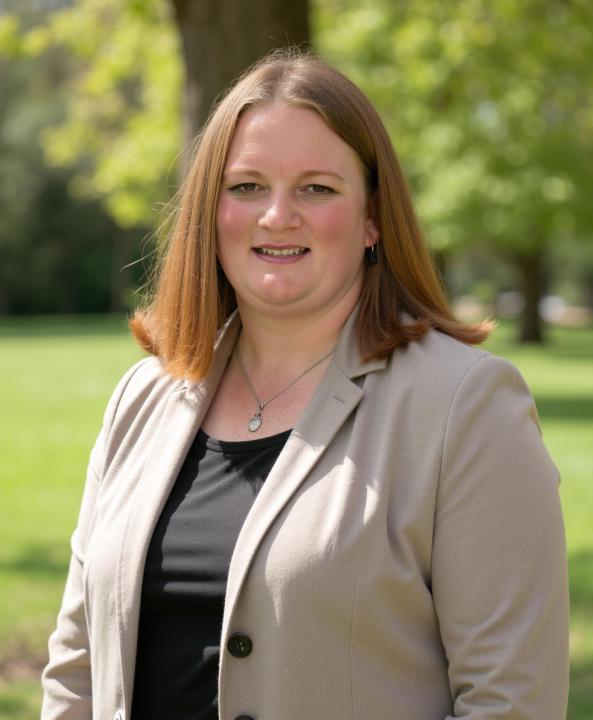
If you’ve ever thought…“Am I the only one dealing with this?” You’re not. This space was built for leaders who are doing the real work—managing people, navigating pressure, making hard decisions, and figuring things out in real time. Because leadership isn’t hard in theory. It's hard when: - you’re short-staffed - conversations get uncomfortable - expectations aren’t clear - and the decisions don’t have obvious answers That’s what this community is for. Inside Business Leadership Trenches, you’ll find: - Real-world scenarios (not textbook examples) - Practical tools you can actually use - Honest conversations about leadership - A space where you don’t have to pretend you have it all figured out Let’s kick this off 👇 Introduce yourself: - What’s your role? - What kind of team or organization are you leading? - What’s one leadership challenge you’re dealing with right now? I’ll go first: I’m Sarah, and I work in leadership, operations, and organizational strategy—often in environments where things are complex, fast-moving, and not always clear-cut. I created this space because too many leaders are navigating tough situations without real support or practical guidance. You don’t have to have perfect answers here. You just have to be willing to engage. Let’s get to work.

🔥
9d •
What's something you've changed your opinion on after gaining more experience?
The power of consistently blogging. The ability to share value and embed links to drive traffic is incredible.
0
0
🔥
13d •
Being easy to work with is an underrated skill. People remember professionalism, follow-through, and a positive attitude.
Agree or Disagree and why
0
0
1-30 of 64
powered by

skool.com/business-leadership-trenches-8973
Real-world business leadership. Practical tools, tough conversations, and honest support for leaders in the trenches.
Suggested communities
Powered by