Start Here
Start here to get the most from the Bear Process Safety Training Hub.
0%
Introduction to PHA
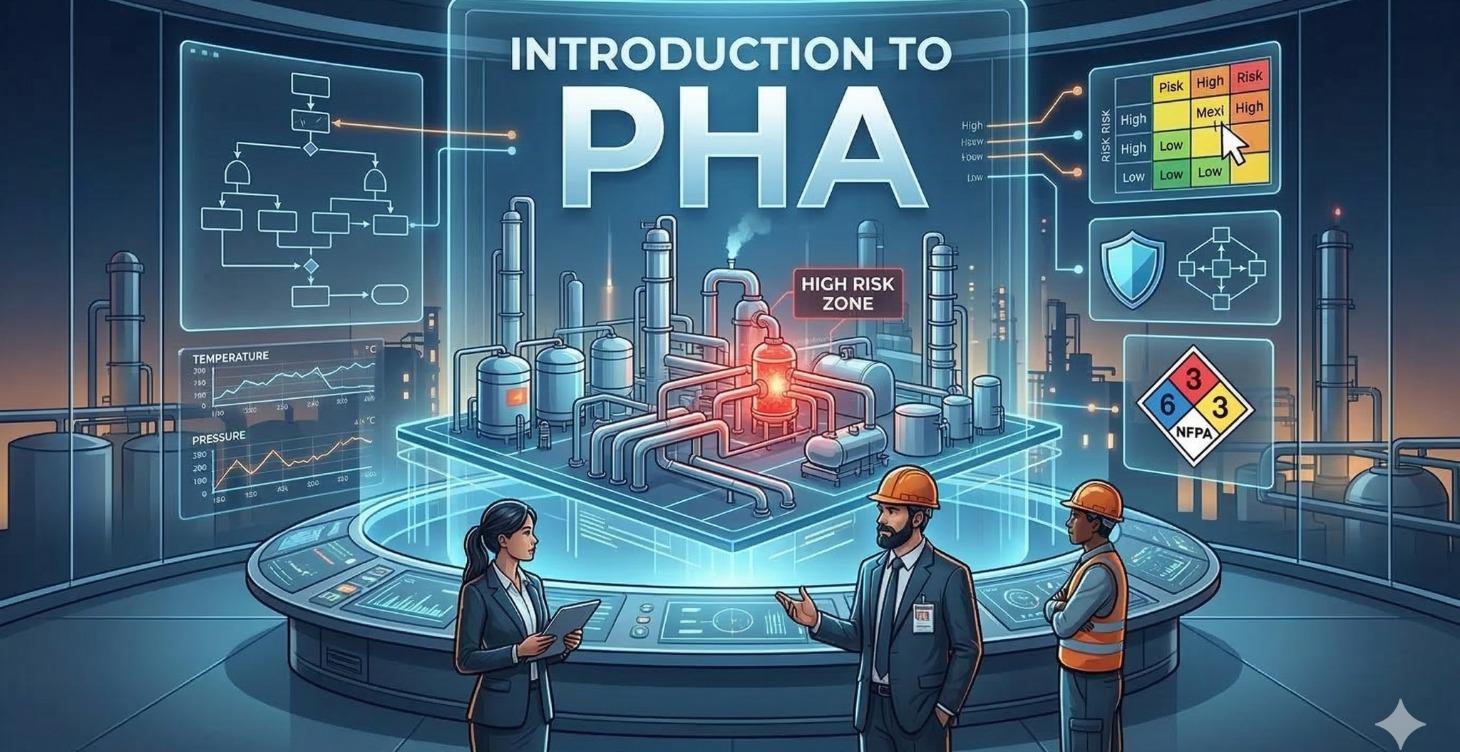
Learn the essentials of Process Hazard Analysis (PHA) in this four‑part video series. We cover U.S. federal regulatory requirements, core PHA methodologies, practical risk assessment, and how to identify and document safeguards so your studies stand up to both real‑world risk and regulator scrutiny.
0%
Introduction to MOC
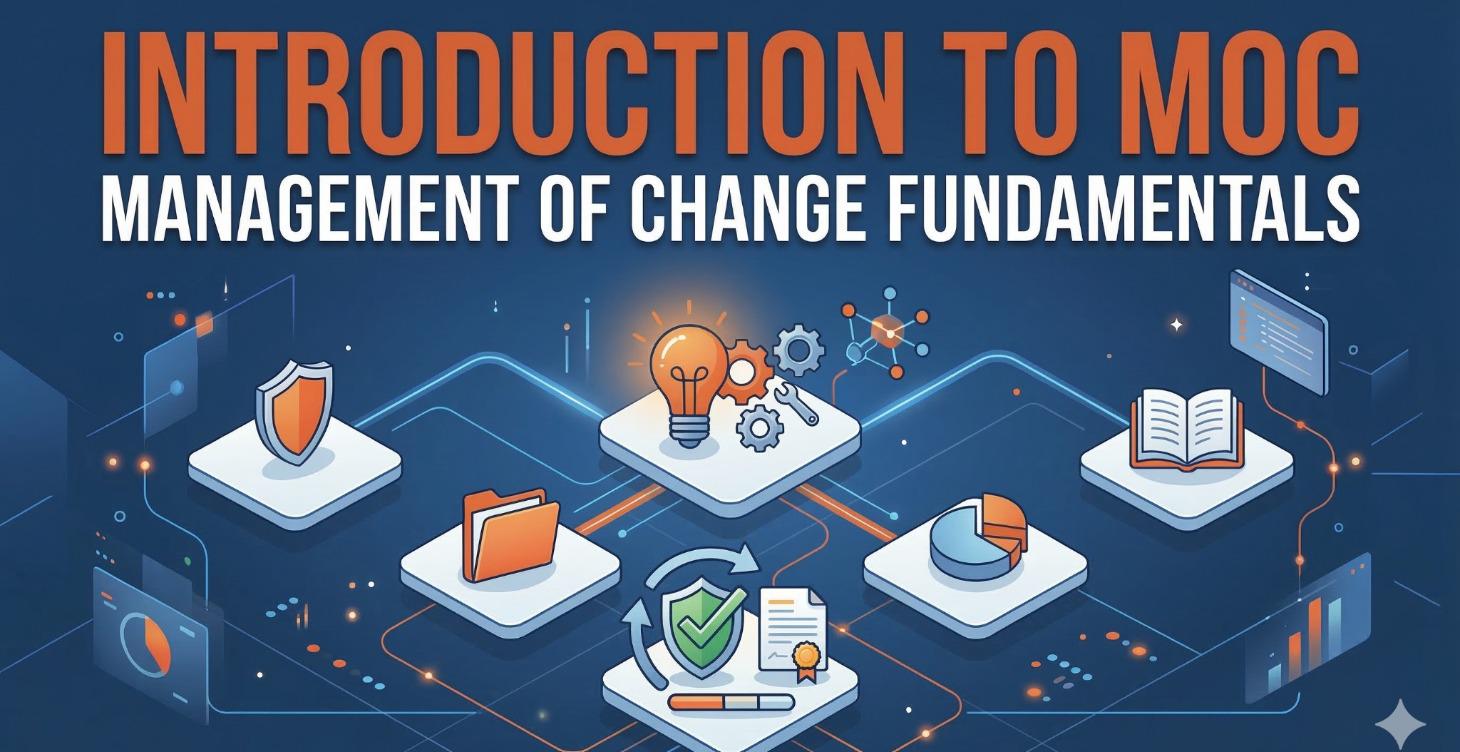
We cover regulatory and company MOC requirements, the full MOC lifecycle from initiation through closure, and key review gates so changes are controlled, documented, and ready for regulator and corporate scrutiny.
0%
Introduction to HAC
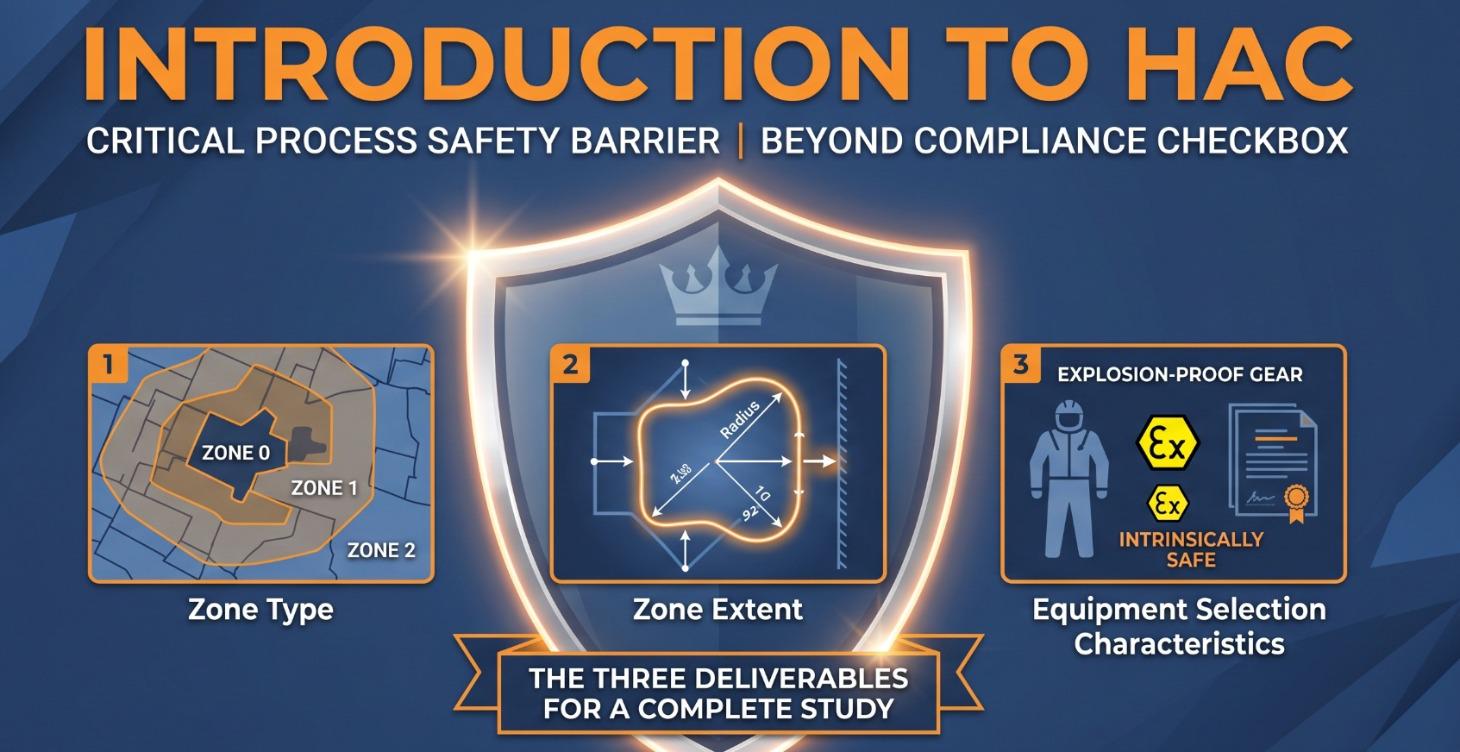
This module establishes HAC as a critical process safety barrier rather than a simple compliance checkbox. It introduces the three deliverables required for a complete study—Zone Type, Zone Extent, and Equipment Selection Characteristics—and outlines the governing global standards landscape.
0%
PHA: HAZOP Facilitator's Guide
This training provides a practical overview of the HAZOP methodology and the facilitator’s role in a PHA. You’ll learn the step‑by‑step flow of a PHA using HAZOP, common psychological risks when leading a study and how to mitigate them, and why diligent documentation is critical for defending the study to regulators and management.
0%

Unlock for $500
PHA Facilitator's Course
Become the go‑to PHA facilitator in your facility. This 11‑part practical course shows you exactly how to plan, lead, and document PHAs that satisfy OSHA/EPA expectations, withstand corporate audits, and actually reduce risk. Learn to run the room, manage personalities, and produce defensible, audit‑ready studies.
0%
Unlock for $500
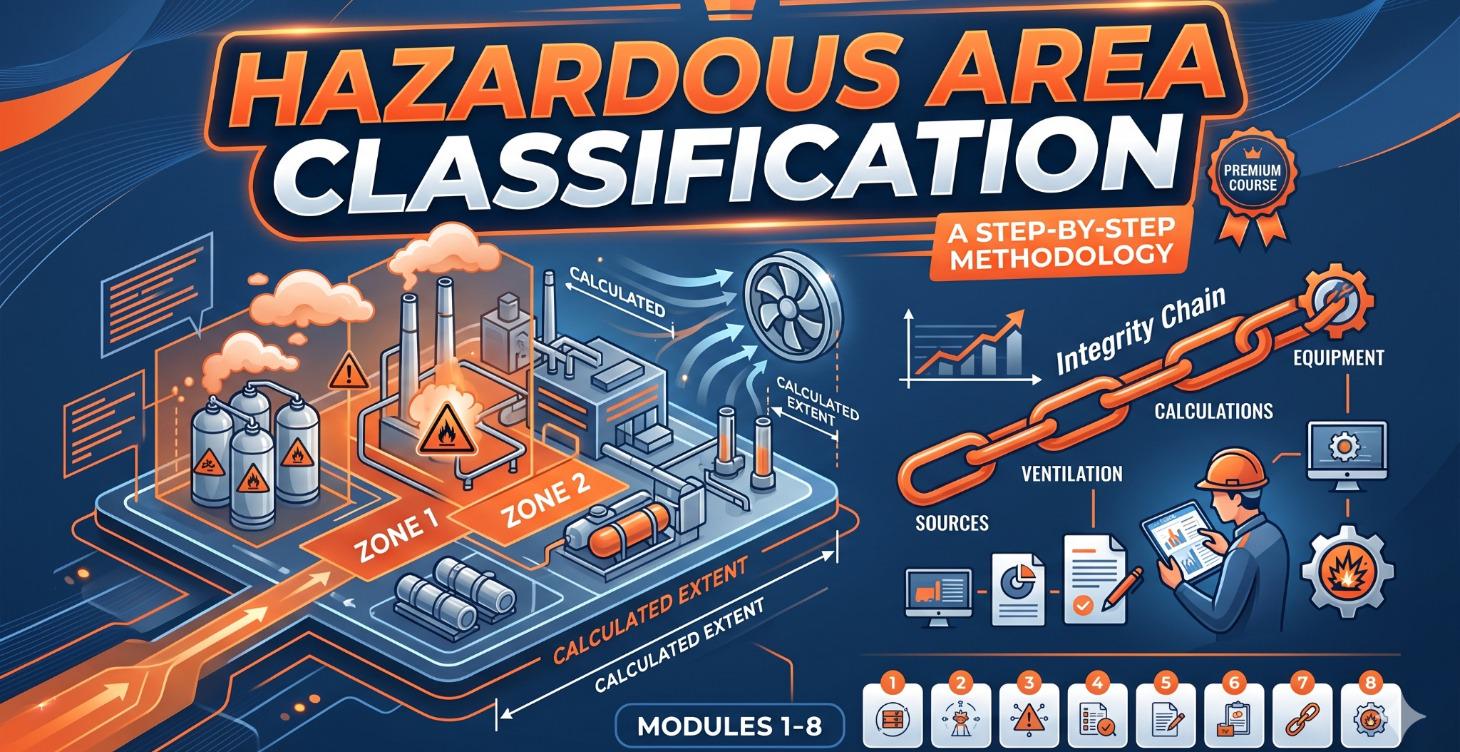
Hazardous Area Classification
This course provides engineers and safety professionals with a rigorous, step-by-step methodology for conducting Hazardous Area Classification studies. The program ensures that classifications are defensible and remain "living documents". By the end of the eight modules, participants will be able to manage the entire "Integrity Chain"—identifying sources, assessing ventilation, calculating hazard extents, and documenting the technical basis for classifications to ensure facility integrity.
0%
Unlock for $60
Cause Development Examples
In these trainings we go over the typical failures associated with the operation of the following systems: distillation columns, drums, exchangers, pumps, reactors, and storage tanks.
0%
1-8 of 8