
Write something

May '24 •
The Anatomy Behind Piriformis Syndrome (Pun Intended)
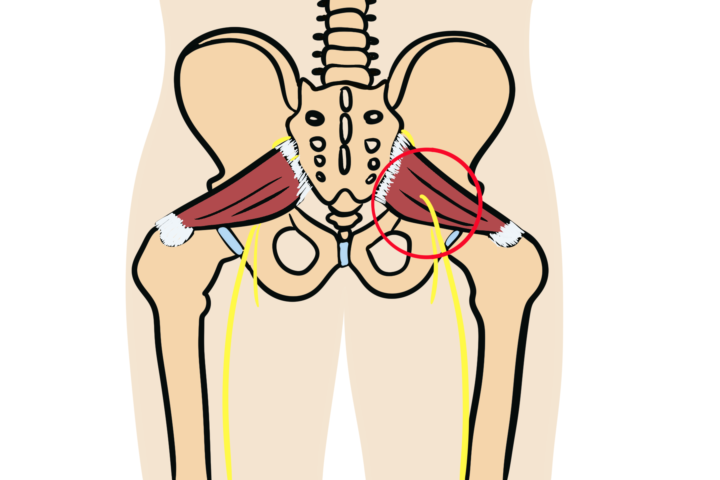
To really understand Piriformis Syndrome, it's helpful to take a closer look at the anatomy involved. At the heart of this condition are two key players: the piriformis muscle and the sciatic nerve. The piriformis muscle is a flat, pyramid-shaped muscle located deep in the buttocks, near the top of the hip joint. It runs diagonally from the base of the spine (the sacrum) to the top of the thigh bone (the greater trochanter). While small, this muscle plays a crucial role in outward rotation of the thigh and stabilizing the hip joint during walking. Now, here's where things can get a bit tricky. The sciatic nerve, the largest and longest nerve in the body, runs right underneath or sometimes even through the belly of the piriformis muscle. The sciatic nerve is formed from the nerve roots in the lower spine and travels down through the buttocks and into the back of the leg, supplying sensation and muscle control to the hamstrings, calves, and feet. In most people, the sciatic nerve passes harmlessly beneath the piriformis muscle. But in approximately 15-20% of the population, the sciatic nerve can actually pierce through the muscle belly itself, a condition known as "Piriformis Syndrome." This anatomical variation can make these individuals more susceptible to compression and irritation of the sciatic nerve by the piriformis muscle. Whether the sciatic nerve passes under or through the piriformis, any tightness, spasms, or abnormalities in this muscle can directly compress and irritate the nerve. This compression is what causes the hallmark symptoms of Piriformis Syndrome: buttock pain, hip pain, and radiating pain, numbness, or tingling down the back of the leg. In other words, A PAIN IN THE BUTT. Understanding this intricate anatomical relationship is key to recognizing the potential causes of Piriformis Syndrome and developing effective treatment strategies. Stay tuned for more posts exploring the various factors that can contribute to this condition and how you can help manage it.
0
0
May '24 •
What is Piriformis Syndrome?
Have you been experiencing pain in your buttocks, hip, or down your leg? If so, you might be dealing with Piriformis Syndrome. This condition occurs when the piriformis muscle, a small muscle located deep in the buttocks, becomes tight or spasms and compresses the sciatic nerve. For those new to this community, let me give you a quick overview. The piriformis muscle runs diagonally from the base of the spine to the top of the thigh bone. The sciatic nerve, the largest nerve in the body, passes right underneath or sometimes even through the piriformis muscle. When the piriformis muscle tightens or goes into spasm, it can irritate and put pressure on the sciatic nerve, leading to pain, numbness, and tingling down the back of the leg. Piriformis Syndrome often starts with an injury or overuse of the muscle through activities like running, cycling, or simply sitting for long periods. But it can also develop gradually over time due to muscle imbalances, poor posture, or anatomical variations where the sciatic nerve runs through the piriformis muscle. While the pain of Piriformis Syndrome is primarily felt in the buttocks, it can also radiate down the back of the thigh and calf, sometimes all the way into the foot. This nerve compression can make it difficult to walk, sit for extended periods, or engage in physical activities. Pain can be mild to severe. If any of these symptoms sound familiar, you're not alone. Piriformis Syndrome is a relatively common cause of sciatica and buttock pain. But don't worry, there are treatments available to help manage this condition. Stay tuned for more posts exploring the causes, diagnosis, and treatment options for Piriformis Syndrome.
0
0
1-2 of 2

skool.com/baby-got-backpain-7267
A comprehensive space for individuals affected by Piriformis Syndrome to connect, share experiences, and access valuable resources.
Powered by