
Write something

🔥
6d •
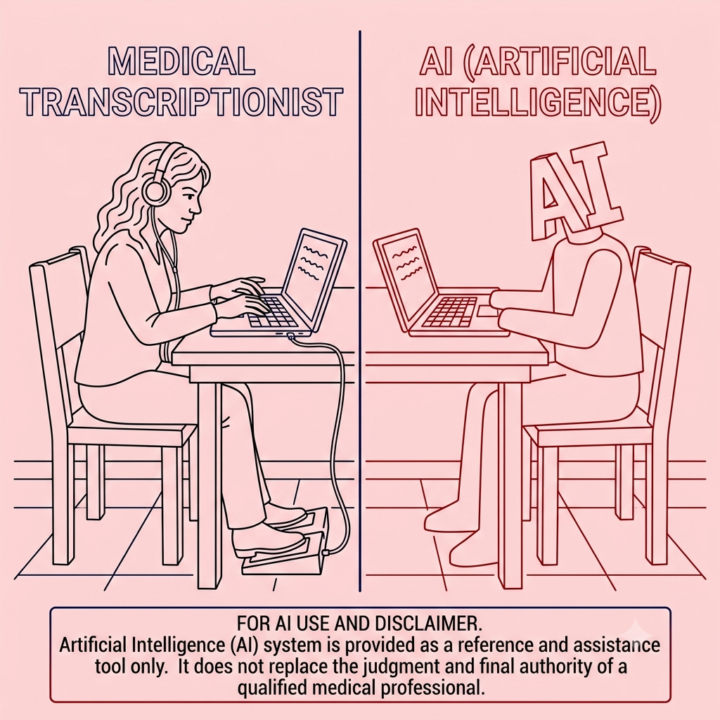
Can AI Be Trusted as Your Medical Transcriptionist
Before becoming a Health Educator, I spent 10 years as a medical transcriptionist. One rule was drilled into us from day one: accuracy matters, because a single word can change everything. "A patient with known cancer" OR "A patient with no cancer." Dictated quickly, those two phrases can sound almost identical — yet mean completely different things. That's why every report was carefully reviewed before it became part of a patient's medical record. I saw this firsthand recently. After a neurosurgeon consultation, my report arrived within hours — fast, but full of grammar mistakes and medical inaccuracies. Every AI platform comes with a disclaimer for a reason. AI is a real tool for healthcare navigation — fast, efficient, and useful. But it can misread context, confuse similar-sounding words, or get your diagnosis, lab results, or test results wrong. In practice, doctors are often left to review AI-generated notes, and many simply don't have time to do it thoroughly. 𝐇𝐞𝐚𝐥𝐭𝐡 𝐄𝐝𝐮𝐜𝐚𝐭𝐨𝐫'𝐬 𝐍𝐨𝐭𝐞: AI has real potential, but no substitute for a careful human eye exists yet. That's exactly why health literacy and patient education matter — understanding what's in your chart helps you catch what AI might miss. How Can I Help More? Reach out if I can help you more. Quick questions and topic ideas are always welcome. If you want a private conversation, DM Lynne Vella and your questions and answers will remain private if that is your preference. 💚 It's Safe to Ask Here.
🔥
3d •
Summer Stomach Bug - 18 States
*From time to time, Ask Lynne will focus on health news that's affecting a large population — either globally, in the USA, or in Canada* The CDC is investigating a surge of parasitic illness across 31 states this summer. Confirmed cases currently: 843 cases of cyclosporiasis acquired in the United States, reported across 31 states, with Michigan alone accounting for a huge share of that spike. 𝐂𝐲𝐜𝐥𝐨𝐬𝐩𝐨𝐫𝐢𝐚𝐬𝐢𝐬 𝐢𝐬𝐧'𝐭 𝐚 𝐧𝐞𝐰 𝐢𝐥𝐥𝐧𝐞𝐬𝐬 𝐠𝐥𝐨𝐛𝐚𝐥𝐥𝐲, but this year's case count is notably higher than usual for this time of year, which is why it's making headlines now. 𝐅𝐨𝐫 𝐦𝐨𝐬𝐭 𝐡𝐞𝐚𝐥𝐭𝐡𝐲 𝐚𝐝𝐮𝐥𝐭𝐬, 𝐭𝐡𝐢𝐬 𝐢𝐥𝐥𝐧𝐞𝐬𝐬 𝐢𝐬 𝐮𝐧𝐩𝐥𝐞𝐚𝐬𝐚𝐧𝐭 𝐛𝐮𝐭 𝐧𝐨𝐭 𝐝𝐚𝐧𝐠𝐞𝐫𝐨𝐮𝐬 - watery diarrhea sometimes described as "explosive" - cramping and nausea - fatigue and low-grade fever - loss of appetite 𝐓𝐡𝐞 𝐭𝐫𝐢𝐜𝐤𝐲 𝐩𝐚𝐫𝐭 𝐢𝐬𝐧'𝐭 𝐭𝐡𝐞 𝐬𝐲𝐦𝐩𝐭𝐨𝐦𝐬 — 𝐢𝐭'𝐬 𝐭𝐡𝐞 𝐝𝐢𝐚𝐠𝐧𝐨𝐬𝐢𝐬. 🟢 𝐘𝐨𝐮𝐫 𝐭𝐞𝐬𝐭 𝐫𝐞𝐬𝐮𝐥𝐭𝐬 𝐦𝐢𝐠𝐡𝐭 𝐜𝐨𝐦𝐞 𝐛𝐚𝐜𝐤 "𝐧𝐨𝐫𝐦𝐚𝐥." This is the part I really want people to understand, 𝐢𝐭'𝐬 𝐭𝐡𝐞 𝐤𝐢𝐧𝐝 𝐨𝐟 𝐠𝐚𝐩 𝐭𝐡𝐚𝐭 𝐥𝐞𝐚𝐯𝐞𝐬 𝐩𝐚𝐭𝐢𝐞𝐧𝐭𝐬 𝐜𝐨𝐧𝐟𝐮𝐬𝐞𝐝. Cyclospora isn't picked up by a standard stool culture. If your doctor orders routine lab results (blood work and stool tests) and Cyclospora isn't specifically part of the panel, it can slip right through — even if it's what's actually making you sick. ASK "𝐂𝐚𝐧 𝐲𝐨𝐮 𝐭𝐞𝐬𝐭 𝐬𝐩𝐞𝐜𝐢𝐟𝐢𝐜𝐚𝐥𝐥𝐲 𝐟𝐨𝐫 𝐂𝐲𝐜𝐥𝐨𝐬𝐩𝐨𝐫𝐚?" That one question is a small, but powerful piece of healthcare navigation. Spead is through food or water contaminated with it — not from person to person. Past outbreaks have been linked to - Fresh cilantro and basil - Spinach and mixed lettuce blends - Raspberries and other fresh berries. Geography offers some clue about where cases are showing up, but it's 𝐧𝐨𝐭 𝐚 𝐫𝐞𝐥𝐢𝐚𝐛𝐥𝐞 𝐬𝐡𝐢𝐞𝐥𝐝. The beginning of this spread has not been pinned down. See a doctor when: diarrhea lasts more than a few days — you have ongoing fatigue or loss of appetite — symptoms improve and return. 𝐓𝐡𝐞 𝐛𝐞𝐬𝐭 𝐞𝐯𝐞𝐫𝐲𝐝𝐚𝐲 𝐩𝐫𝐞𝐜𝐚𝐮𝐭𝐢𝐨𝐧 𝐢𝐬 𝐬𝐢𝐦𝐩𝐥𝐲 𝐰𝐚𝐬𝐡𝐢𝐧𝐠 𝐟𝐫𝐞𝐬𝐡 𝐩𝐫𝐨𝐝𝐮𝐜𝐞 𝐭𝐡𝐨𝐫𝐨𝐮𝐠𝐡𝐥𝐲. Most people recover on their own eventually, but treatment (a specific antibiotic) can shorten the illness considerably — which is exactly why getting the right test results matters.
🔥
11h •
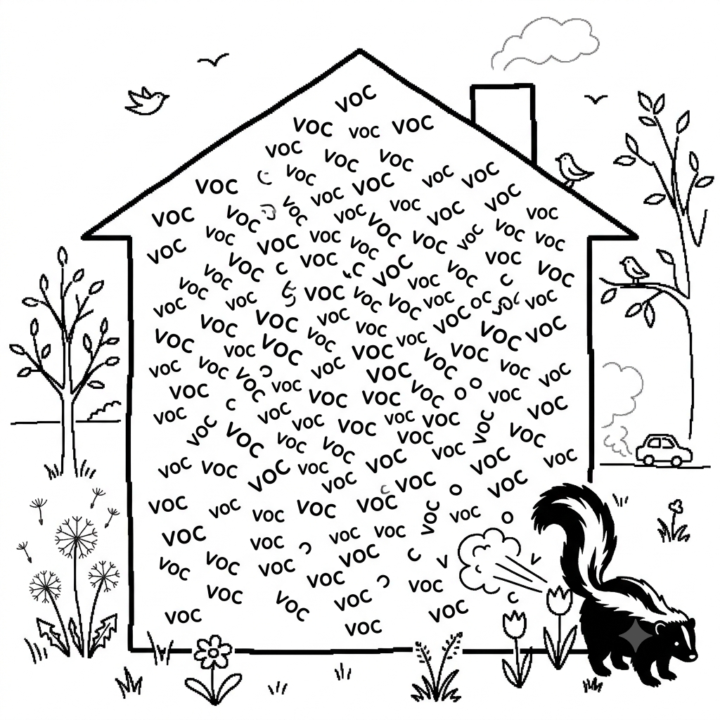
Tuesday Term: VOCs(Volatile Organic Compounds)
Volatile Organic Compounds are chemicals that turn into gas at room temperature. "Volatile" refers to the fact that they evaporate quickly, and "organic" means they contain carbon. You can't always see them, but you can often smell them. 𝐈𝐧 𝐲𝐨𝐮𝐫 𝐡𝐨𝐦𝐞 𝐭𝐡𝐞𝐲 𝐦𝐢𝐠𝐡𝐭 𝐛𝐞: Paints, varnishes, and glues - cleaning products and air fresheners - new furniture, carpet, and building materials - some personal care products (perfumes, nail polish) 𝐎𝐧𝐞𝐬 𝐭𝐡𝐚𝐭 𝐜𝐚𝐧 𝐝𝐫𝐢𝐟𝐭 𝐢𝐧 𝐟𝐫𝐨𝐦 𝐨𝐮𝐭𝐬𝐢𝐝𝐞: Vehicle exhaust – especially if you live near a busy road or have an attached garage Industrial emissions – from nearby factories or refineries Gasoline vapors – from gas stations, lawn equipment, or fueling up your car Wildfire smoke – carries VOCs along with particulate matter Dry cleaning fumes – if you live near a dry cleaner (perchloroethylene is a common one) Pesticide/herbicide spraying – from nearby lawns or agricultural areas Fresh asphalt or road paving – releases VOCs as it cures Skunk spray! These can enter through open windows, doors, or even small gaps and cracks in the building envelope. Using exhaust fans, keeping windows closed during high-traffic times or spraying nearby, and using a good air purifier (one rated for VOCs, like activated carbon) can help reduce how much gets in. 𝐀𝐫𝐞 𝐕𝐎𝐂𝐬 𝐝𝐚𝐧𝐠𝐞𝐫𝐨𝐮𝐬: Short-term exposure can cause headaches, dizziness, eye/nose/throat irritation, and nausea. Long-term or high-level exposure has been linked to liver, kidney, and central nervous system effects, and some VOCs are considered substances that may increase cancer risk. E.g., benzene in tobacco smoke, vehicle exhaust, and gasoline fumes, and occasionally found in certain consumer aerosol sprays. 𝐑𝐞𝐝𝐮𝐜𝐞 𝐞𝐱𝐩𝐨𝐬𝐮𝐫𝐞 𝐛𝐲: Open windows when using strong-smelling products Store chemicals in a garage or shed, not inside the house Choose "low-VOC" or "no-VOC" labeled paints and products when possible Close windows when outside VOCs are creeping in Environmentally friendly products are becoming more widely available and are a great way to keep VOCs out of your house. For an individual with asthma or COPD, VOCs can be quite dangerous.
🔥
May 17 •
SELF ADVOCACY WITH YOUR PCP
Does your appointment go the way YOU want it to? Are all of your questions answered when you leave? Did you understand everything that was discussed? Advocating for yourself in any situation means SPEAKING UP! This is not always an easy thing to do when sitting across from your PCP. You have a right to take an active, informed role in your healthcare plan and decisions — that's the heart of patient education and health literacy. Since COVID, in Ontario, more health care visits take place online, and sometimes your conversation with your PCP is conducted over the telephone. This is not all bad, but it does make advocating for yourself harder. 1. BE PREPARED If you have an acute illness (e.g., flu, cold, new onset pain), make a note of all of your SYMPTOMS. You can do this the old-fashioned way and carry a list with you into the appointment, or use the notes app on your phone. If you bring out your list immediately, your PCP will see that you have come prepared. Whether your appointment is about a new diagnosis or a chronic one, the next thing to list is QUESTIONS. Often we think of questions before our appointment, but how often do we remember them all? A prepared list, opened or brought out right away, lets your PCP know you have specific things you want to discuss. 2. ADDRESS THE DYNAMIC (The 'Superhuman' Bias) As patients, we often carry an "Authority Bias." We trust medically trained persons automatically because of their credentials. Sometimes, we believe doctors and other providers are infallible and do not make mistakes. In extreme situations, patients deify their PCP, making them into a "larger than life" superhuman. All three of these possibilities affect the dynamic during your visit — and understanding this dynamic is a core part of healthcare navigation. 3. THE "ADVOCACY" PLAYBOOK (PRACTICAL PHRASES) SPEAK 1ST! "Hi, I am here today to see you about my ____. Before I leave, I want to make sure that we have covered my questions and concerns."

🔥
1d •
Your Environment & Your Health (This Week's Theme)
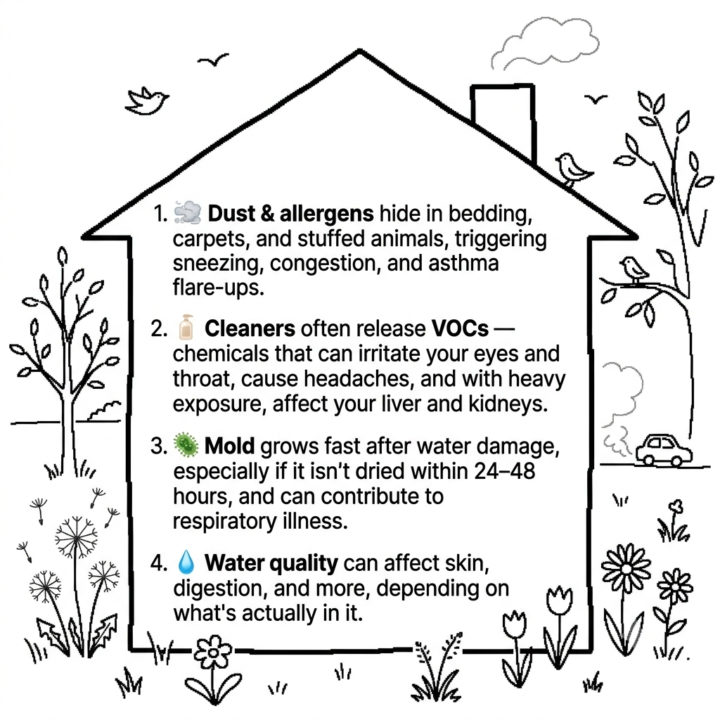
Your home affects your health more than most people realize — the air you breathe, the products you use, even your water. 🌫️ Dust & allergens hide in bedding, carpets, and stuffed animals, triggering sneezing, congestion, and asthma flare-ups. Also, the allergens outside that find their way inside! 🧴 Cleaners often release VOCs — chemicals that can irritate your eyes and throat, cause headaches, and with heavy exposure, affect your liver and kidneys. 🦠 Mold grows fast after water damage, especially if it isn't dried within 24–48 hours, and can contribute to respiratory illness. 💧 Water quality can affect skin, digestion, and more, depending on what's actually in it. Indoor air can be more polluted than outdoor air — something most people never think to question when they're not feeling their best. Understanding your surroundings is its own kind of health literacy. Help with the summer heat in your environment - "Hydration Habits - That Sticky Summer heat can drain your energy, but small habit stacks can keep you cool and energized. Try this: "After I pour my morning coffee, I’ll drink 8 oz of water." This simple ritual ensures hydration starts your day right, while the caffeine ritual keeps it effortless. Want to level up? Add a few fresh mint leaves or a squeeze of lemon to your water for a refreshing, uplifting boost. Your environment shapes your habits, stack them wisely to thrive all season long!" ... Kimberly Armatys, My Healthy Wellness Coach, LLC (www.myhealthywellnesscoach.com)✨ Skool My Amazing Life Circle. Source: U.S. Environmental Protection Agency (EPA) 𝐇𝐨𝐰 𝐂𝐚𝐧 𝐈 𝐇𝐞𝐥𝐩 𝐌𝐨𝐫𝐞? - Reach out if I can help you more. Quick questions and topic ideas are always welcome. If you want a private conversation, DM Lynne Vella and your questions and answers will remain private if that is your preference. 💚 It's Safe to Ask Here. 💬 Comment Below: Has anything in your home environment ever affected your health in a way you didn't expect?
1-21 of 21
powered by
skool.com/ask-lynne-onca-health-adv-1120
Ask Lynne: plain-language help understanding your diagnosis, blood work & lab results. Health education to navigate healthcare with confidence.🩺
Suggested communities
Powered by