
Write something
Pinned

Nov '25 •
Private Group Classes are Coming Soon
We’re excited to share that Canine Clarity is getting ready to open our doors to families very soon. Offering Private Group Classes held within Sal's Very home. Located in Pickering, offering a calm, personal learning environment designed for only three families per class. This allows every dog to learn without pressure and every family to feel supported, heard, and guided. Although Canine Clarity is new, our certified behaviorist, Sal Malandrino brings years of hands-on experience and 11 advanced certifications, including Canine Neurobiology. Fear-Free, Man Tracking, Bed Bug Detection, Drug Detection and Explosive detection and many more. These classes are built to help families understand their dog’s emotional world, build confidence, and create lasting patterns of calm learning.
1
0

Nov '25 •
Separation Anxiety: What Your Dog’s Nervous System Is Trying To Tell You
When a dog struggles with being left alone, it is not stubbornness or “bad behavior.” It is a nervous system that feels unsafe without its person. Separation anxiety is the brain and body going into a high alert state, then getting stuck there. The good news is that the same brain that learned to panic can learn to feel safe again. That is where understanding canine neurobiology and Counter-Conditioning through New Associations becomes so powerful. The Science Behind The Behavior Let’s walk through what happens inside your dog in simple, science-based steps. Arousal: You pick up your keys, put on your shoes, or walk toward the door. Your dog’s arousal rises. Their body starts scanning for “safe or unsafe.” Amygdala – The Alarm System The amygdala is the emotional smoke alarm of the brain. When your dog thinks, “Being alone feels scary,” the amygdala rings the alarm. It sends signals that say, “We are not safe, prepare to react.” Neural Pathways – The Habits of the Brain Over time, the brain builds neural pathways that connect “person leaving” to “danger.” The more this pattern repeats, the faster and stronger those pathways fire. Eventually, your dog does not even “think” about it. Their nervous system reacts automatically. Hippocampus – Memories and Context The hippocampus stores memories and context. If your dog has a history of being left alone and feeling panicked, the hippocampus reminds the brain, “Last time this happened, it felt terrible.” This memory makes the amygdala’s alarm even louder. Hypothalamus – Chemical Release The hypothalamus hears the alarm and tells the body to gear up. It helps release stress chemicals like adrenaline and cortisol. Heart rate rises, muscles tense, breathing changes. Your dog’s body prepares for survival, not for calm thinking. Prefrontal Cortex – The “Thinking Brain” Goes OfflineThe prefrontal cortex is the part of the brain that makes good decisions, solves problems, and self-regulates. When stress is high, this “thinking brain” goes quiet. Your dog is no longer choosing behaviors calmly. They are reacting from panic biology, not misbehavior.

Nov '25 •
How Emotion and Chemistry Shape Your Dog’s Behavior | Leash Reactivity
1. Arousal The dog sees another dog and arousal rises. The body switches from calm observation to heightened alertness and faster reactions. 2. Neural Pathways Signals travel from the senses through neural pathways to the brain, carrying information about what the dog sees and how close it is. These pathways determine how quickly the emotional centers activate. 3. Amygdala The amygdala interprets the situation. If past experiences, uncertainty, or frustration are stored in memory, the amygdala labels the other dog as something to react to rather than something safe. 4. Hippocampus The hippocampus pulls emotional memories. If the dog has rehearsed barking or pulling in the past, the brain remembers that pattern and prepares the same response. 5. Hypothalamus The hypothalamus sends instructions to release chemicals into the body. If the situation feels threatening or overstimulating, it signals for stress-based hormones. 6. Sympathetic Nervous System This system activates and prepares the dog for action. Muscles tighten, breathing increases, and the dog becomes physically ready to bark, lunge, or pull. 7. Prefrontal Cortex This is the problem-solving part of the brain. During reactivity, it shuts down because the dog is no longer thinking, only reacting. Listening and learning are no longer available. The Chemical Release Behind the Behavior When the dog feels unsafe or overwhelmed • Adrenaline surges• Cortisol rises• The body moves into readiness• Reactivity becomes the output When calm associations are built over time • Oxytocin increases• The nervous system softens• Focus returns• Calm behavior becomes possible Why This Matters for Families The barking and lunging are not the root issue. They are the outward expression of what the nervous system is experiencing inside. When we lower arousal, build new emotional associations, and help the brain feel safe, the chemicals change and so does the behavior.
1
0
Nov '25 •
Handler Focus
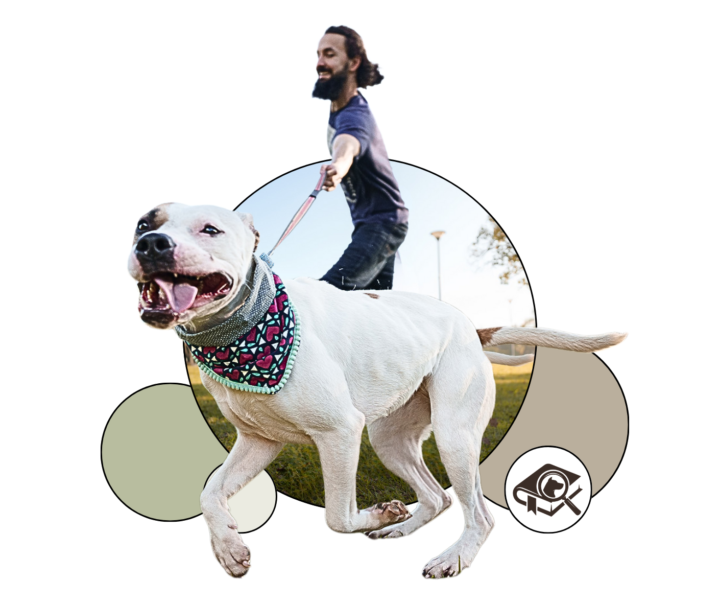
Sal is working with Sarah and her dog Ellie on off leash recall, helping Sarah learn the cues that keep Ellie attentive, responsive, and connected in open space. Recall teaches Ellie’s nervous system how to shift from environmental scanning to handler awareness.
1
0

Nov '25 •
Controlled Activation
Sal is working with Milo on controlled activation, helping him shift from calm obedience into high energy and then back into focus without losing clarity. This type of work teaches Milo’s nervous system how to rise and settle on command, allowing him to stay connected to Sal even when excitement intensifies. Through heel work, activation cues, and a clean release to the ball, Sal is shaping how Milo interprets arousal, direction, and pressure.
0
0

1-15 of 15
powered by
skool.com/ask-a-dog-trainer-5396
A safe, supportive space for families to ask questions, share experiences, and understand their dogs on a deeper level.
Suggested communities
Powered by