
Write something

Aug '24 •
Scraggly to JUICY in 1 Sip a Week
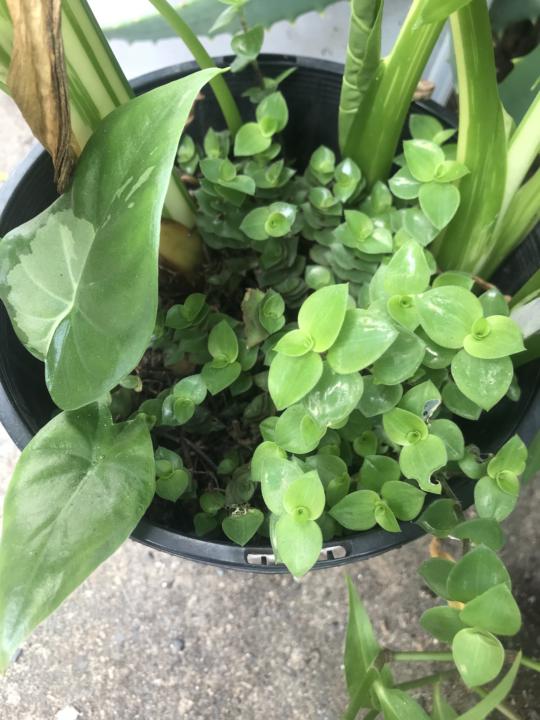
We got this section of plants and only by having sips of plant nutrients these bubbas had the chance to become the sauciest version of themselves. How often do you fertilise?
1
0
Aug '24 •
Hungry Succulents are Better Succulents
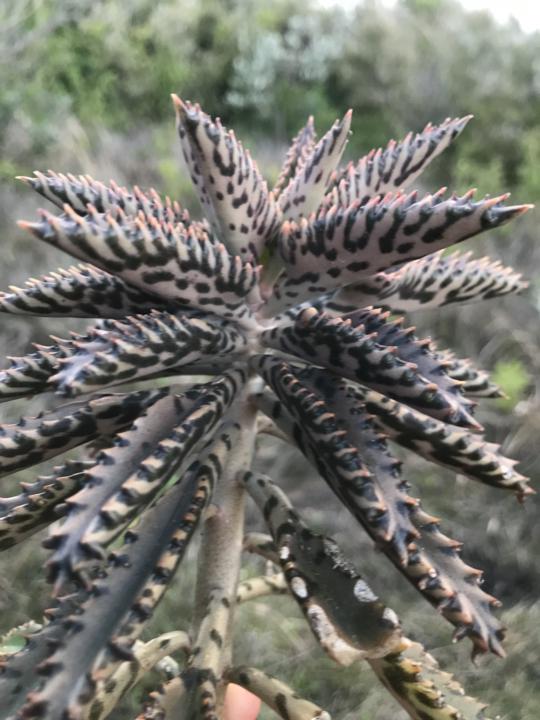
This badass clubby chunky tiger boi is so cool!!!!! But you know what … when you feed it it becomes boring. Plain green, almost no stripes, and a straighter and simpler leaf… wtf ?! (Ref photo doesn’t show leaf change) I thought all plants looked better when you feed them!!! I’m thoroughly disappointed. What other plants look better hungry?

Aug '24 •
Level up with Symbiotic organisms in the garden
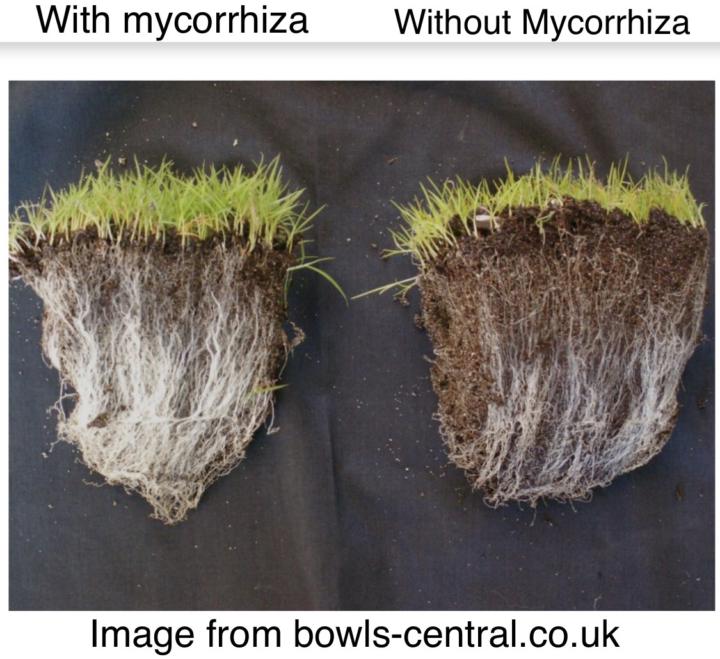
Whatever your business is, whether it be growing lettuce to house plants, the performance of your plants can be greatly elevated by the external help of certain fungi and microbe species. These organisms have what is known as a symbiotic bond with plants. Some species have varieties of microbes adapted to just that plant, whereas other beneficial microbes or fungi may be more flexible as to what plants they co-exist with. The way beneficial fungi and microbes interact with plants is similar but not quite the same. They both bond with the roots of the plants And develop some sort of symbiosis where the fungi or bacteria are able to extract nutrients from nearby soil and organic matter which the plants roots immediately are able to absorb. These microbes and fungi then consume some glucose from the plants. If the plant is in great health then there is abundant glucose available. Some plants, like legumes, have the ability to Harbour higher amounts of beneficial microbes than most other plants. You can use their ability buy planting those types of plants in close proximity to other plants that could use the help. Other times we can inoculate plants with beneficial microbes and fungi. One popular method is to use mycorrhiza fungi to inoculate plant roots. They bond with sites on the roots and the mycelium radiates outward through the soil. Much like a new set of roots! I’m sure you can see how that would be beneficial. The other popular way is to use purposely bred microbes know as nitrogen fixing bacteria to inoculate plant roots. These often bond to the roots and create large swollen “nodules” where they set up camp and multiply. They have the ability to extract nitrogen from nearby soil and organic matter making it available to the plants and in turn benefiting themselves from the abundant glucose the plant can now produce. There is a lot more to the subject and we’ll get into the details more in future follow up posts. For now I encourage you to get hold of some mycorrhiza and nitrogen fixing microbes made for home use applications, follow instructions, use some logic, test them on some plants and observe the results.
0
0
Aug '24 •
Advanced custom tailored compost for artisan crops
Here is an advanced method of compost making that you can use for any crop or variety of plant that requires very specific nutrient requirements. A perfect example is where Cannabis transitions from vegetative stage into flowering stage in its life cycle. It goes from needing high nitrogen, low potassium all the way through to eventually needing high potassium and low nitrogen. If you make specific compost tailored to those kind of conditions, you can make liquid feeds from that compost and not have to buy any liquid feeds. All we need to do in this case is make two compost piles, one that consists of only green nitrogen containing materials and another that consists of only potassium containing ingredients like fruit. Both of them start off with a nice inert carbon rich base like an animal manure or dry leaves, and then the nice rich organic materials, one being all nitrogen and the other being all potassium. Using the compost to make “tea” Is very practical especially for potted plants as compost application quickly fills up space. You can also incorporate all sorts of things that you would want to be in the the end product. So if you want to put in bonemeal it’ll break that down and you’ll have water soluble phosphorus straight away. you can put in fish in smaller amounts the same with meat in smaller amounts. Pretty much if it’s organic and it can be broken down in traditional composting means, you can add it into the compost. To make compost tea it’s as simple as putting some finished compost off your choice into a clean cotton cloth, wrapping it up and sealing it so no compost can get out and soaking it in water for an hour or so making sure to massage it and squeeze the juices out every so often. Don’t store compost teas for too long, they may go off and stink. A couple of days is fine. Compost can last for ages. Once you make tea, you create anaerobic environment that won’t support your aerobic composting microbe friends for long so use tea immediately.
1
0
Jul '24 •
Cannabis Indoor growing for beginners - lighting part 1
So you want to grow indoors, that’s great. There are a lot of advantages to going indoors. However, there are a lot of things to keep in mind before starting to save yourself a world of trouble. Growing indoors gives you complete control over every aspect of your environment that being said you have to control every aspect of your environment, which means managing every single thing. In nature, there are very many components to the natural systems that keep everything in a fine balance. Because bringing plants indoors removes them from the natural ecosystem, they are more easy to give the attention that you want to give them, but they are also more susceptible to risks that would otherwise be controlled by components in their natural ecosystem. Pests, for example, are a known disadvantage to growing indoors and require maintenance to prevent them and get rid of them. It is inevitable that you will get pests growing indoors. Managing them is super important. Other important aspects of the natural ecosystem that we want to emulate in the indoor environment, are the sun, rain, nutrient cycle, protection and soil. First we’ll look at the sun. Obviously we will be emulating the sun with lights. What type of light is an important consideration and there are many aspects to consider. Besides just optimal growth, space requirements, cost of use, cost of purchase and growth phase of the plants are all considerable factors. When the cannabis plant is in vegetative phase, the natural setting it would be in would be summer with long days and short nights. During summer, the light is more towards the blue spectrum. Similarly when growing plants under lights, during vegetative stage, one should opt for a similarly blue spectrum as summer sun. As autumn approaches and the angle of that part of the earth to the sun changes, so the light spectrum shifts towards more of a warmer orange tone. Similarly when cannabis switch to flowering phase, matching the Indoor lighting to the natural warmer winter spectrum helps in creating optimal buds. However when using lights that are re-purposed for the job such as domestic lighting, combing both cool blue and warm orange spectrums can help create the broadest imitation of the natural sun.
1
0
1-13 of 13
powered by

skool.com/art-peeps-2024-5656
Learn to be Creative, get useful critique to make the best Art of your life, and make hilariously creative friends!
Suggested communities
Powered by