
Write something
Pinned
Nov '25 •
Welcome to Alpine Apothecary!
I’m so glad you’re here. This community is for anyone who loves making natural products - whether you’re a complete beginner, a hobbyist, or an experienced small-batch maker. This is your space to learn, experiment, and grow your confidence with clear guidance and real formulas. Inside you’ll find courses, workshops, behind-the-scenes education, and a supportive group of makers who love sharing the craft. Skincare, bath bombs, candles, herbal remedies, teas, botanical colour - it all lives here. Take your time exploring. Ask questions. Share your wins (and your fails). You’re not expected to know everything - that’s what this space is for. If you love creating natural products and want honest, practical education without overwhelm, you’re in the right place. Welcome to Alpine Apothecary.Let’s make beautiful things together.
1
0
Pinned
Nov '25 •
START HERE: How to Use This Community
Read this first — it will make everything easier. Welcome to Alpine Apothecary!This post will guide you through how this community works so you always know exactly where to find what you need. 1. Explore the Learning Categories Each category is designed to keep everything organised and easy to navigate: Skincare Formulation Lessons, tips, and posts on creams, serums, balms, masks, cleansers and natural formulation. Bath & Body Products Bath bombs, bath melts, scrubs, salts, shower steamers, and all things bath and body. Candles & Home Fragrance Coconut wax, wicks, EOs, diffusers, room sprays, incense, and scent blending. Herbal Remedies & Teas Herbal blends, tinctures, infusions, decoctions, and plant-based wellness. Ingredient Knowledge Everything you need to know about oils, butters, waxes, herbs, clays, additives and natural colourants. Business & Selling Pricing, labels, packaging, compliance, photography, marketing and markets. Announcements & Updates Important updates, new lessons and official posts.(This is where you’ll find the Welcome Post + Start Here pinned.) 2. Where YOU can post Members can post in: Troubleshooting & Help Your photos, questions, fails, wins, and anything you need support, with no question is too small — that’s what this space is for. This keeps the learning areas clean while still giving you a place to ask and share. 3. How to Get the Most Out of This Community - Ask questions early — don’t struggle alone - Share your experiments (good or messy) - Use the search bar before posting - Join in the discussions - Celebrate your wins - Learn from others - Save the posts that help you - Check the Announcements category regularly You’ll learn faster when you participate. 4. What’s Coming Next More workshops More recipes More lessons More herbal education More behind-the-scenes More maker guidance And eventually… full courses inside the Classroom. You’re here early — and that means you’re part of the foundation of this community.
Mar 28 •
Alchohol in tinctures
Alcohol, in some cases, is simply the best tool for the job. It extracts a wider range of plant compounds and preserves them properly, which is why it’s used for traditional tinctures, especially with stronger or resinous herbs. But if you need to avoid it, whether that’s due to recovery, sensitivity, or personal choice, there are absolutely other options. It’s a bit like having an allergy. I’m allergic to penicillin, so even though it might be the best treatment in some cases, it’s not an option for me. That just means using an alternative, knowing it may work differently. Same applies here. Glycerine, teas, and vinegar extracts can work really well, especially for gentler herbs, they’re just not always a direct replacement for what alcohol can extract or preserve. So it’s about choosing what works for you, while understanding the trade-offs.
0
0
Mar 14 •
Coconut Oil suitability for lip balms
Is Coconut Oil RBD alright to use as my liquid oil in the beginners Lip Balm recipe please?
Mar 3 •
Wax melter
Need a wax melter This brand has survived my workshop when others have not https://toautomelters.com/candlemaking
1-22 of 22
powered by
skool.com/alpine-apothecary-5186
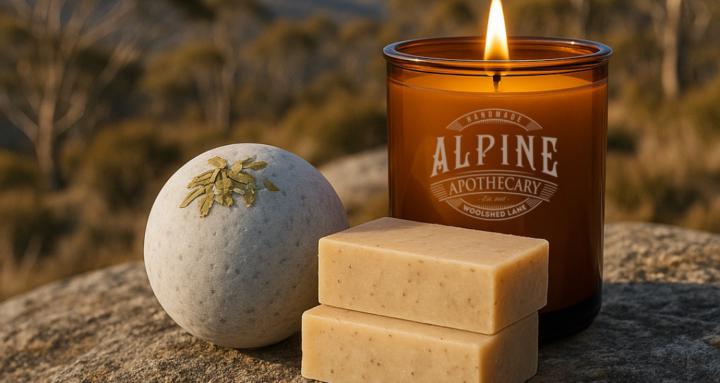
Courses, workshops, and community for anyone who loves making natural products. Clear guidance, real formulas, and support for all skill levels.
Suggested communities
Powered by