
Write something

🔥
16h •
Friday
Open hands invite. Closed hands control. Hidden hands conceal. The hands don’t lie about how open you are to another person’s influence — or how much you want control of the space. Check: When were your hands giving away more than your words?
1
0

🔥
23h •
Friday........TFI Friday
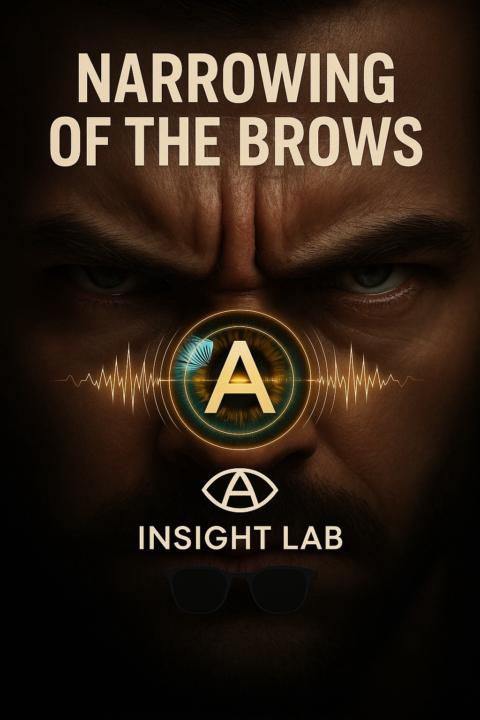
Morning behaviour Cue-Eyebrow Narrowing. The narrowing of the brow is typically associated with anger and is universally recognized as being connected to deep levels of concentration as well. You will usually see the cue before and during a person is being question and giving an answer and, depending on context, this can indicate a angered response to what is being said or happening. 1=Narrowing brow associated with anger 2=Narrowing brow associated with contemplation Remember context and cluster of cues before you make a decision that “This means That” Let me know your experiences and any questions in the comments
1
0
🔥
2d •
Ask the question....S.E.A.T
Over the weekend I was thinking about behaviours, and I do a lot of people watching and I was watching a couple having an argument. I could not hear what was being said but their body language was telling me so much. It go me thinking about 1 - we can’t have a thought without giving a physical response 2- we all behaviour differently but we are all trying to say something, likes dislikes We are in pain. Understanding and Managing Challenging Behaviours in Autism Do you know what’s behind challenging behaviours? In my experience, it’s often a way for individuals, especially those who are nonverbal, to communicate unmet needs, discomfort, or pain. When I encounter a challenging behaviour, or when someone with autism is in crisis, I use the S.E.A.T. method to understand and address the issue: S.E.A.T. Framework: Sensory: Is there sensory overload (too noisy, too bright)? Escape: Is the person trying to avoid a task or situation? Attention: Are they seeking attention? Tangible: Are they trying to obtain a specific item or comfort object? Also, consider: Physical Issues: Pain or discomfort? Cognitive Factors: Difficulty understanding or processing information? Emotional/Psychological Issues: Stress or anxiety? Environmental/Social Factors: Overwhelming surroundings or social dynamics? Communication Needs: Struggling to express needs or feelings? Key Strategies: Change the Environment: Modify surroundings to reduce triggers. Teach Replacement Skills: Help them learn alternative ways to communicate their needs. Understand Triggers: Identify and address specific events that precede behaviours. Ready to transform how you manage challenging behaviours in autism? Join my workshop for evidence-based strategies and hands-on training. Let's create a supportive environment together.
0
0

🔥
3d •
READ THIS....
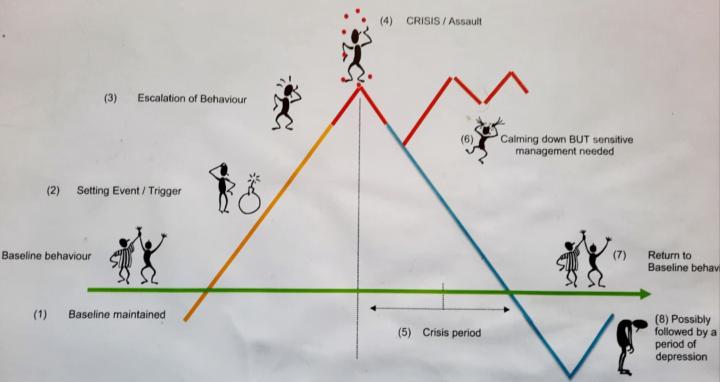
🌟 We All Struggle to Stay at "Baseline" 🌟 Understanding where we get "triggered" and how we can get back to baseline is crucial for everyone. Whether you're dealing with stress, anger, or other intense emotions, this plan works for us all. Struggling to Maintain Baseline Behaviour in Autism? Here's How I Can Help!In reality, staying at "baseline" can be challenging, especially for individuals with autism, non-verbal communication, and other complex needs and challenging behaviours. So, what can you do? Discover Our Proactive Strategies to Support You: Proactive Strategies: 🔹 70% Proactive: Address needs before problems arise. PCP PBS: Person-Centred Planning and Positive Behaviour Support.Likes and Dislikes: Understand and incorporate individual preferences. Active Strategies: 🔹 20% Active: Help individuals calm down to address their needs. Response/De-escalation: Immediate strategies to manage rising behaviours. Promote Relaxation: Techniques to help individuals return to a calm state. Reactive Strategies: 🔹 10% Reactive: Deal with challenging behaviours as they occur. Response to Situation of Risk: Implementing safety measures to manage immediate risks. Take the Proactive Approach Today and Transform Your Support Strategies! Learn how we can help you manage and address these behaviours effectively. Let's create a supportive environment together!
1
0
🔥
3d •
BLINK RATE
Wednesday Behaviour cue- Blink Rate. I want you to go out today and in conversation or watching others just notice the blink rate, don’t count how many times, just notice an increase of decrease. Because the blink rate will show that High blink rate signal stress and low blink rates show intense focus (not comfort). Average blink rate 12-17 per min- High BR end 100 per minute = stress Low BR 1-5 per minute = focused. Your job is to lower the blink rate by increasing focus. An extra action to take if there is an increase, what was said or happened when the blink rate increased? Doesn’t mean a person is being deceptive, but something happened to become more stressed. Let me know your experience in the comments Lets do the work!!!
1
0

1-6 of 6
skool.com/a-team-for-autism
The A- Team for Autism- Autism Crisis Management- Crisis Intervention- Behavioural Analysis- Training for parents, carers, and professionals.
Powered by