Activity
Mon
Wed
Fri
Sun
Oct
Nov
Dec
Jan
Feb
Mar
Apr
May
Jun
Jul
Aug
Sep
What is this?
Less
More
Owned by Monique
Private wealth community for 9-5 high-earning women building wealth and becoming retirement optional through structure, realty & expert connections.
House of Her® Community
107 members • Free
SkoolKit | Skool CRM Toolkit
913 members • $2/month
Lifestyle International Realty
1.4k members • Free
Six Figure CEO Society
1.2k members • Free
Royale Business Institute
7k members • Free
LIR Carolinas
182 members • Free
International Real Estate
251 members • Free
Act Like A Great Communicator
184 members • Free
Undependent Women's Community
128 members • $10/year
156 contributions to Undependent Women's Community

1 like • 3d
Another great lifeboat owners call. We learned how to build the perks page and how to choose which perks we need and what order to put them in.
10d •
Lifeboat Call: September 4, 2026
Lots of sharing from everyone! We covered: 1. Giving at least one other lifeboat a testimonial this weekend. Use testimonials as Substack notes, and to freshen up our Substack About and Getting Started pages. You can also use them on Substack Sales pages, too. 2. Clicking the "Email Post" button on Skool posts. You can send one every seven days. BUT, don't send too many, but It is a tools for important posts. Remember, provide value before you try to sell something. 3. Private chat your Skool members when they first join your Skool, if they posted after being gone a while, or if they bring up a compelling post. Also, consider chatting all of your older, original members. I am doing a ABC-split. One-third will get my ScoreApp link, 1/3 will get my calendley link offering a meeting, and the final third will get a free pdf. 4. Private or group chat your Substack subscribers. Save your Substack emails. 5. Hero stories. 6. YouTube posts. 7. A lot more! Enjoy!

2 likes • 8d
@Karen Saxe Eppley I think I posted under the wrong link initially 🤦♀️. Again, great call. Thank you.

8d •
Super Sunday Seven
Hello Winners and Supernovas... It is the time to step into your GREATNESS and put your Sunday Seven up... Mine are in the comments below.... TOGETHER WE RISE. Link is below https://www.skool.com/undependentwomen/super-sunday-seven-4c0b52ae
4 likes • 8d
Sunday: traveling Monday: Substack engagement, Live on FB/YT, and Monday mindset call. (Still figuring out new equipment). WDW VIP call 7 pm Tuesday: engagement and Coffee Hour, work on Black Friday deal, Bible Study Wednesday: prep, WR brief and Live on Substack Thursday: Management This weekend real estate. Preparing to go to DR and PR.
9d •
The Mistake That Made Her Millions
Most people try to hide their mistakes. I know that I don't like admiting that I made a mistake. However, Bette Nesmith Graham built a fortune from her mistake. In the 1950s, Bette was a divorced single mother working as a secretary at a bank in Texas. Her electric typewriter made her faster, but every typo meant starting the entire page over. One day, Bette noticed that artists did not erase their mistakes. They simply painted over them. So she went home, mixed white tempera paint in her kitchen blender, poured it into small bottles and carried it to work with a tiny brush. She called it “Mistake Out.” Over time, other secretaries began asking for bottles. Bette and her son made them at home at night. She kept her job, paid her bills and quietly built something she owned. Then came the deliciously ironic part. Bette was fired after accidentally typing the name of her own company on a letter from the bank. The mistake that cost her job forced her to focus on the business her mistakes had created. Mistake Out became Liquid Paper. In 1979, Bette sold the company to Gillette for $47.5 million. If you're old enough you remember, "White out" and "Liquid paper" Her story teaches us something really important. Your next source of income may not begin with a brilliant business idea. It may begin with a small irritation you understand better than anyone else. Pay attention to the problems people repeatedly bring to you. Notice what you make easier, faster or less painful. Then ask yourself: Could I turn this solution into something I own? Bette did not begin with investors, a business degree or a grand vision. She just began with a stupid typo, a kitchen blender and the willingness to try. Your mistakes may not be proof that you are failing. Instead, it may be pointing toward what you should build next. What ordinary problem could you solve for someone this year? Your small idea may be more valuable than you think. With love, Vickie Helm
2 likes • 9d
Ingenuity and ownership! Her IP made her millions. Just think if she didn’t turn it into a business and kept working at the bank? The mistake that cost her her job, someone else paid millions for. Such a wonderful story.
13d •
Don't Just Show Up. Start Converting
“What happens after they see my content?” Connecting and serving…That is where the money is Discussed: YouTube new rules for 2027 and how to prepare And… Skoolkit: How to Schedule Your Skool post and automate your Lifeboat.

1 like • 12d
@Gayle B thank you. I wasn’t sure if anyone knew that YouTube was updating for 2027, that building a community on YouTube and pre-scheduling posts could be a game change for more subs and views and get your YouTube to monetize for you.
1 like • 10d
@Vickie Helm thank you
1-10 of 156
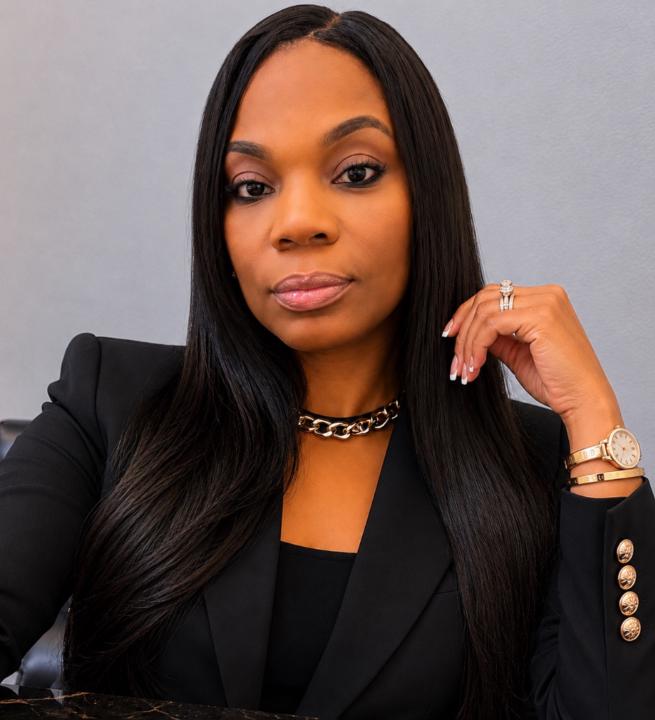
@wealthdonewright
Christian, Building Wealth Assets , wife, mother, author, and friend: Substack:@WealthDoneWright
Active 17h ago
Joined Jan 5, 2026
North Carolina
Powered by