Activity
Mon
Wed
Fri
Sun
Aug
Sep
Oct
Nov
Dec
Jan
Feb
Mar
Apr
May
Jun
Jul
What is this?
Less
More
Memberships
The Anti-Diet Protocol
461 members • $132
6 contributions to The Anti-Diet Protocol

Oct '25 •
Are you still using this group / following the program?
I just want to check the numbers, as we will be wrapping up this group soon. It's been highly rewarding helping many people and getting to know you all through this community. I would have liked to see a few more people commit; however, the problem with free stuff is that people don't always follow through. If there are only a few responses, we will bring the date forward, as there are platform fees. As of today, we won't allow any new members to join, just so we can come to a natural end. If you are looking for further support and a continuation plan, please comment 'LEARN MORE' below
Poll
31 members have voted

3 likes • Oct '25
Thank you Marc, yes I still open the group and make every effort to follow the plan with your guidance and I can say that I do like it, even though Ibmust confess I cannot manage to commit as I should and would like to, regardless of that I do feel the effects. A big thanks, keep up the great work
Oct '25 •
“I don’t have time to work out.”
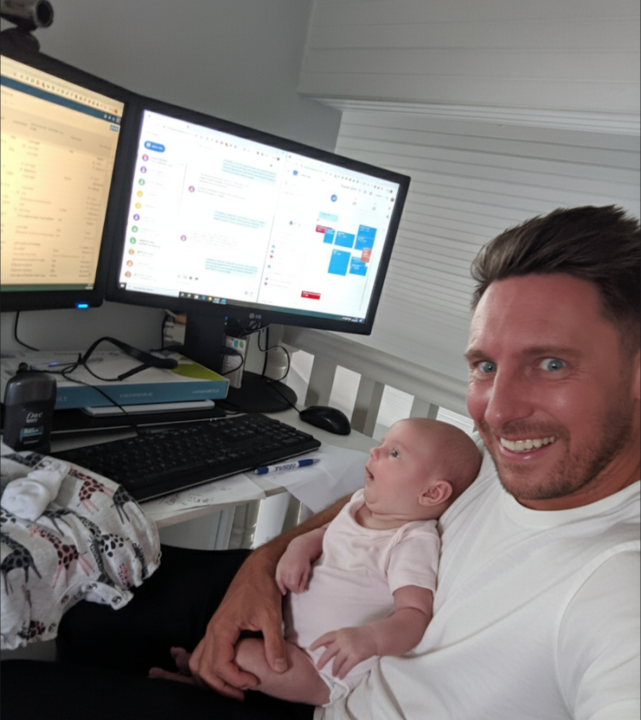
That was the lie I told myself every single day. Here was my reality: 2 kids under 2. A dog & cat. A new business demanding my time every minute. Exercise felt like a luxury I couldn’t afford. Worse still, it felt selfish. I was running on fumes. Caffeine and cortisol were my fuel. And every minute I spent on myself felt like stealing time from my family or business. The guilt was crushing. But I quickly released. I didn’t have time not to. My energy was gone. My focus was scattered. My patience was thin. I was trying to lead with an empty tank. It’s like your phone. You’d never expect it to last all day without charging it. Yet that’s exactly what I was doing to myself. Exercise isn’t spending energy. It’s creating it. 🤓 A University of Georgia study found that low-intensity exercise can reduce fatigue by up to 65%. It boosts the neurotransmitters that drive your mood, focus, and energy. The irony was the solution to being tired… is often the thing you feel too tired to do. Here’s what changed everything for me... I call it the CEO Meeting Stop trying to “find time.” You never will. Book it. Block 30 minutes in your diary. Title it: “Meeting with the CEO.” Because that’s you 🫵 Show up. Protect that time like your business and family depends on it, because it does. The truth is, I wasn’t being a hero by skipping workouts. I was sabotaging my own success. I was being a shadow of my former self. I always say, "You have to serve yourself so you can serve others to your full potential" Q. What story are you still telling yourself that’s holding you back?
2 likes • Oct '25
Totally agree with you Mark. Thanks for that, I trust that many of us are doing or have done the same. Very enlightening for me at least. THANKS
Oct '25 •
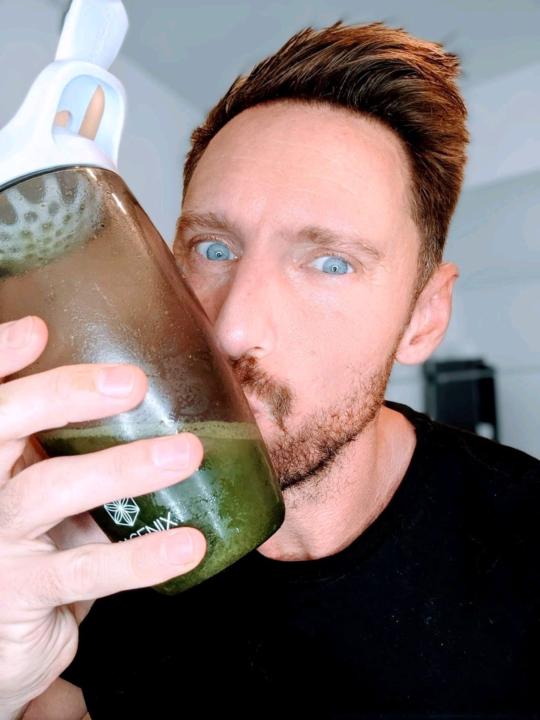
I drink greens for breakfast 🥦 Here's why!?!
Eating them in the past has always been a struggle for me. Since introducing this greens drink to my daily routine, I've noticed my skin has improved, my energy levels are considerably higher, and I have been feeling great. I've always struggled to eat my 5-a-day, especially veggies. This is where this drink is so handy. Just one scoop. Water and it tastes really good! And the taste is surprisingly good. Most greens powders taste like pond water 😩 This one’s different, barely any flavour, so it mixes with anything (even just plain water). I even sneak it into my kids’ pasta sauce. Dad 1 – 0 Kids. If you struggle to hit your 5-a-day or feel like your energy’s dipped, adding greens could be a game-changer. Want the one I use? Drop ‘GREENS’ in the comments and I’ll send you the link.
2 likes • Oct '25
GREENS
Sep '25 •
Should I take a multivitamin?
Should You Take a Multivitamin? What the Science Really Says The Problem: Nutrient Gaps Are Everywhere If you think you’re hitting all your nutrient needs through food alone, the numbers say otherwise. - Roughly 70% of Americans are low in vitamin D - Nearly half don’t get enough magnesium - A third falls short on calcium These are not small misses. Low vitamin D is linked to higher mortality. A lack of magnesium speeds up ageing. Folate deficiency damages DNA at levels similar to radiation exposure. Food should be our primary source of nutrients, but it’s hard to get everything right every day. You’d need a diet that’s perfectly balanced, perfectly consistent, and perfectly portioned. Most of us don’t eat that way. That’s where the appeal of a multivitamin comes in. It promises to cover the gaps. The Big Debate: Miracle Pill or Expensive Urine? Multivitamins are one of the most widely used supplements in the world. Roughly a third of adults report taking one. But ask people what they think about them, and you’ll get two very different answers. Some say it’s cheap nutritional insurance. Others say you’re just making your pee more expensive. That second opinion has become a bit of a cultural joke, but it leaves us with a real question: if multivitamins don’t prevent disease or extend life, are they worth it? The Clear Evidence: Multivitamins Support Brain Health This is where the science gets interesting. The COSMOS trial, short for the Cocoa Supplement and Multivitamin Outcomes Study, is one of the largest and most rigorous studies ever done on multivitamins. Researchers followed thousands of adults for three years to see if a daily multivitamin could make a measurable difference. And it did. Participants who took a daily multivitamin performed better on tests of memory, focus, and executive function compared to those who took a placebo. These weren’t one-off results. Across three separate COSMOS sub-studies, the benefits showed up again and again.
1 like • Sep '25
Thanks Mark, very insightful and helpful indeed. Thanks
Sep '25 •
Workout Of The Week - The Total Body Blast Workout (PDF Attached)
Try these 3 quick home workouts per week when time is short. This 10-station, 200-rep program burns fat and builds muscle in less than an hour a week. The 20-minute routine requires only one item, a chin-up bar, so you can do it anywhere in your home. Here's a link to a cheap chin-up bar that requires no screws to fit to your door frame: https://amzn.eu/d/gbxTBPw
1 like • Sep '25
It's a total blast indeed. Thanks Mark
1-6 of 6

Active 25d ago
Joined Sep 22, 2025