Activity
Mon
Wed
Fri
Sun
Oct
Nov
Dec
Jan
Feb
Mar
Apr
May
Jun
Jul
Aug
What is this?
Less
More
Lessons in Self Publishing
455 members • Free
Copywriting 101
2.4k members • $7
Ghostwriters Anonymous
17.1k members • Free
Philosophy Realms
135 members • Free
Writers Block
650 members • Free
Write Your Book 📚
110 members • $47/month
Start Writing Online
21.6k members • Free
Brunettilandia
7.4k members • Free
8 contributions to Writing

Mar 4 •
The Draft Isn’t Confusing. The Decision Is.
Most writers think they have a writing problem. They don’t. They have a decision problem. You can feel it when: You keep rewriting the same chapter but nothing feels “resolved.” Feedback sounds helpful… but leaves you more uncertain. You’re not sure if the issue is pacing, character depth, or something bigger. You’re working hard, but not moving forward. Here’s what’s really happening: You’re trying to improve a story without first deciding what the story is about at its core. If the character’s true want isn’t sharp, if the stakes aren’t emotionally defined, if the direction of the story isn’t settled, every rewrite becomes surface-level. You polish. You adjust. You tweak. But the weight stays. Because clarity doesn’t come from effort. It comes from identifying the one thing the story is actually built around. And most burnout isn’t creative exhaustion. it’s the fatigue of carrying too many unanswered story questions at once. So here’s something to think about: If you had to name one thing your story is struggling with right now, not everything, just one, what would it be?
0
0
Feb 26 •
The Most Exhausting Part of Writing Isn’t Writing
It’s not the drafting. It’s not even the rewriting. It’s the constant guessing. Guessing if the scene works. Guessing if the emotion landed. Guessing if the feedback you got was helpful… or quietly damaging. So you revise. Then revise again. Then delete chapters that once felt right. And somehow the book feels heavier, not clearer. Here’s what most writers don’t realize: When you’re deep inside a manuscript, you’re asking your brain to do too many jobs at once. You’re the writer. The editor. The critic. The reader. The problem-solver. That’s why revising drains more energy than drafting. That’s why “knowing what to fix next” feels harder than writing the scene itself. At a certain point, rewriting stops being progress and starts being a signal: The story doesn’t need more effort, it needs clarity. Clarity about: • what’s already working • what’s confusing the reader without you realizing it • what actually matters enough to fix now That moment doesn’t mean the book is broken. It means the book has outgrown isolation. If you’re a writer reading this: What’s costing you the most energy right now, rewriting, trusting feedback, or knowing what actually matters enough to fix first?
2
0
Feb 7 •
When Rewriting Stops Working
I’ve seen writers rewrite the same book three or four times and still feel stuck. At some point, rewriting stops helping. That’s usually the moment when the problem isn’t the writing itself, but the direction of the story. You can polish sentences forever and still miss the core issue. Sometimes clarity beats craft. Has rewriting ever made you feel more confused instead of clearer?
0 likes • Feb 18
@Gabriel Xantalos Exactly, if the foundation isn’t solid, no matter how much you polish the walls, the structure won’t hold. Out of curiosity, when you’re revisiting a project after some distance, what’s the first thing you look for to know the foundation is actually strong?
1 like • Feb 26
That makes a lot of sense, especially the part about not forcing it. What you’re describing sounds like a deep sensitivity to alignment, when the words are moving with your inner current versus against it. For songwriters and poets especially, that resistance can feel almost physical, like the work is telling you it’s not ready yet. Dropping it isn’t giving up in your case; it’s listening. You’re honoring timing and truth rather than trying to manufacture meaning. I’m curious, when you do feel that natural flow again, what usually signals to you that it’s the right moment to return to the page?
Feb 19 •
Beta Reading Update 📚
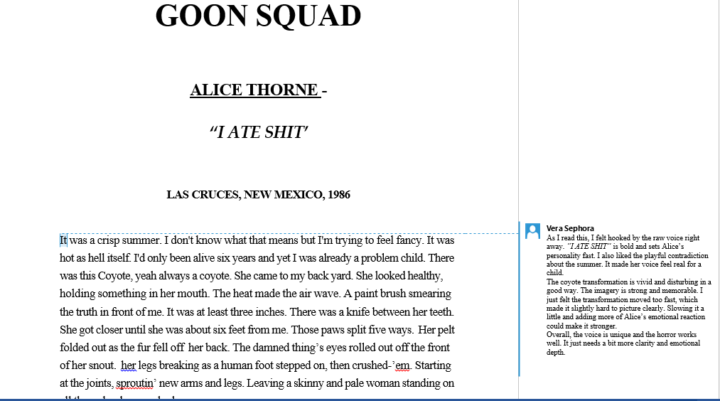
Just hit 10k words on a gripping manuscript, loving the twists and character depth. Fresh eyes are helping nail pacing and emotional beats. Excited to dive into more. If you need beta reading, editing, formatting, or ACX support, feel free to DM me. #BetaReader #WritingCommunity #IndieAuthor
1
0
Feb 17 •
You’re Not Burnt Out From Writing, You’re Burnt Out From Guessing
Most writers don’t stop because they run out of ideas. They stop because they’re tired of not knowing. Not knowing: If the story is actually working If the pacing is off or they’re just overthinking If the characters feel flat, or if they’ve simply read the draft too many times If the feedback they’re getting is helpful… or harmful So they rewrite. Then rewrite again. Then delete chapters. Then wonder why the book feels heavier instead of clearer. Here’s the part no one explains: Burnout often comes from carrying too many unanswered questions, not from lack of talent. When you’re deep inside a manuscript, your brain is doing too many jobs at once: Writer Editor Critic Reader Problem-solver That’s why revising feels harder than drafting. That’s why “knowing what to fix next” is more exhausting than writing the scene itself. What most books don’t need at that stage is: More pressure More rewriting More random feedback They need clarity. Clarity about: What’s already working What’s confusing the reader without you realizing it What actually needs fixing now versus later That clarity doesn’t mean the book is broken. It means the book has reached the point where it can’t grow in isolation anymore. If you’re a writer reading this: What’s draining you the most right now, revising, trusting feedback, or knowing what matters enough to fix first?
0
0
1-8 of 8

@vera-sephora-6386
Helping writers turn “almost ready” books into publish ready ones.
Stories • Formatting • Audiobooks.
I share fixes, not fluff.
Active 184d ago
Joined Feb 6, 2026