Activity
Mon
Wed
Fri
Sun
Jul
Aug
Sep
Oct
Nov
Dec
Jan
Feb
Mar
Apr
May
What is this?
Less
More
Owned by Trey
Get Shredded, Get Results—with Huncho PT!
Memberships
17 contributions to Huncho PT

Dec '24 •
Increasing Strength & Reps!
📈 Mastering Progressive Strength with Weighted Calisthenics + Increasing Your Push-Up & Pull-Up Reps 💪🏾 Hey team! Let’s dive deep into how you can progressively build strength with weighted calisthenics and also crush higher reps for push-ups and pull-ups. The principles we’re covering here will transform not only your strength but also your endurance. Step 1: The Principle of Progressive Overload Progressive overload is the key to building strength. This means gradually increasing the demand on your muscles over time. Here’s how it applies to calisthenics: 1️⃣ Add weight: Use a weighted vest, belt with plates, or dumbbells. 2️⃣ Increase reps or sets: Once your form is solid, gradually add more reps/sets. 3️⃣ Manipulate tempo: Slow down your negatives (eccentric phase) to create more tension. 4️⃣ Change leverage: Shift to harder variations (e.g., archer pull-ups, pseudo-planche push-ups). The goal is to constantly challenge your muscles while maintaining perfect form. Step 2: How to Progressively Increase Pull-Up Strength & Reps Pull-ups are a king movement for upper-body strength. Here’s how to level up: For Strength: • Start by mastering 5 clean reps at bodyweight. • Add weight once you can do 5-8 reps consistently. Start with 5% of your body weight (e.g., 10-15 lbs) and aim for 4-6 reps. • Gradually increase the weight each week or two while keeping the reps in the 4-6 range. For Reps: • Use Grease the Groove: Perform submaximal sets (e.g., 50% of your max) multiple times throughout the day to build endurance. • Try pyramid sets: Start with 1 pull-up, then do 2, 3, 4, and so on until failure. Work your way back down. • Incorporate drop sets: After your max-weight set, strip off the weight and perform bodyweight pull-ups to failure. Step 3: How to Progressively Increase Push-Up Strength & Reps Push-ups are versatile and scalable. Here’s how to dominate them: For Strength: • Master the standard push-up first. Work toward 20 clean, full-range reps.
0
0
Sep '24 •
The Best Diet is the One You Can Stick To
The Best Diet is the One You Can Stick To: The Power of Consistency and Clean Eating Hey HunchoPt community! We all know that diet is a huge part of our fitness journey, but here's the truth—there is no perfect, one-size-fits-all approach to eating. The best diet? It's the one you can stick to. The one that feels sustainable, doesn't leave you feeling deprived, and fuels your body for long-term success. Let’s dive deeper into what truly matters: calories in vs. calories out, and the quality of food you choose. Calories In vs. Calories Out: The Simple Science of Weight Loss At its core, weight loss is about one thing: calories in vs. calories out. To lose weight, you need to be in a caloric deficit. This means either consuming fewer calories than your body burns, or increasing your activity level to burn more than you eat. It’s that simple, but it’s not always easy. It doesn’t matter if you eat clean or indulge in processed foods—if you consistently consume more calories than your body needs, you will gain weight. On the flip side, if you’re burning more calories than you’re taking in, the weight will start to come off. Clean Eating vs. Processed Foods: Why Quality Matters While calories determine weight loss, the quality of those calories is what will make you feel your best and help you perform at your peak. Not all calories are created equal. Clean, whole foods like vegetables, lean proteins, healthy fats, and whole grains provide essential nutrients that fuel your workouts, boost your energy levels, and aid in recovery. These foods give your body what it needs to function optimally. On the other hand, heavily processed or “dirty” foods—think sugary snacks, fast food, and pre-packaged meals—might be calorie-dense, but they lack the nutrients your body needs. Eating these foods regularly can lead to inflammation, energy crashes, and even difficulty staying full, making it harder to stick to your diet long-term. Simple Food Swaps to Upgrade Your Diet You don’t need to overhaul your entire diet overnight! Small changes can make a big difference. Here are some simple swaps to help you clean up your meals:
0
0
Jul '24 •
Getting Started?
Starting your fitness journey can be both exciting and challenging. The key to success lies in consistency, proper nutrition, and a well-structured exercise routine. Here’s a comprehensive guide to help you get started and see guaranteed results. First things, first. We need to see where you are on a BMI Chart! You can find this chart in the general discussion or attached at the bottom here. Finding where you are on the BMI Chart will give us a good indicator on whether or not you need to lose or gain weight, whether you are over-weight or under weight. Calculate Your Daily Maintenance Calories Understanding your daily caloric needs is the first step. Your maintenance calories are the number of calories you need to maintain your current weight. To find this: 1. Multiply your current weight in pounds by 14 to 15: This step estimates your basal metabolic rate (BMR) or the number of calories your body needs to maintain its current weight at rest. Multiplying by 14 to 15 is a rough estimate, as BMR can vary based on factors such as age, gender, muscle mass, and activity level. 2. Subtract 300-500 calories: This step creates a calorie deficit by reducing the number of calories consumed below your estimated BMR. A deficit of 300-500 calories per day is often recommended as a safe and sustainable rate of weight loss, leading to about 0.5 to 1 pound of weight loss per week. Here's an example: Let's say a person weighs 150 pounds. - BMR Estimate: 150 lbs * 14 = 2100 calories/day (lower end estimate) - Caloric Deficit Range: 2100 - 300 = 1800 calories/day - Caloric Deficit Range: 2100 - 500 = 1600 calories/day So, for this individual, aiming to consume between 1600 to 1800 calories per day would create a calorie deficit conducive to weight loss. Eat Consistently Consistency is crucial. Stick!!! to your calorie goals daily!!!! and make sure your diet is balanced with the right macronutrients: - Proteins: Essential for muscle repair and growth. - Carbohydrates: Provide energy for your workouts. - Fats: Important for hormone production and overall health.
0
0
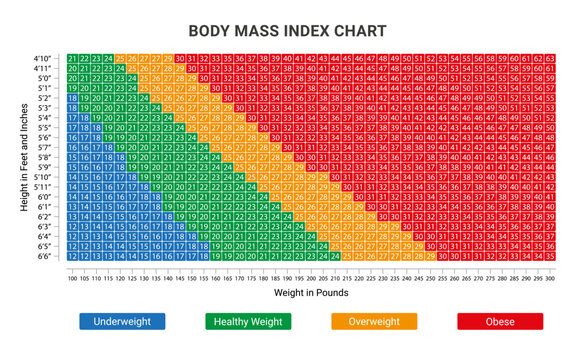
Jul '24 •
Achieving Single-Digit Body Fat Levels
Achieving single-digit body fat requires meticulous attention to diet, exercise, and overall lifestyle. As an expert nutritionist, I'll guide you through five key points for eating healthy and focusing on whole foods, specifically from a carnivore and keto-based diet. Here's a detailed breakdown: 1. Prioritize High-Quality Protein Sources Protein is essential for muscle preservation and growth, especially when aiming for low body fat. Opt for high-quality animal proteins such as grass-fed beef, free-range poultry, wild-caught fish, and pasture-raised eggs. These sources provide essential amino acids and are more satiating, helping to control hunger and support muscle repair. 2. Emphasize Healthy Fats Healthy fats are a cornerstone of both the keto and carnivore diets. They provide a steady energy source and help maintain satiety. Focus on fats like avocados, olive oil, coconut oil, grass-fed butter, and fatty cuts of meat. These fats support hormone production and brain health, crucial for overall well-being and maintaining a low body fat percentage. 3. Limit Carbohydrate Intake Reducing carbohydrate intake is fundamental in reaching single-digit body fat, as it encourages the body to use fat as its primary energy source. On a keto or carnivore diet, aim to keep carbs under 50 grams per day, focusing on non-starchy vegetables and avoiding sugars and grains. This helps maintain ketosis, where the body burns fat for fuel. 4. Eat Whole, Unprocessed Foods Whole foods are minimally processed and free from additives, making them more nutrient-dense. Consuming whole foods ensures you get essential vitamins, minerals, and antioxidants without the negative effects of additives and preservatives found in processed foods. This not only supports overall health but also aids in reducing inflammation and improving metabolic function. 5. Monitor Caloric Intake and Macronutrient Ratios To achieve and maintain single-digit body fat, it's crucial to monitor your caloric intake and macronutrient ratios. While a calorie deficit is necessary for fat loss, ensure you're not drastically under-eating, as this can lead to muscle loss and metabolic slowdown. Balance your diet with approximately 70-75% fats, 20-25% protein, and 5-10% carbs, adjusting based on your specific needs and activity level.
0
0
Jul '24 •
Building A Faster Metabolism
5 Tips for Building a Faster Metabolism 1. Increase Protein Intake: - Tip: Include protein-rich foods like lean meats, eggs, beans, and legumes in every meal. - Benefit: Protein requires more energy to digest, which increases your metabolic rate and helps build and repair muscle, further boosting metabolism. 2. Stay Hydrated: - Tip: Drink plenty of water throughout the day, aiming for at least 8 cups (2 liters). - Benefit: Staying hydrated can increase your resting metabolism by up to 30%, aiding in more efficient calorie burning. 3. Strength Training: - Tip: Incorporate strength training exercises such as weight lifting, resistance band exercises, or bodyweight exercises (like push-ups and squats) into your routine at least 2-3 times per week. - Benefit: Building muscle mass increases your resting metabolic rate, meaning you'll burn more calories even when you're not exercising. 4. Eat Small, Frequent Meals: - Tip: Opt for smaller, balanced meals or snacks every 3-4 hours rather than a few large meals. - Benefit: Eating more frequently can keep your metabolism active and prevent the energy dips that can lead to overeating. 5. Get Enough Sleep: - Tip: Aim for 7-9 hours of quality sleep each night. - Benefit: Good sleep supports a healthy metabolism by regulating hormones that control hunger and stress, preventing metabolic slowdowns caused by fatigue and sleep deprivation. Benefits of Having a Faster Metabolism 1. Increased Calorie Burn: A faster metabolism allows you to burn more calories throughout the day, even at rest, which can help with weight management and fat loss. 2. Enhanced Energy Levels: A more efficient metabolism provides a steady supply of energy, reducing feelings of fatigue and increasing your overall productivity and physical performance. 3. Improved Muscle Mass: A faster metabolism supports muscle growth and maintenance, which is essential for overall strength, balance, and metabolic health.
0
0
1-10 of 17

Active 112d ago
Joined Jun 26, 2024
Powered by