Activity
Mon
Wed
Fri
Sun
Oct
Nov
Dec
Jan
Feb
Mar
Apr
May
Jun
Jul
Aug
Sep
What is this?
Less
More
𝐀𝐈 𝐌𝐀𝐊𝐄 𝐌𝐎𝐍𝐄𝐘 💵💰
8.8k members • Free
LMG's AI Academy
10.7k members • Free
AI Automation Agency Hub
334.1k members • Free
AI Essentials
10.8k members • Free
Escape The 9 to 5
10.9k members • Free
Viral Coach Training Material
29.9k members • Free
Jack Vs. AI Workflows
18.4k members • Free
Max Business School™
266.3k members • Free
TotalThreat | Cybersecurity
1.5k members • Free
6 contributions to Amigoscode

7d •
The AI builder stack I’d actually keep around
Every single week, a new coding tutorial, framework, or developer tool drops into our feeds promising to fast-track your tech career. The hard part isn't discovering them. It’s figuring out which ones actually earn a permanent spot in your daily workflow instead of just collecting dust in your bookmarks—especially when you're trying to break into software engineering from zero. This is the lean stack I rely on to actually get things built: Claude Code / Cursor: For working directly inside a codebase with AI, turning ideas into working features, and learning how real software logic functions. GitHub: Where the actual projects live. AI can help you write code faster, but mastering version control is non-negotiable for any software engineer. n8n / Make: For wiring up backend logic and moving data between apps without hitting the frustrating limits of basic integrations. XAMPP & Local SQL: Where backend databases and server environments are configured, tested, and fine-tuned locally before deployment. Tailwind CSS: Keeps frontend development clean, responsive, and fast without getting bogged down in messy stylesheets. Floment: Useful for organizing community engagement, sharing workflows, and keeping technical discussions structured in one place. The bigger lesson here is that stacking tools just because they are trending is a fast track to tutorial hell. I’d rather find a real coding bottleneck → map out a clean architecture → test the logic → build the feature → and make sure it actually works. That’s a much better way to master software engineering than chasing every shiny object on the internet. Hey everyone! I'm brand new here, and seeing Nelson build Amigoscode and create a space dedicated to breaking into tech from scratch is incredible. Learning to code and building real systems is so much easier when you're surrounded by people actually shipping projects. What core programming tool or tech stack are you focusing on mastering inside the community right now?

1 like • 6d
Spot on about avoiding tutorial hell and cutting down on random app clutter. Stacking too many platforms just slows down actual building when you want to ship fast. Keeping things streamlined with GitHub alongside Floment makes it so much easier to manage tasks and track progress without getting overwhelmed. Having project tracking right inside the community workspace keeps the daily focus locked on shipping.

28d •
30 days Challenge Who’s In?
🚀 30-Day Coding Challenge Who’s with me ? I have a simple proposition for the community: Let’s start a 30-day coding challenge together. The idea is simple: 💻 Pick a project 🔥 Code every day for 30 days 📈 Share our progress with the community 🤝 Help each other when we get stuck 🎯 Finish with a real, working project It doesn’t have to be a huge project. The goal is consistency, accountability, and actually building something. I’m thinking of starting with Day 1: Choose the project + define the goal. Who wants to join me? Drop a 🔥 below if you’re in! #30daysofspringboot #Amigoscode Academy
0 likes • 13d
Joining a thirty day challenge is the best way to stop overthinking and actually ship code. I keep my tasks organized using project cards and task tracking on Floment alongside VS Code for development. Dropping daily updates into public progress feeds helps keep accountability high when building solo. Flowie also helps organize notes quickly so you do not waste time figuring out what to code next.

Jul 26 •
🚀 First Release: Resonance – Visual System Design Simulator
Hey everyone! 👋 I'm excited to share the first public release of Resonance. Resonance is a visual system design simulator that connects to GitHub repositories, reverse-engineers architecture, and enables real-time simulation with AI-powered optimization suggestions. The goal is to make it easier for developers and architects to design, analyse, and better understand distributed systems through an interactive visual interface. Current features • 🎨 Visual drag-and-drop system design editor • 📊 Real-time simulation with detailed architecture reports, including: - Overall architecture score - Reliability - Performance - Security - Cost - Explainability - Actionable recommendations • 🔍 Architecture validation and bottleneck detection • 🐳 Docker Compose export • 🌗 Dark & Light themes • 👥 Teams (Beta) • 📋 Templates (Beta) Built with - React 19 - Node.js + Express - React Flow - Zustand - Tailwind CSS - Vite What's next - Smarter AI-powered architecture recommendations - Better cloud cost estimation - Improved GitHub repository analysis - Higher simulation accuracy - Real-time collaborative editing This is still an early release, and I'd genuinely love to hear what you think. If you have ideas, spot bugs, or have suggestions for improving the simulation engine or overall experience, I'd really appreciate your feedback. GitHub: https://github.com/malcommathela/Resonance Live Demo: https://resonance-web-eight.vercel.app Thanks for checking it out! Looking forward to your thoughts and suggestions. 🙌

0 likes • Jul 29
I sketch out my initial system diagrams and specs in Figma and then track the entire build roadmap in Floment AI using project cards and task tracking. Having a clear workspace with built in to dos makes it super easy to take community feedback and turn it into actual shipped features.

Jul 22 •
i want to code but i'm stuck
i have been thinking about how amazing it would feel if i knew how to code. but whenever i try to start i feel stuck and as if i am learning nothing. if you are someone who knows how to code. please leave some word of advice here , it would be really really helpful.
0 likes • Jul 29
I track all my code repos and docs in GitHub and then break down my learning milestones in Floment using project cards for daily task tracking. Having a clear workspace with built in to dos makes it way easier to focus on building small things every day instead of feeling stuck.

🚀
🔥
Dec '25 •
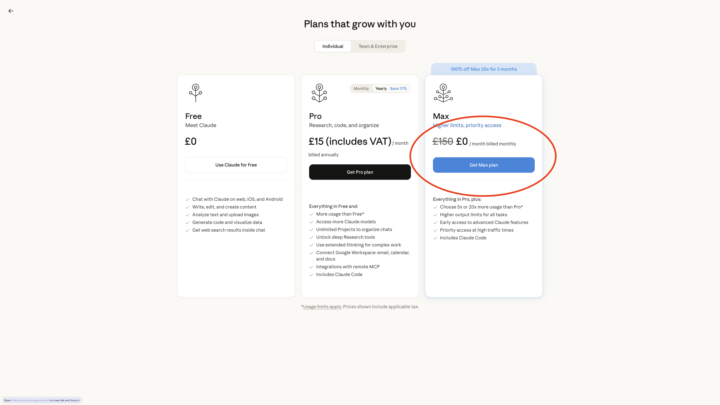
Just got 3 months of access to Claude Code (Max plan).
I’m going to use it aggressively. Not for prompts, but for output. Here’s how I’m thinking about it 👇 Most people treat AI like: → Google → StackOverflow → A fancy autocomplete That’s a waste. I’m treating it like: • A junior engineer that writes first drafts • A reviewer that spots edge cases • A refactoring partner • A test + docs generator What I’ll be using it for • Scaffolding features fast • Refactoring ugly code safely • Writing tests I usually “skip for now” • Explaining unfamiliar codebases in plain English Goal for the next 90 days: 👉 Ship more without burning out 👉 Spend time on decisions, not typing I’ll share: • What actually worked • What was hype • Real examples (code, workflows, wins, failures) Question for you: If you had Claude Code Max for 3 months, what would you automate or build first? Drop it below 👇
0 likes • Jul 14
I'd immediately plug it into a clean project tracker to automate my daily development sprint. I got so tired of manual tracking that I switched to Floment AI, which directly links daily tasks and project cards to your AI chats so you can actually execute on those drafts without getting lost in terminal context.
1-6 of 6

@tony-iverson-7089
Building things online and trying to optimize my daily workflow. Here to learn from founders who are a few steps ahead.
Active 2h ago
Joined Jul 10, 2026
Powered by