Activity
Mon
Wed
Fri
Sun
Jun
Jul
Aug
Sep
Oct
Nov
Dec
Jan
Feb
Mar
Apr
What is this?
Less
More
Owned by Teresa
Learn how to improve your writing with clear, practical editing support.
The Reader’s Review is a home for thoughtful readers who enjoy close reading, reflective discussion, and intelligent conversation about literature.
Memberships
HEARTSTRINGS & HANDCRAFTS
17 members • Free
Curiosity Cottage
21 members • Free
Roots Of England
58 members • Free
The Humanities
73 members • Free
The Writing Income Academy
31 members • Free
Leadership Skool
1.4k members • Free
The Journaling Community
216 members • Free
INFLAMELESS LIVING
88 members • Free
PSY Book Club
13 members • Free
41 contributions to The Writing & Editing Studio

4d •
Top Tips for Authors Sending Work to an Editor or Proofreader
1. Know what service you need. Editing and proofreading are not the same thing. Editing looks more deeply at clarity, structure, wording, and consistency. Proofreading is the final check before publication. 2. Send the cleanest version you can. Do not send a messy first draft unless you are asking for developmental help. Fix obvious mistakes, remove notes to yourself, and make the manuscript as complete as possible. 3. Be honest about your budget and deadline. Good editing takes time. A rushed job may cost more, and a low budget may limit what can realistically be done. 4. Choose the right professional. Look for someone with suitable experience, training, or subject knowledge. Once you choose them, trust their expertise. 5. Give a clear brief. Explain what kind of help you want. Do you want a light polish, detailed copyediting, proofreading, formatting checks, or feedback on structure and flow? 6. Send all the necessary files.Include the manuscript, style sheet if you have one, brief, deadline, publishing plans, and any specific instructions. 7. Mention your preferences. Tell the editor about spelling choices, tone, audience, formatting requirements, or words and phrases you want to keep. 8. Be available for questions.Your editor may need to query unclear wording, missing information, or inconsistencies. Try to respond in good time. 9. Do not create artificial urgency. Editors and proofreaders usually have other projects booked. Give as much notice as possible and avoid last-minute deadlines unless absolutely necessary. 10. Respect the professional relationship. Treat your editor or proofreader as part of the team helping you make the book better, not as someone simply “fixing mistakes”. 11. Be open to feedback.Comments and tracked changes are not personal criticism. They are there to help the work become clearer, stronger, and more professional. 12. Understand that not every suggestion is compulsory. You remain the author. But if your editor raises the same issue several times, it is worth taking seriously.
1
0

8d •
14-module self-editing course
A quick community update: I’ve now completed the full 14-module self-editing course, and I’m currently working through the final edit of the accompanying workbook. This course is designed to help writers edit their own work with more clarity, confidence, and purpose. It gives a practical overview of the self-editing process, helps demystify editing, and shows writers how to strengthen a draft before submission or before working with an editor. The workbook is being designed as a practical companion, with exercises and prompts to help you apply what you learn to your own writing. I’m really excited about this and looking forward to sharing more soon. What part of self-editing do you find most difficult:
Poll
Cast your vote
2
0

22d •
FRIDAY 10th April — Small wins still deserve celebrating 🎉
Before we head into the weekend, let’s take a moment to notice what did happen this week. Maybe you: ✨ opened your document ✨ wrote a few lines ✨ edited one paragraph ✨ made notes for later ✨ realised what has been blocking you ✨ gave yourself permission to go gently That all counts. Progress does not have to be dramatic to be real. ✳️ What is one small win from your week? And if you’d like, share one gentle next step for next week too ✨ #FridayWins #SmallWinsStillCount #WritingCommunity #WritersSupport #WritingLife #ProgressNotPerfection #GentleProgress #CreativePractice #KeepGoing #CelebrateSmallWins
2
0
23d •
THURSDAY 9th April — Soft check-in 🌿
A lot of us think that if we are not being very productive, we are somehow failing. But sometimes the real work is simply staying connected — even lightly — during busy or difficult weeks. So today’s check-in is this: No pressure. No judgement. Just an honest check-in. #WritersCheckIn #WritingCommunity #WritersSupport #GentleProgress #SmallStepsStillCount #ProgressNotPerfection #WritingLife #CreativeCommunity #KeepGoing #OneStepAtATime ✳️ Which of these sounds most like you right now?
Poll
1 member has voted
2
0
24d •
WEDNESDAY 8th April — Gentle writing prompt ✍️
Today’s prompt is a simple one: Write about something you have been meaning to return to. It could be: ✴️a piece of writing ✴️a habit ✴️a project ✴️a conversation ✴️a place ✴️a version of yourself Don’t worry about making it polished. Just write for 10 minutes and see what comes. You do not need to share the whole thing, but if you’d like to, post a line or two below 💛 #WritingPrompt #PromptAndShare #WritingCommunity #AmWriting #WritersSupport #BackToWriting #GentleWriting #SmallStepsStillCount #WritingLife #CreativePractice
2
0
1-10 of 41
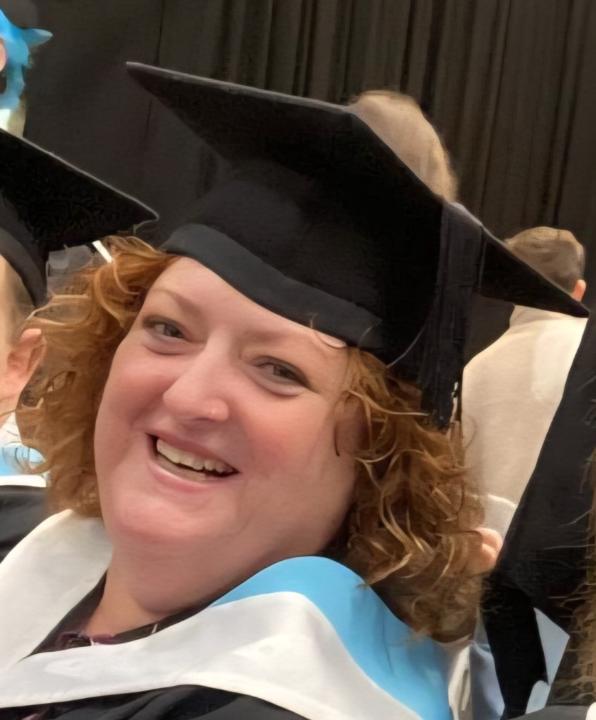
@teresa-heffernan-7328
Writer, editor & English tutor (CIEP). I help writers—especially ESL—draft, self-edit & polish work with kind, practical guidance.
Active 24h ago
Joined Feb 17, 2026
INFJ
Powered by