Activity
Mon
Wed
Fri
Sun
Jun
Jul
Aug
Sep
Oct
Nov
Dec
Jan
Feb
Mar
Apr
What is this?
Less
More
Owned by Te Aorangi
TTS is a family-led social enterprise that trains and employs young people to deliver digital safety support to our senior citizens.
"Join the Global Brotherhood of Safe Men —where we uplift each other into our best selves through connection, emotional growth and deepened spirit."
Memberships
The YouTube Academy
2.4k members • Free
Your First $5k Club w/ARLAN
28.1k members • Free
Pick Your Online Business
1k members • Free
Stealth Founders Club
1.5k members • $5/month
Together Against Scams
33 members • Free
⭐️The Skool Hub⭐️
5.3k members • $8/month
The Template Tribe
3.5k members • Free
GOOSIFY 🍎🐛🦋🌈⭐️🩷
12.9k members • Free
Community Builders - Free
10.5k members • Free
3 contributions to The Safe Man Collective

Dec '25 •
The True Measure of a Father’s Strength
By Te Aorangi Harrington (Te Iwi Morehu, Ngā Iwi o Te Tairāwhiti Whānui) E ngā matua, ngā tāne, ngā kaitiaki o ngā uri whakatipu – tēnei au ka tuku mihi ki a koutou. Your quiet hands shape futures. Your presence, more than any speech lays the foundations our tamariki stand on. As a father of four, a therapist, and someone who has sat with the full weight of fatherhood in my lap, I’ve come to realise something simple, yet profound: strength is not in volume, but in presence. The true measure of a father’s strength is not how loud his voice is, but how steady his aroha is. The Quiet Fortress Some fathers think they have to perform to be “real men” to be loud, to be right, to be strong in ways that dominate. But the most powerful fathers I’ve met are not the loudest in the room. They’re the ones who show up, over and over, without needing to be seen. I think of one of my clients Matene, a solo dad raising two sons after a rough separation. When he first came to therapy, he said something I’ll never forget: “I’m not the type to talk about feelings. I just want to be a good dad.” Matene wasn’t flashy. He worked long hours in a job he didn’t love. Every spare moment went into raising his boys, homework, sport runs, kai on the table. But when he sat in my room, he felt like he wasn’t doing enough. “I’m not affectionate like their mum was. I just try to keep everything going.” What Matene didn’t realise was that his daily, consistent actions were shaping his tamariki’s sense of safety. His boys didn’t need speeches they needed what he already gave: reliability, protection, patience. He started to realise that love isn’t always about hugs and words. Sometimes it’s about presence that doesn’t flinch even on the hardest days. His turning point came when his youngest said, “Dad, I always feel safe when you’re here.” That’s the legacy our tamariki carry when we lead with presence, not performance. Strength in Stillness: A Second Story Another client I worked with, Wiremu, came from a long line of strong, stoic men. Raised to “tough it out,” emotions weren’t welcome growing up. When his wife passed suddenly, he was left to raise his teenage daughter alone. Grief overwhelmed him, but instead of expressing it, he buried it deep.
0
0
Oct '25 •
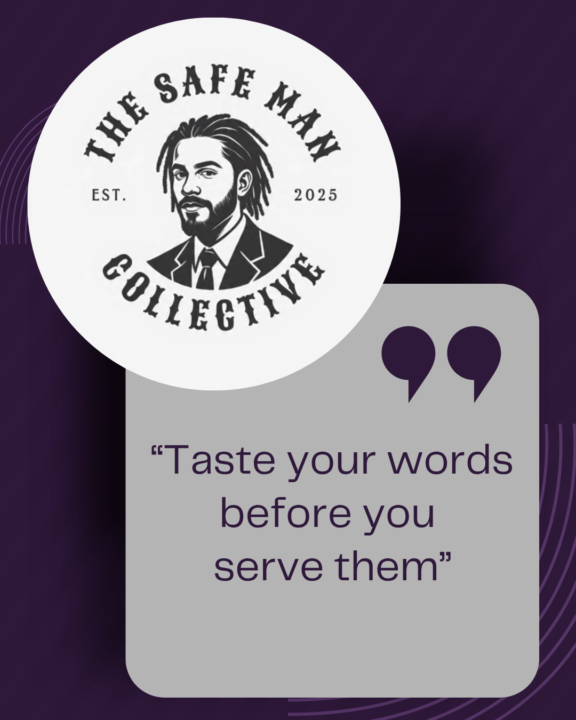
“Taste your words before you serve them”
A Quote - He Whakaaro - A Thought “Taste your words before you serve them” is a reminder that language carries wairua, it can heal, or it can harm. To taste our words is to pause before we speak, to check the flavour of our thoughts and intentions. Are they bitter with ego, or seasoned with compassion? Words once spoken cannot be unspoken, they linger in the hearts of others like echoes in a room. This simple act of reflection transforms communication into a spiritual practice, a discipline of empathy, humility, and grace. When we learn to savour silence before we speak, our words become nourishment rather than noise, food for peace, not fuel for pain.
0
0
Sep '25 •
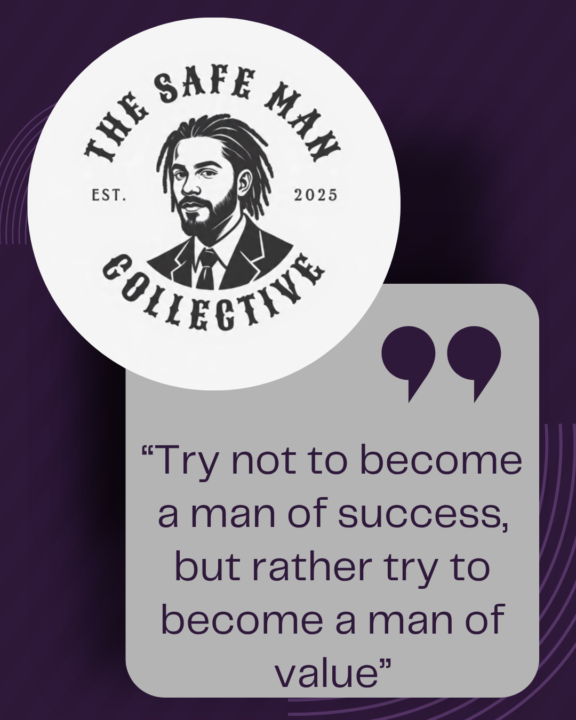
Quote - Try not to be a Man of Success, but rather try to become a Man of Value
Einstein’s quote, “Try not to become a man of success, but rather try to become a man of value,” hits deep when you’re trying to live right. It’s not about flexing with money, status, or clout—that stuff comes and goes. Instead, it’s about being that solid guy who shows up for others, stays true to his principles, and makes a real difference. Think about being the guy who’s got your back, who listens, or who stands firm for what’s right, even when it’s tough. That’s the kind of value that builds respect and leaves a legacy, way beyond any temporary win. Keep it real, and focus on what makes you a man worth remembering.
0
0
1-3 of 3

@te-aorangi-harrington-7312
Kia ora from Turanganui-a-Kiwa, Gisborne Aotearoa, New Zealand. My life's calling: Radiate aroha - love and manaakitanga - kindness to uplift others
Active 3d ago
Joined Aug 22, 2025
Gisborne