Activity
Mon
Wed
Fri
Sun
Aug
Sep
Oct
Nov
Dec
Jan
Feb
Mar
Apr
May
Jun
Jul
What is this?
Less
More
Owned by Tanya
Small Town Stylist Collective was created for hairstylists building careers in small towns and rural communities who are craving support & connection.
Memberships
✨ Digital Boss Hub ✨
1k members • $2/month
🔹Digital Boss Skool Hub🔹
735 members • Free
Scale Your Brand
469 members • Free
The Energized Hairdresser
128 members • Free
Soul
566 members • $49/month
Six Figure CEO Society
306 members • Free
Royale Business Institute
4.2k members • Free
UGC Made Simple
57 members • Free
Deal Hub
432 members • Free
2 contributions to Simcha Healthcare

🔥
3d •
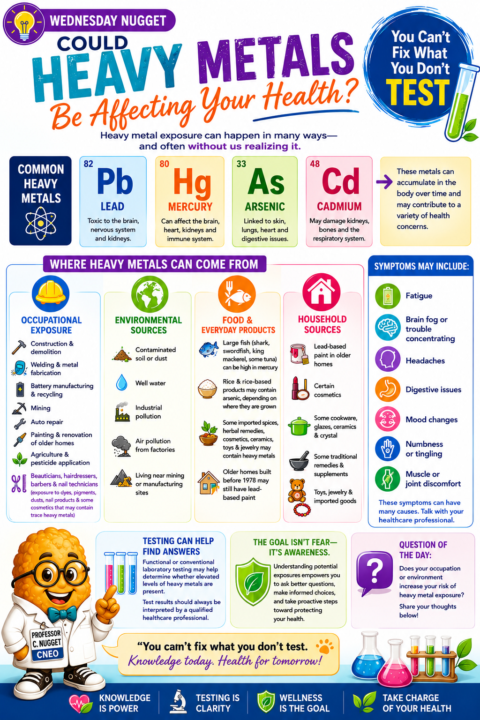
Wednesday Nugget: Could Heavy Metals Be Affecting Your Health?
When people think of heavy metal exposure, they often imagine a factory or contaminated water. But the truth is, exposure can happen in many ways, and often without us realizing it. Common heavy metals include lead, mercury, arsenic, and cadmium, and they may come from: Occupational Exposure - Construction and demolition - Welding and metal fabrication - Battery manufacturing and recycling - Mining - Auto repair - Painting and renovation of older homes - Agriculture and pesticide application - Beauticians, hairdressers, barbers, and nail technicians, who may have repeated exposure to certain hair dyes, pigments, dusts, nail products, and some cosmetics that can contain trace amounts of heavy metals or other potentially harmful chemicals Environmental Sources - Contaminated soil or dust - Well water - Industrial pollution - Air pollution from factories - Living near mining or manufacturing sites Food & Everyday Products - Large fish (such as shark, swordfish, king mackerel, and some tuna) can contain higher levels of mercury. - Rice and rice-based products may contain arsenic, depending on where they are grown. - Some imported spices, herbal remedies, cosmetics, ceramics, toys, and jewelry have been found to contain heavy metals. - Older homes built before 1978 may still contain lead-based paint. Heavy metal exposure doesn't always cause obvious symptoms, but in some people it may contribute to: - Fatigue - Brain fog - Headaches - Digestive issues - Mood changes - Numbness or tingling - Muscle or joint discomfort These symptoms can have many different causes, so it's important not to assume heavy metals are the reason. However, if you have ongoing unexplained symptoms or known exposure risks, functional or conventional laboratory testing may help determine whether elevated levels are present. Test results should always be interpreted by a qualified healthcare professional within the context of your overall health.

🔥
1 like • 3d
Hairstylist ✂️ here, and experiencing ALL the symptoms.. I had a sensitivity blood test done and it came back high aluminum for heavy metals.. how would I detox that?
🔥
1 like • 17h
@Dr. Peninah Wood Ph.D thank you!! I'll try that

🔥
3 likes • 25d
[attachment]
1-2 of 2
🔥
@tanya-orr-7133
Small Town Stylist Collective skool. Inspiring hairstylists to design a life they love, behind and beyond the chair. 🇨🇦 25+ yrs experience
Active 13h ago
Joined Jun 1, 2026
New Brunswick
Powered by