Activity
Mon
Wed
Fri
Sun
Nov
Dec
Jan
Feb
Mar
Apr
May
Jun
Jul
Aug
Sep
Oct
What is this?
Less
More
Owned by Tammy
A place to learn techniques for socialization and creating the best environment for cattledogs to excell and live happy with thier families.
Exploring Peptides Community
23.2k
5.0
Free
10 contributions to Bear Mountain Cattledogs

Jul 1 •
4th of July Stress for Dogs.
With the 4th coming up here is a little education on a natural Amino Acid! L-theanine is a naturally occurring amino acid found in green tea that acts as a calming supplement for dogs. It reduces stress, anxiety, and noise phobias (like thunderstorms) by increasing relaxation-inducing neurotransmitters without causing sedation. Benefits & Use: Non-sedating: Promotes a calm, alert state.Stress relief: Helps dogs cope with environmental stressors, fireworks, travel, and veterinary visits. Behavioral aid: Often paired with behavior modification programs to help dogs learn. It is non-habit-forming and safe for long-term daily use or for short-term situational stress. I have been using it with great success in several heelers here at Bear Mountain Retirement and Rescue program. The recommended dose is 100mg for every 10lbs of weight. It is tasteless, odorless and I open the capsules and put in on thier food or in yogurt.
1
0
Jul 1 •
Slow to Sudden Behavior Changes
Latent or dormant behavior in post-trauma dogs refers to suppressed survival responses that suddenly resurface when triggered by an environmental or sensory cue. Because dogs store trauma physically and emotionally, deeply conditioned responses—like freezing or submissive urination—can emerge without warning even after long periods of behavioral improvement. How Latent Trauma ManifestsLatent PTSD symptoms in dogs often look like hypervigilance or regression to past survival strategies. Common indicators include:Avoidance & Freezing: Shying away from specific people, leashes, or rooms associated with a past negative event. Reactivity & Aggression: Sudden, out-of-proportion reactions to harmless environmental triggers like loud noises or quick movements.Sensory Triggers: Showing sudden fear (pacing, panting, shaking) triggered by specific smells, sounds, or visual cues from the original trauma. Physiological Shifts: Sudden bouts of diarrhea, gastrointestinal sensitivity, or insomnia even when the dog appears calm.How to Help Them RecoverBecause these ingrained responses are never fully erased from the brain, successful management focuses on overshadowing the old tendencies with new, positive associations. Positive Reinforcement: Use a desensitization and counter-conditioning approach by pairing small triggers with highly valued treats or playtime.Vigorous Play: Daily, active play can release brain chemicals that help replace fearful, locked-in memories with new, happy ones. Veterinary Support: If your dog's reactions are severe, consult your veterinarian. They can prescribe anti-anxiety or antidepressant medications to help lower baseline anxiety.
1
0
Feb 27 •
Over breeding
The creators of Bluey should be responsible for creating the nightmare that has occurred in the Australian Cattle Dog world. The Series about a blue Heeler named Bluey was developed in 2018 and focused on imaginative play, family life, and emotional development, with episodes often turning everyday activities into adventures. It's praised for its realistic family dynamics, humor that appeals to all ages, and positive portrayal of parenting ( per Wikipedia). The aftermath of the series is heartbreaking for our Beloved Heelers. The rise in the numbers of heelers has been dramatically driven by those wanting to own a "Bluey". Backyard breeders whose only desire was and is to make money at the expense of the heelers have severely overpopulated the blue heelers without one thought to genetics and health of the dog. Lack of education to buyers from breeders has not helped the dumping to back roads or surrender to high kill shelters. The heeler is very "genetically" preprocessed to bonding with one human and only tolerating others. When dumped they shut down often completely because of that bond. As an owner, selective breeder, and now 501c3 Retirement and rescue for cattledogs I see thier bonding, thier shut down, and often thier response is to show teeth and snapping due to the stress. Which should never have happened if they were very selectively placed with families who are educated in the breed. I will continue to work at educating people and making sure the heelers who come here are given a chance to live as they should without facing unnecessary euthanization. This last weekend was a very special weekend. Two of the heelers From Bear Mountain found thier forever families. Millie a working SD has her new job with a Marine Vet and Peaches has her humans she is totally in love with and they love her. To know they will be safe and loved is why I am beyond particular where these precious heelers are homed. There will be more awesome placements in the future. Stay tuned in. Thank you all for your support and God Bless.
1
0
Feb 27 •
Spay and Neuture
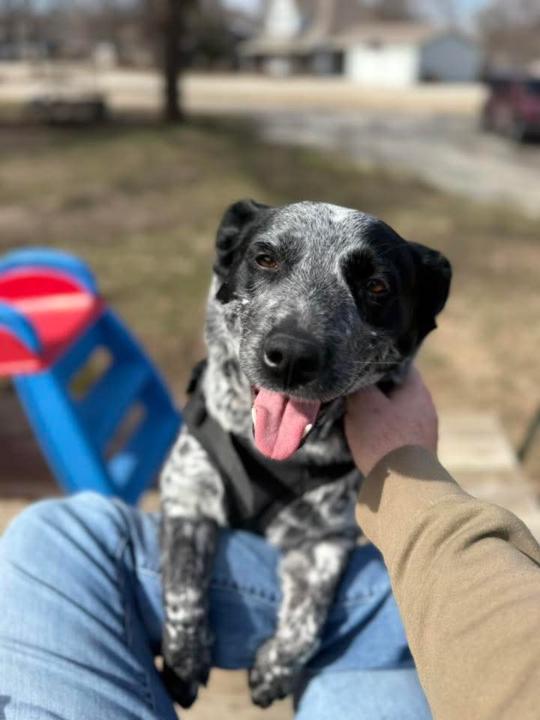
I have researched this topic frequently on neutering and spaying before 1 year. This was recently updated. I stand firm on my beliefs and concerned about the heelers health. You can prevent breeding with caution and monitoring breeding cycles. I will admit during those times it can get crazy but it's a healthy choice for your heelers. As a result of Buckeye being nuetured at 3 months he has been left with weakened bones. At 1.5 yrs he has frequently had sore joints from jumping and landing hard. The damage has been done by early nueturing.. Spaying or neutering dogs before skeletal maturity (often <1 year) can disrupt bone development, specifically by delaying the closure of growth plates. This causes long bones to become longer, changing joint angles and increasing the risk of orthopedic disorders like hip dysplasia, CCL tears, and elbow dysplasia, particularly in large breeds. The Pet Hospitals Key Impacts on Bone and Joint Health Delayed Growth Plate Closure: Sex hormones (estrogen/testosterone) signal growth plates to close. Without them, bones grow longer, creating joint instability and increasing orthopedic risks. Increased Orthopedic Risks: Studies show early sterilization (before 5.5–12 months) can double or triple the risk of hip dysplasia and Cranial Cruciate Ligament (CCL) tears. Large Breed Vulnerability: Large and giant breeds (e.g., Golden Retrievers, Labradors) are more prone to these issues because their growth plates close later (up to 12-15 months or more). Increased Cancer Risk: Early sterilization is also linked to a higher incidence of bone cancers like osteosarcoma. Wellesley Veterinary Clinic General Recommendations Large Breeds: Veterinarians often advise waiting until 12–24 months (full skeletal maturity) to avoid joint issues. Small Breeds: The risk to bone health is much lower in smaller dogs, allowing for earlier sterilization. The Animal Hospital While early spay/neuter helps control pet overpopulation and prevents certain cancers (e.g., mammary tumors), it is crucial to balance these benefits against the potential for long-term bone and joint issues in individual dogs.
0
0
Jan 22 •
Petting a Heeler
Shared Petting a Heeler Etiquette : To approach an unfamiliar Heeler, ask the owner first, then move slowly from the side in an arc, avoid direct eye contact, keep your hands down, and let the dog initiate sniffing and interaction; be patient, speak softly, and respect their space, as Heelers are naturally cautious and protective of their territory. Before you approach Ask the owner: Always get permission from the owner first, as some Heelers are wary of strangers, says Hauptman, O'Brien, Wolf & Lathrop. Don't rush: Heelers can be suspicious; rushing can trigger their protective instincts, note the AuCaDo and Facebook posts. How to approach Sideways & slow: Approach in a slight arc, not head-on, with your body turned sideways to appear less threatening. Avoid eye contact: Direct staring is seen as a challenge; blink often and use soft, indirect eye contact. Stay calm: Keep movements fluid and avoid sudden actions or high-pitched noises, suggests the Wisconsin Pet Care website. Get low: Crouching down can make you seem less intimidating, according to Global Strays. Let them sniff: Keep your hands at your sides or offer the back of your hand palm-down for them to sniff, notes Global Strays and Good Guys Injury Law. What to do next Let them lead: Allow the dog to approach you and dictate the pace of the interaction, says the Dog Trainer College. Pet appropriately: If they seem comfortable, pet their chest, chin, or sides, but avoid their head or ears initially. Be patient: It can take time for a Heeler to trust, so be prepared to go slow and respect their boundaries, say users on Facebook.
1 like • Feb 25
Exactly!
1-10 of 10

@tammy-mosier-4287
At Bear Mountain Cattledog Retirement and Rescue, we are providing senior retirement where they can live protected without threat of euthanization.
Active 21d ago
Joined Nov 13, 2025