Activity
Mon
Wed
Fri
Sun
Aug
Sep
Oct
Nov
Dec
Jan
Feb
Mar
Apr
May
Jun
Jul
What is this?
Less
More
Owned by Tamesha
A supportive hub for autism moms 💙 Encouragement, wellness & creativity to thrive in body, mind & home.”
Memberships
Autism mom tips
58 members • Free
Autism Care With Carra
74 members • Free
Autism Metamorphosis
103 members • $15/month
Special Education skills
74 members • $1/month
The H9ve
2 members • Free
Skoolers
166.4k members • Free
9 contributions to Autism Care With Carra

May 18 •
“Not All Communication Uses Words”
Some children with autism communicate through energy, facial expressions, movement, sounds, touch, or presence instead of spoken language. That does not mean they are disconnected. Sometimes it means they are communicating in a deeper way that requires us to slow down and truly feel. A child leaning into you, bringing you an object, humming near you, holding your hand, or simply sitting beside you can be saying:“I trust you.”“I feel safe with you.”“I want connection.” The same way intuition speaks softly to us without words, children with autism often communicate through emotion, energy, patterns, and senses. Connection is not always verbal. Love is not always loud. Understanding can exist in silence too. 💙 ✨ Reflection Question:Have you ever felt deeply connected to a child without a single word being spoken?
2 likes • May 18
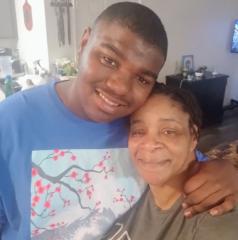
Yes, this is so true! My son shows his connection all the time without words, I can feel it, and he knows it...😊
Mar 11 •
The Teenage Years and Children with Autism
The teenage years bring major life transitions for children with autism. Teens are expected to: • Manage stronger emotions • Understand complex social relationships • Become more independent • Prepare for adulthood However, many teens with autism still benefit from the same supports that helped them when they were younger. Helpful strategies: • Continue structured routines • Teach independence step-by-step • Use direct communication • Create safe spaces for emotional regulation One important reminder for caregivers: Just because a child gets older does not mean their support needs disappear. Growth happens best when support evolves with the child.
3 likes • Mar 11
Love this.. ❤️ Totally agree!
2 likes • Feb 27
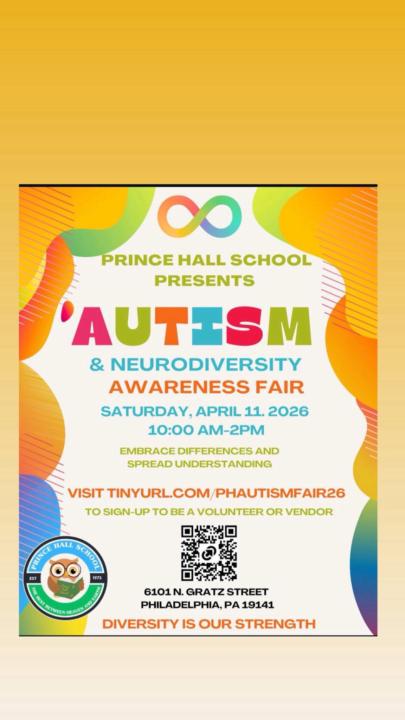
These are wonderful resources! Thank you for sharing...😊
Feb 26 •
Transition Triggers
The 3 biggest transition triggers 👇 1️⃣ Leaving a preferred activity 2️⃣ Moving to a non-preferred demand 3️⃣ Unclear expectations Fact: Studies show children with autism may struggle more when shifting from high-interest activities to low-interest tasks due to differences in reward processing and flexibility. Instead of: “Time to stop. Let’s go.” Try: “Two more minutes of iPad, then dinner.” Use a visual timer. Let them push the timer button. Giving small control reduces power struggles. Behavior is communication. What is your child communicating during transitions? — Carra Care 💛
1 like • Feb 26
Justin, I believe is communicating his needs! And with that being said he knows a little sign language, gestures, AAC, and PECS! However he's not really into the AAC, and so he had a IEP recently and we decided to go back to the PECS system which is what he was introduced to in preschool. So far he is doing well with PECS. And in turn, that has helped with his behavior and some meltdowns!
Feb 25 •
Let's Transition
Transitions can be one of the most challenging parts of the day for children with autism. Here’s why: • Many children with autism thrive on predictability • Sudden changes can trigger anxiety • Executive functioning skills (planning, shifting attention) may be delayed • They may hyper-focus on a preferred activity • Sensory shifts (noise, lighting, people) can feel overwhelming Research shows that difficulty with transitions is often linked to anxiety and difficulty with cognitive flexibility — not “noncompliance.” When behavior escalates during transitions, ask yourself: 👉 Is this resistance — or is this overwhelm? ✨ Try this today: Give a 5-minute warning + a 2-minute warning + a visual cue. Consistency builds safety.Safety reduces behavior. — Carra Care 💛
1 like • Feb 25
I'm going through difficult transitions with my son who is 17 and nonverbal. I'm going to try this with him.
1-9 of 9
@tamesha-jones-6317
Autism & ADHD mom 💜 Encouraging moms, grandmothers, and caregivers with wellness, nutrition, creativity & hope while raising amazing kids.
Active 10d ago
Joined Feb 13, 2026
Sacramento