Activity
Mon
Wed
Fri
Sun
Aug
Sep
Oct
Nov
Dec
Jan
Feb
Mar
Apr
May
Jun
Jul
What is this?
Less
More
Memberships
Dakoda Herbals Academy
133 members • Free
Read SkoolMagazine Here
315 members • Free
April Joy Wellness
69 members • Free
Immune Resilience Lab
8 members • Free
Your Long Covid Transformation
69 members • Free
Shrink Rap
1.1k members • Free
HolisticAmerican-HealthAcademy
3.6k members • Free
Journey on Nature's Path
476 members • Free
Living Soil Community
1.3k members • Free
22 contributions to Dakoda Herbals Academy

2d •
Weekly Materia Medica Series: Therapeutic Terms A-Z
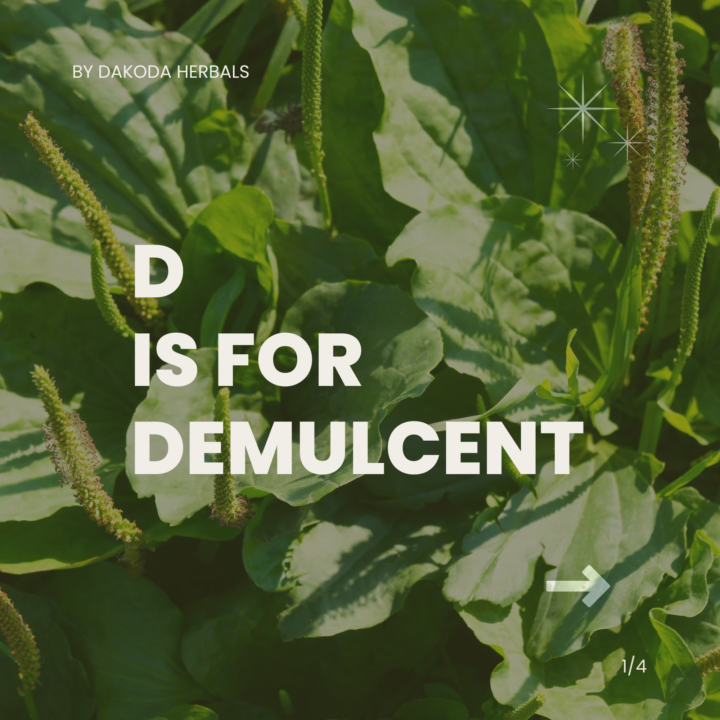
Happy Thursday! I apologize for my absence this week! Ya girl has been dealing with relentless migraines and had to get a nerve block yesterday that took me out! 😂 All brand new now! D is for Demulcent! One of the first therapeutic terms every herbalist should know is demulcent. A demulcent is an herb rich in natural mucilage, a slippery, gel-like substance that coats and soothes irritated tissues. Think of it like a comforting blanket for inflamed mucous membranes. These herbs have been used traditionally to support: + Dry, scratchy throats + Persistent coughs + Digestive irritation + Acid reflux + Urinary tract irritation + General dryness of mucous membranes Some classic demulcent herbs include: 🤍 Marshmallow Root (Althaea officinalis), famous for its abundant mucilage and soothing effects on the throat and digestive tract. 🤎 Slippery Elm (Ulmus rubra), traditionally used to calm sore throats, coughs, and digestive discomfort. (Its bark is harvested, so it's worth sourcing from companies that prioritize sustainable practices.) 💛 Licorice Root (Glycyrrhiza glabra), a demulcent with additional anti inflammatory properties that has been used for thousands of years in traditional herbal systems. It should be used with caution by people with high blood pressure or certain heart or kidney conditions unless using deglycyrrhizinated licorice (DGL). 💚 Plantain Leaf (Plantago major or Plantago lanceolata), a common "backyard herb" that's traditionally used both internally and externally to soothe irritated tissues. One fun thing you'll notice as you study herbalism is that an herb can belong to multiple therapeutic categories. For example, licorice is considered a demulcent, but it's also often described as an adaptogen, anti inflammatory, and expectorant depending on how it's being used. Understanding therapeutic actions like demulcent helps you think beyond individual herbs and start understanding why they're chosen for certain situations. ✨ Have a favorite demulcent herb? I'd love to hear which one has earned a permanent spot in your apothecary!

1 like • 1d
Nice
4d •
Purslane or Spurge? Here's How to Tell the Difference!
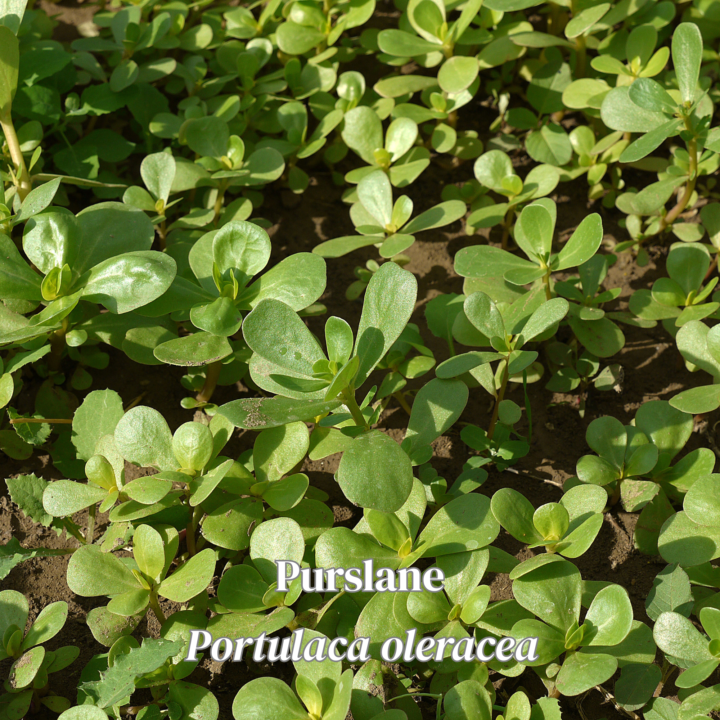
One of the questions I get asked most often is whether a plant is purslane or spurge and for good reason! At first glance, they can look surprisingly similar! Why might someone mistake spurge for purslane? Purslane and spurge share some basic characteristics: 1. They’re both creeping annual weeds 2. They both have red stems 3. They both have oval leaves 4. They favor the same growing conditions and are often found right next to each other Two common spurges resemble purslane. Prostrate spurge (Euphorbia prostrata) and spotted spurge (Euphorbia maculata) are very similar to one another. One of the easiest ways to tell spurge and purslane apart is by checking the sap! 🌿 Purslane (Portulaca oleracea) - Thick, fleshy, succulent stems - Smooth, spoon-shaped to elongated succulent leaves - Often has reddish stems near the base - Produces clear, watery sap - Edible when correctly identified ⚠️ Spurge (Euphorbia spp.) - Thinner, less succulent stems - Usually smaller, thinner leaves (some species have a dark spot) - Produces white, milky latex - Not edible and can irritate the skin and eyes - Though some spurge plants may not have white sap, if you find it, it can help you confirm you’ve got spurge One thing I love about purslane is that it reminds us not to judge a plant by the name "weed." It's incredibly nutrient-dense, containing omega-3 fatty acids, vitamins A, C, and E, along with magnesium, potassium, and many beneficial phytochemicals. 🌱 A Few Identification Tips Never rely on a single feature when identifying a wild plant. Instead, consider: - Stem texture - Leaf arrangement and thickness - Growth habit - Flowers and seed capsules - Sap color - Habitat The more characteristics you observe, the more confident your identification becomes. Question for everyone: Have you ever mistaken purslane for spurge, or found either growing in your own garden? I'd love to hear your experiences!
2 likes • 3d
great info
9d •
Weekly Materia Medica Series: Therapeutic Terms A-Z
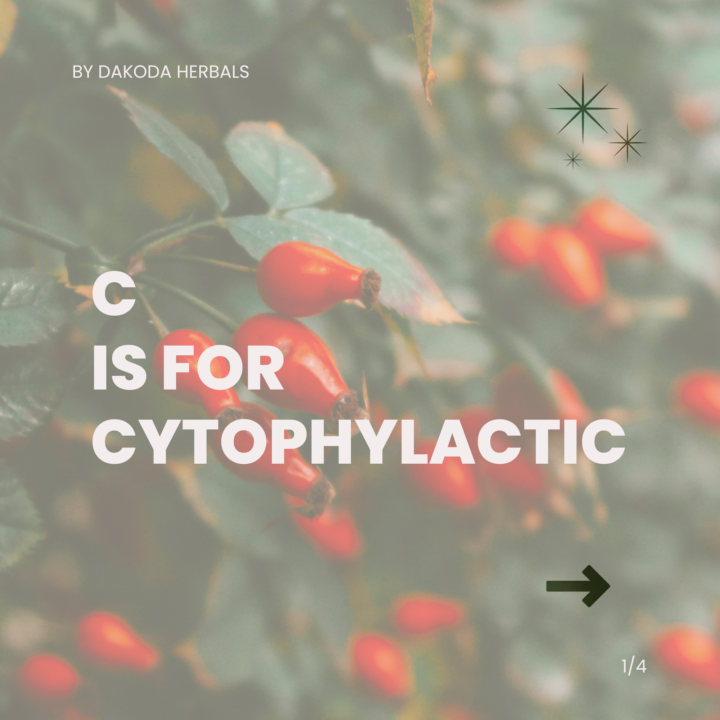
C is for Cytophylactic Welcome back to our Weekly Materia Medica: Therapeutic Terms A-Z series! One of the biggest hurdles when learning herbalism is all the unfamiliar terminology. My goal with this series is to break down these words into simple, practical concepts that you can actually remember and apply. This week's term is: Cytophylactic (sigh-toe-fill-AK-tik) The word comes from: - Cyto- = cell - -phylactic = protective So, a cytophylactic herb is traditionally described as one that helps protect cells and supports healthy tissue regeneration. Rather than magically creating new cells, these herbs are traditionally valued for supporting the body's own natural repair processes and maintaining healthy tissues. These herbs are often chosen to support: ✨ Skin health ✨ Tissue repair ✨ Healthy wound healing ✨ Connective tissue ✨ Overall cellular resilience Some classic examples include: Gotu Kola – Traditionally used to support connective tissue, collagen production, and wound healing. Rosehips – Rich in vitamin C, which plays an important role in normal collagen formation and tissue health. Lavender – Traditionally used topically to soothe irritated skin and support the healing environment of minor skin irritations. Frankincense – Traditionally prized in skincare and wound-care preparations for its soothing and skin-supportive properties. Let's discuss! Can you think of any other herbs that you would consider supportive for healthy tissue repair or skin health? Have you used any of these herbs yourself? Drop your thoughts below! 🌿👇 Stay tuned for nexts weeks term! As always, herbal traditions complement, not replace, professional medical care. Individual herbs have different safety considerations, so always research contraindications before use.
2 likes • 8d
Lavender is my favorite , calendula comes to mind for skin and dandelion. Will be making project to help with my eczema on my hands to hopefully help
2 likes • 7d
@Jim Flach hey
11d •
Plant Spotlight, Wood Sorrel (Oxalis)
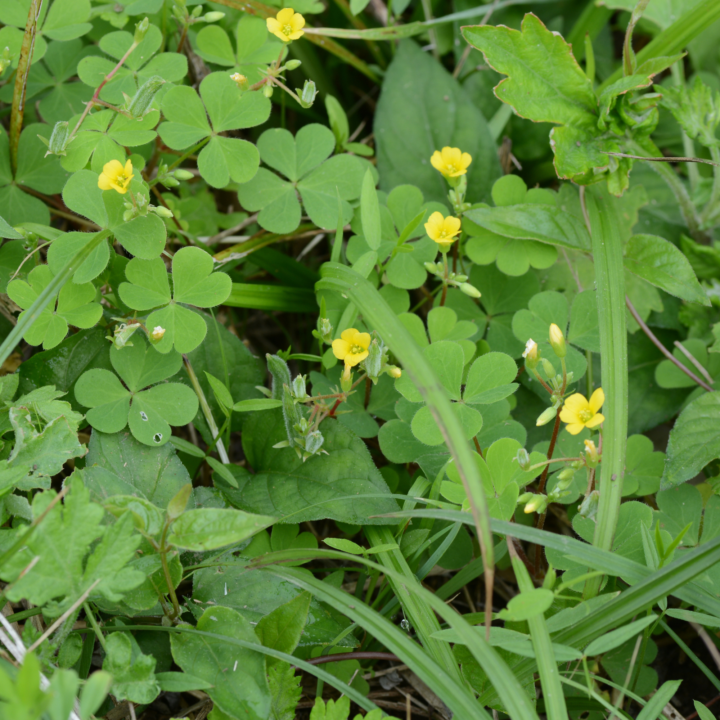
If you've ever seen tiny heart shaped leaves carpeting the ground and thought they were clover, there's a good chance you were actually looking at wood sorrel. Despite its common name, wood sorrel isn't related to true sorrel (Rumex species). Instead, it belongs to the genus Oxalis, a group containing hundreds of species found around the world. How did it get its name? The name Oxalis comes from the ancient Greek word oxys, meaning "sharp" or "acid," referring to its pleasantly tart flavor. The common name "wood sorrel" comes from both that sour taste and the fact that many species naturally grow in woodlands and shady forests. What does it taste like? The leaves have a bright, lemony, tangy flavor thanks to naturally occurring oxalic acid. Many people enjoy nibbling a leaf while hiking or adding small amounts to salads, soups, pestos, herb butter, or as a garnish. The cheerful flowers are edible too. Different types you may encounter: There are hundreds of Oxalis species, but these are among the most common: • Yellow Wood Sorrel (Oxalis stricta), one of the most widespread wild species in North America. • Creeping Wood Sorrel (Oxalis corniculata), a low growing species that often develops reddish stems and can spread quickly. • Violet Wood Sorrel (Oxalis violacea), a beautiful native species with striking lavender flowers. • Pink Wood Sorrel (Oxalis debilis), commonly grown as an ornamental in warmer climates. Although they vary in appearance, many species share the same characteristic heart shaped leaflets and tart flavor. Traditional herbal uses: Historically, wood sorrel has been used in small amounts in traditional herbal practices as: • A cooling herb. • A gentle digestive bitter and appetite stimulant. • A mild diuretic. • A source of vitamin C before citrus fruits became widely available in some regions. • A fresh poultice in some folk traditions for minor skin irritations and insect bites. Modern clinical research on wood sorrel as an herbal medicine remains limited, so most medicinal uses are based on historical and traditional practice rather than strong clinical evidence.
2 likes • 10d
this is the first one I did for my course project
15d •
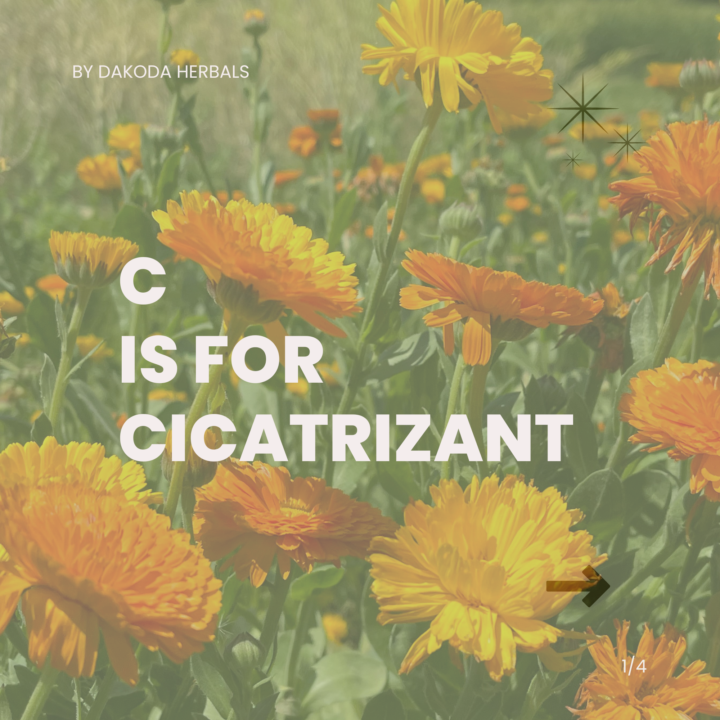
A-Z Therapeutic Terms: C is for Cicatrizant!
Happy Friday!! One of my favorite things about herbalism is that it gives us a language to describe how herbs work, not just what they're used for. This week's therapeutic term is cicatrizant! The word comes from the Latin cicatrix, meaning "scar." A cicatrizant is something that supports the body's natural wound-healing process by encouraging healthy tissue repair and helping wounds close efficiently. Many cicatrizant herbs are also anti-inflammatory and antimicrobial, making them wonderful allies for minor cuts, scrapes, burns, cracked skin, and other everyday skin irritations. It's important to remember that herbs don't magically "heal" wounds themselves. Rather, they support your body's own remarkable healing process by creating an environment that encourages tissue regeneration and healthy repair. Some of my favorite cicatrizant herbs include: + Calendula - One of the best known skin herbs. It supports healthy granulation tissue, calms inflammation, and is a staple in infused oils, salves, and creams. + Aloe vera - Instantly soothing for minor burns and irritated skin while helping maintain a moist healing environment. + Comfrey - Famous for its tissue-regenerating properties because of its allantoin content. Traditionally used externally for bruises, sprains, and minor wounds. (Because it can encourage skin to close quickly, it's generally recommended only for clean wounds and not deep puncture wounds.) + Gotu kola - A fascinating herb that has been studied for its ability to support collagen production and healthy scar formation, making it a favorite in both traditional medicine and modern skincare. As always, not every herb fits neatly into one category. Calendula, for example, is also vulnerary, anti-inflammatory, antimicrobial, and lymphatic. Therapeutic actions simply help us understand the many ways an herb may support the body. Question for the community: What cicatrizant herb do you reach for most? Are you team calendula, aloe, comfrey, gotu kola, or do you have another favorite?
2 likes • 14d
Nice information
1-10 of 22

Active 5h ago
Joined May 29, 2026