Activity
Mon
Wed
Fri
Sun
Jul
Aug
Sep
Oct
Nov
Dec
Jan
Feb
Mar
Apr
May
What is this?
Less
More
Owned by Stuart
Build a home studio, record your music, and go beyond the setup into production, promotion, releases, and income.
Memberships
Skool Growth Free Training Hub
7.9k members • Free
the skool CLASSIFIEDS
1.8k members • Free
Synthesizer: Free Skool Growth
42.3k members • Free
Home Studio Recording School
109 members • $19/m
Skoolers
185.4k members • Free
Grow Your Own Food 🌱
134 members • Free
Bootleg Recording
21 members • Free
18 contributions to Room to Record

3h •
The content slowly starts connecting...
One unexpected thing about building Room to Record is realising that the content slowly starts connecting together. What began as a simple 10-part series about building the studio is now turning into a proper downloadable guide combining: • the original posts; • studio photos; • layouts and planning; • workflow ideas; • reflections; • creative psychology, and; • all the strange little lessons that happen while trying to build a space you can actually use consistently. Originally I thought it would just be a small PDF bonus for the group. Instead, it’s slowly becoming: • a guide; • a visual diary; • a studio philosophy document, and; • the foundation for future classroom and video content. Which is apparently how creative projects work. You start trying to improve one room and accidentally build an entire ecosystem around it. Here are a couple of early preview pages from the document so far.
1
0
3d •
Building a Model Studio – When it’s time to Lego
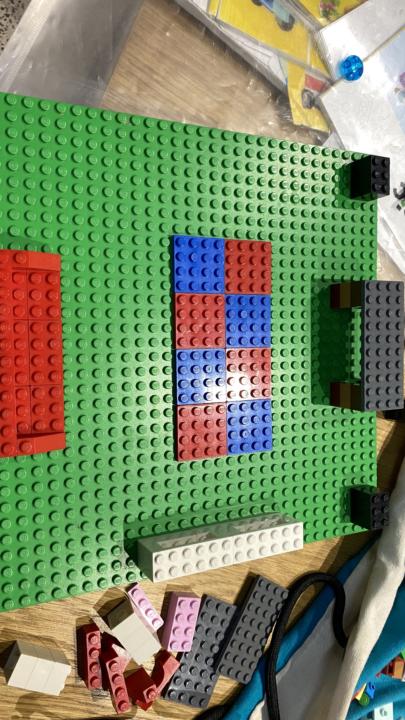
Sometimes you need to physically see the room before you fully understand it… I recently took my 6-year-old son to our local library where, alongside books and video games, they have a huge table full of LEGO. Usually I spend the time looking through the vinyl LPs or involuntarily colour-coding all the LEGO pieces like some kind of mildly broken designer goblin. But this time, without really thinking about it, I started building a model of the studio. At first it seemed silly. Then I realised it’s basically the same process. Moving furniture around. Testing layouts.Working out where things fit. Once Freddy finished making his amazing “super transparent car,” he realised what I was doing and immediately joined in. “We need the yellow carpet, Dad…” And suddenly we were thinking about workflow, movement, storage, sound, lighting and comfort. A lot of home studio advice online jumps straight to expensive gear, but the actual room matters more than people admit. The shape of the space. The listening position. Where cables collect. Where instruments end up. Where clutter starts. Whether the room actually makes you want to create. Sometimes creativity starts with experimentation that looks a bit ridiculous from the outside. Sketches. Tape on floors. Cardboard mockups. Why not LEGO? Tiny desks made from random bricks, while your kid explains why the dragon needs laser cannons. This process matters. Because eventually the room stops being an abstract idea and starts becoming a real creative environment built around how you actually live and work. And honestly, building creative spaces while raising kids probably deserves its own category entirely. There’s also something strangely appropriate about designing a creative space using the same kind of building process most of us grew up with in the first place. Tiny pieces. Gradual experimentation. Changing the plan halfway through. Making a mess. Rebuilding sections repeatedly until they finally feel right. Which, honestly, describes most home studios pretty accurately.
8d •
The Second Track from the Room...
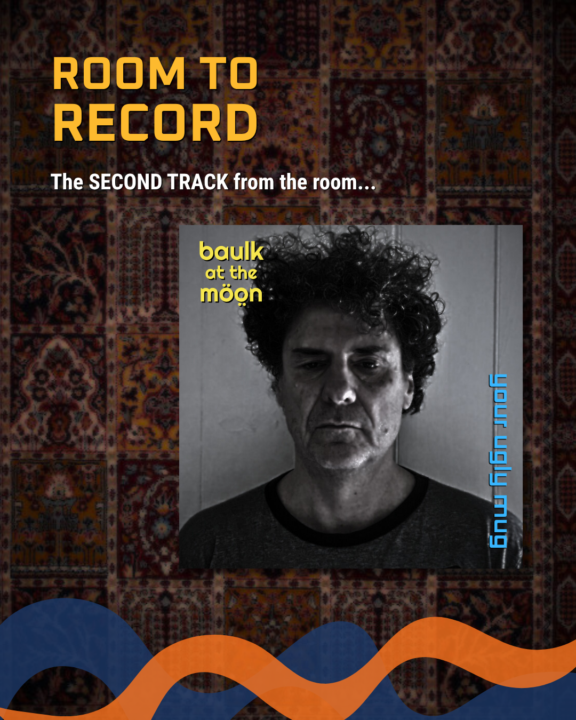
One of the unexpected things about building a home studio is that eventually it stops being about the room itself and starts becoming part of an ongoing creative process. After weeks of rearranging gear, testing setups, recording demos, changing layouts, fixing cables, and slowly turning the space into something functional, the room started to generate a steady stream of actual output. This is “Your Ugly Mug” — written by Tom Smith, and recorded as part of the ongoing collaboration between Baulk at the Möön and The Songs of Tom Smith. https://open.spotify.com/track/3cJ3ym6XEY1pSz67NqwskF?si=c392d02c17734b3b One thing I’ve realised through this process is that creativity rarely arrives under perfect conditions. Most songs happen somewhere between chaos, experimentation, self-doubt, technical problems, unfinished ideas, and the strange decision to keep going anyway. That’s probably what Room to Record is really about. Not perfection. Not expensive gear. Not waiting until everything is “ready”. Just building enough space — mentally and physically — for the work to keep happening. @roomtorecord #HomeStudio #Songwriting #RecordingStudio @baulkatthemoon @songs_of_tom_smith #MusicProduction
1
0
12d •
The Room Finally Started Making Music
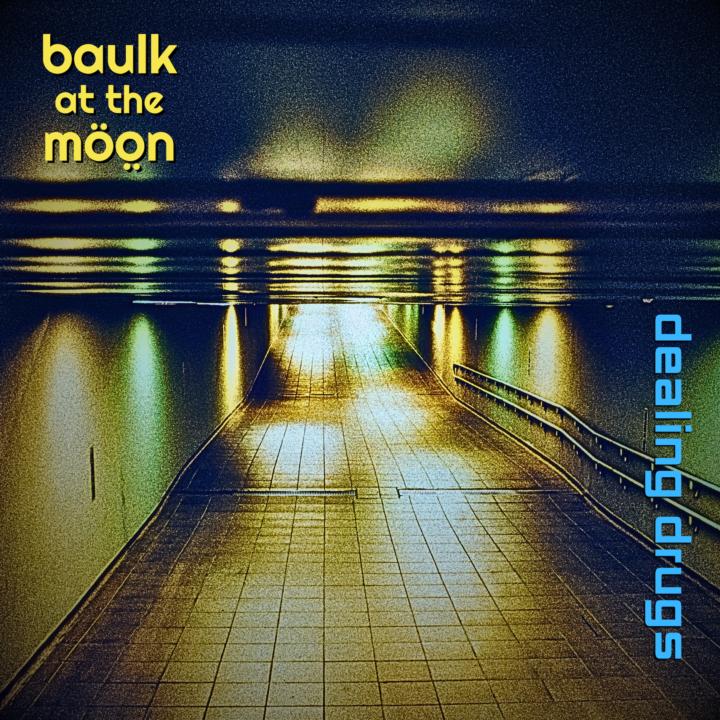
After spending weeks building, adjusting, reorganising, painting, tweaking, and slowly turning this space into something usable… eventually you have to stop working on the room and actually use it. That’s the part people don’t talk about enough. A home studio can quietly become a permanent setup project. There’s always another thing to improve. Another cable to fix. Another plugin to buy. Another video to watch. At some point though, the room has to justify its existence. So here is the first recording that came from the room finally becoming a place for actual output instead of endless preparation. “Dealing Drugs” was written by Tom Smith and recorded in the new home studio to meet an external deadline. It was later mixed and mastered at Hillside Studios by Matt Hills, before being released in January 2026 on The Glorious Rebirth… by Baulk at the Möön (more on that in a future post). https://open.spotify.com/track/33bw4zPtGm4KeMmwkbIczF?si=40edcd543fb14bf9 Tom’s original demo was a raw acoustic guitar-and-vocal recording captured on a mobile phone. It's also part of his forthcoming concept album about crime and justice. I approached the arrangement as a strange fusion of 90s grunge and hip-hop, which was completely new territory for me, and asked my friend Adam Szkolka to record the main vocals.
Apr 21 •
How I Built My Home Studio from Scratch
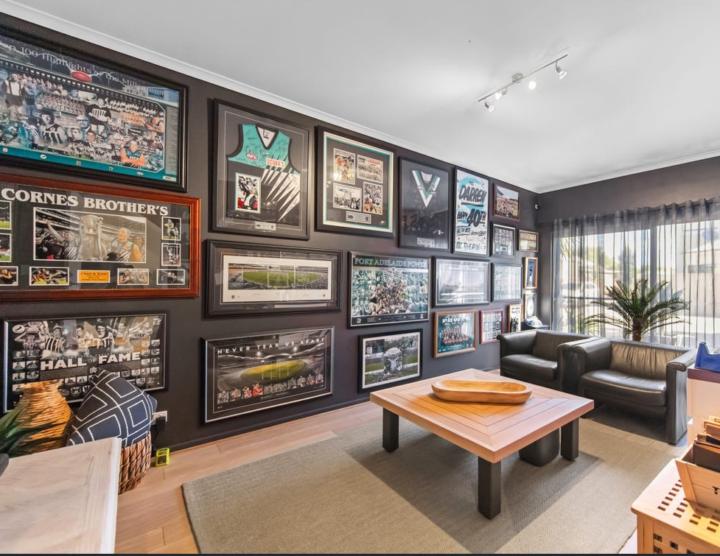
Part 1: Planning the Studio This is the first in a series of 10 posts about how I planned and designed this room, from before we even moved in, through to building a functional studio. About 12 months ago, my family and I moved into a new house. Part of the decision to buy it was this room. I knew from the start that it would become my office and studio space. The house is a three-bedroom, two-storey semi-detached home, and this room is essentially a converted garage. The previous owner had used it as a shrine to his favourite AFL team, which made it memorable for reasons both practical and deeply Australian. Image 1. This was the room when we first inspected the house. Not a studio yet, but I could already see the potential. It had laminate wood flooring, dark grey paint, and plenty of holes in the walls where framed pictures had been hung. The room measures 3.0 x 5.8 metres. Image 2. The floor plan showed the room as a 3.0 x 5.8m lounge on the ground floor. Before we had even made an offer on the house, I was already convinced this was the room. I even rushed out and bought some cheap second-hand ceiling insulation, which I’ll come back to in a later post. Once the purchase started moving forward, I began planning the layout. Using the real estate floor map, and my best memory of where the power points were, I made a simple Canva mock-up to work out where everything might go. It also helped me start thinking about what I needed to buy, what I could reuse, and what I’d need to sell or give away as part of the upgrade. Image 3. My rough first pass on the floor plan, working out the room size and main zones. Image 4. One early layout version, back when I thought I might fit the motorbike in there too. In the next post, I’ll share what the room looked like once it was empty, what I tackled first, and how it quickly went from blank space to crowded chaos to the start of a working studio. Have you ever planned out a studio, workspace, or creative room before moving things in?
1 like • Apr 22
@Antonia K I was less worried about the neighbours since the room is against their garage, but I did consider this and have asked them several times if they hear or are bothered by any noise - they have always said they don't hear anything at all (even one of my barking dogs!). I took some steps to limit sound escaping and reverberating, which will likely be covered in a post later this week :)
1 like • 17d
@Salters Davis I think it does depend a little on what you want to use it for. If you have enough space and want to record drums then I would go the basement, but drums are the game changer for many reasons. A basement could have a lot of advantages in terms of sound, privacy etc - less windows means less light but also less sound escaping….
1-10 of 18

Active 2h ago
Joined Mar 10, 2026
Adelaide, Australia