Activity
Mon
Wed
Fri
Sun
Aug
Sep
Oct
Nov
Dec
Jan
Feb
Mar
Apr
May
Jun
Jul
What is this?
Less
More
Owned by Stuart
Build your creative space in 30 days. Then use it to finish your next song, video, podcast or project.
Memberships
Guitar JAMsformation
18 members • Free
Songwriting Secrets
174 members • Free
Story-First Songwriting
235 members • Free
Community Builders - Free
11.6k members • Free
Skoolers
165.5k members • Free
Skool Growth Free Training Hub
8.8k members • Free
the skool CLASSIFIEDS
2k members • Free
Bootleg Recording
28 members • Free
Studio Team (KZMS)
118 members • Free
20 contributions to the skool CLASSIFIEDS

5d •
My current goals are...
1. First 20 members (currently at 16) 2. First $1 income 3. An actual MRR - maybe $100? 4. Fire emoji (2 weeks to go) I'm wondering if an actual income will make me care about Skool games? I havent been in the slightest bit interested so far, but wonder whether if i make a threshold income then do I morph into some kind of wrestler and start saying CRUSHHING all the time?
2
0

10d •
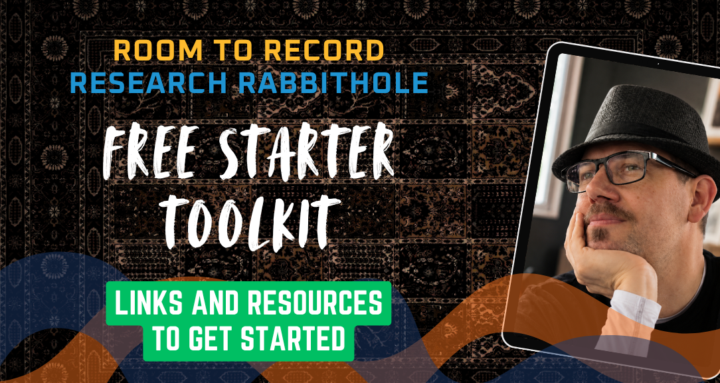
The Free Starter Toolkit is now live inside Room to Record.
It’s the first free course in the group: a practical collection of resources, prompts and starting points to help you plan your room, choose useful tools, avoid unnecessary gear spirals, and start making something. A few extra resource pages will keep growing, but the core Toolkit is ready now. No perfect room required. Just start. Join here: skool.com/room-to-record
2
0
16d •
Is this your main job?
I realised something this morning while reading about the fire emoji and how it works. I started my Skool group like many people, for a variety of reasons. One of those was friction and dissatisfaction in my day job, but also having the freedom to put time into something else with (huge) potential. This was a chance to do something fun, creative and even the idea of making money from it was nice if not the main goal. But over time as I think a lot of people are finding - it changes. It evolves, and it actually now looks like something VERY INTERESTING and rather FAMILIAR. I have actually rebuilt my day job. All the things I need to be doing to grow and monetise, all the content I am creating, all the lessons and experience and skills. This not only looks like a redesign of the day job - but is also NEEDS to be a day job. By that I mean I have been keeping it light and fun, so it’s been this side project that’s ticking loads of boxes. But to get to the next level - I think I need to Turn Pro (see Steven Pressfield’s book on this). In other words - stop enjoying the side project, and treat it like the main event. Turn up. Contribute. Engage. Stimulate. React. Discuss. Create. So now starts the next chapter. And I figured this was a great place to share it.
3
0
16d •
What else can you do for RESULTS?
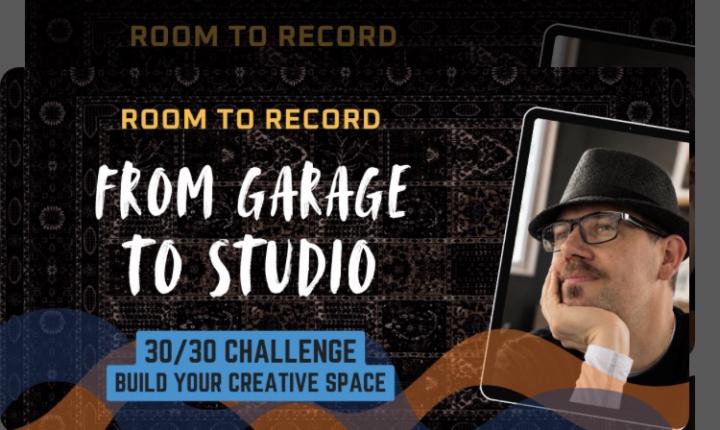
Hi everyone - of course we have all been talking about skool group cards a lot lately and i have updated mine several times. But I am just wondering what other things people have noticed making a difference to visitors, ranking, and general growth? I feel like i have suddenly been able to shift from creating content and planning, to creating content, planning AND engaging. But I am just wondering what people find has the most noticeable effect? I am guessing its not liking a ton of posts, although that does make the dots green!!
1
0

18d •
Trying out the Skool Image Templates
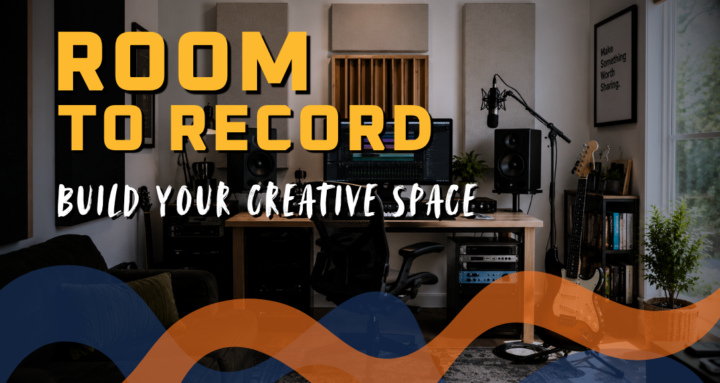
I've been experimenting a bit with my group image, since all the growth boost narrative from Kirby-Ovens and the spikes in attention we have been getting (I have gone from 6 to 13 members in the last week). Here's my current image (that I made after last week's skool news), and the one I am working on now based on the templates from Template Skool by Sal Frances (as mentioned in Skool News this week). Which one is better?
0 likes • 18d
@Mimi Ramsey yes I am a daily canva user - starting back when I got in trouble with other uni lecturers saying it wasn’t the proper industry tool hahahaha.
1-10 of 20

@stuart-baulk-9283
Helping creators build home recording spaces, beat creative friction, and turn ideas into finished output. Skool.com/Room-to-record
Online now
Joined May 23, 2026
Adelaide, Australia
Powered by