Activity
Mon
Wed
Fri
Sun
Aug
Sep
Oct
Nov
Dec
Jan
Feb
Mar
Apr
May
Jun
Jul
What is this?
Less
More
Memberships
Dakoda Herbals Academy
133 members • Free
2 contributions to Dakoda Herbals Academy

17d •
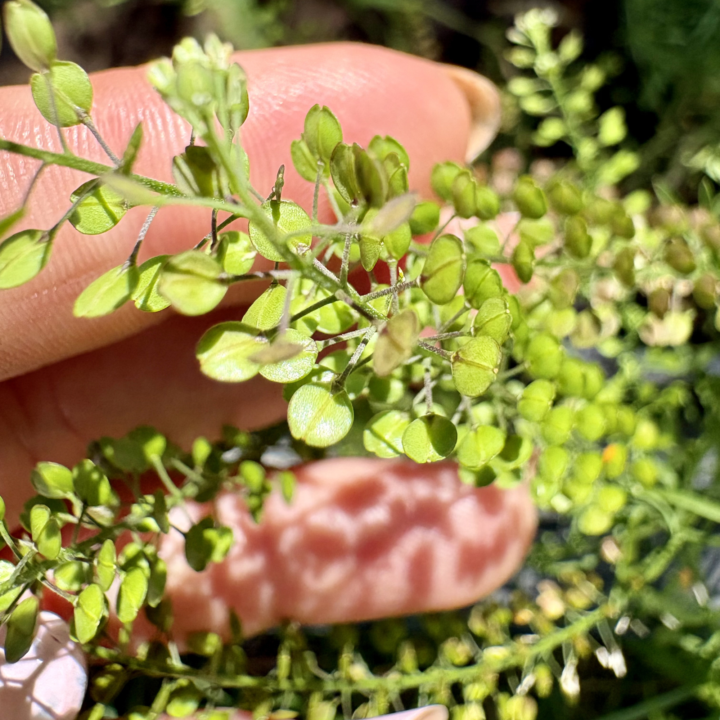
Wednesday Plant Spotlight: Virginia Pepperweed (Lepidium virginicum)
Happy Wednesday! Plant Spotlight: Virginia Pepperweed (Lepidium virginicum)! I was out exploring and came across a plant that many people walk right past without a second thought: Virginia Pepperweed!! You're coming home with me! (It was in my neighbors yard and we have an agreement that I can pick any of the "weeds" out of his yard before he mows them down. 💙) It's allso known as peppergrass, Virginia peppercress, poor man's pepper, and least pepperwort, this humble little member of the mustard family has a fascinating story! ⭐️ How it got its name: The genus Lepidium comes from a Greek word meaning "little scale," referring to its tiny flattened seed pods. The species name virginicum means "of Virginia." Many North American plants were originally described from specimens collected in Virginia and the surrounding eastern colonies, so the name stuck. And "pepperweed"? That's because the leaves and young growth contain the same family of compounds that give mustard, radishes, horseradish, arugula, and wasabi their spicy kick. When I crushed the leaves, they released a distinctly peppery, mustard-like aroma. ⭐️ How to identify it: Virginia pepperweed is a member of the mustard family (Brassicaceae) and typically has: • Tiny white four-petaled flowers • Narrow, often deeply toothed leaves • Tall branching stems • Hundreds of tiny flattened seed pods lining the stalks • A peppery scent when the leaves are crushed One thing that caught my attention was the seed pods. They look like tiny green coins strung along the stem, giving the plant a bottlebrush appearance. 🌎 Where you'll find it: This plant thrives in disturbed soil and is commonly found in: • Gardens, Lawns, Roadsides, Fields, Sidewalk cracks, Farm edges It is native to much of North America and has spread widely around the world. ⭐️ Historical food use: Virginia pepperweed has a long history as a wild edible. The young leaves were eaten fresh or cooked, and the seed pods were sometimes used as a substitute for black pepper when spices were expensive or difficult to obtain.

1 like • 3d
Foraged salad last weekend that was one of the ingredients. Found it last year in a local park. Loved the taste. Brought some seed pods home and I just rediscovered them and put them in soil a few weeks ago. Seedlings are up. Hoping it works well as a ground cover by my stone steps plus it will be right close for future salads.
11d •
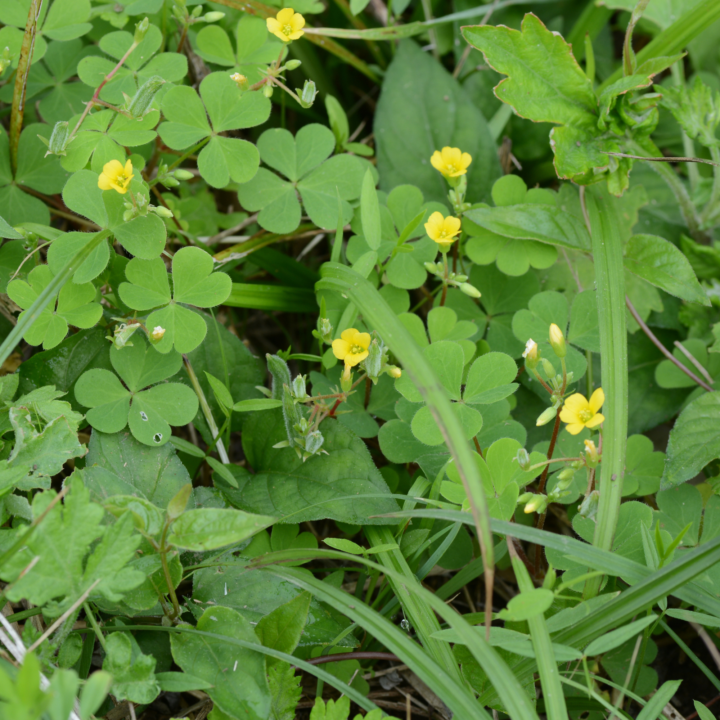
Plant Spotlight, Wood Sorrel (Oxalis)
If you've ever seen tiny heart shaped leaves carpeting the ground and thought they were clover, there's a good chance you were actually looking at wood sorrel. Despite its common name, wood sorrel isn't related to true sorrel (Rumex species). Instead, it belongs to the genus Oxalis, a group containing hundreds of species found around the world. How did it get its name? The name Oxalis comes from the ancient Greek word oxys, meaning "sharp" or "acid," referring to its pleasantly tart flavor. The common name "wood sorrel" comes from both that sour taste and the fact that many species naturally grow in woodlands and shady forests. What does it taste like? The leaves have a bright, lemony, tangy flavor thanks to naturally occurring oxalic acid. Many people enjoy nibbling a leaf while hiking or adding small amounts to salads, soups, pestos, herb butter, or as a garnish. The cheerful flowers are edible too. Different types you may encounter: There are hundreds of Oxalis species, but these are among the most common: • Yellow Wood Sorrel (Oxalis stricta), one of the most widespread wild species in North America. • Creeping Wood Sorrel (Oxalis corniculata), a low growing species that often develops reddish stems and can spread quickly. • Violet Wood Sorrel (Oxalis violacea), a beautiful native species with striking lavender flowers. • Pink Wood Sorrel (Oxalis debilis), commonly grown as an ornamental in warmer climates. Although they vary in appearance, many species share the same characteristic heart shaped leaflets and tart flavor. Traditional herbal uses: Historically, wood sorrel has been used in small amounts in traditional herbal practices as: • A cooling herb. • A gentle digestive bitter and appetite stimulant. • A mild diuretic. • A source of vitamin C before citrus fruits became widely available in some regions. • A fresh poultice in some folk traditions for minor skin irritations and insect bites. Modern clinical research on wood sorrel as an herbal medicine remains limited, so most medicinal uses are based on historical and traditional practice rather than strong clinical evidence.
1 like • 3d
I first realized they were everywhere after watching a video by blackforager where she calls the seedpods fairy pickles. We have yellow wood sorrel in my yard and a small patch of creeping wood sorrel I am trying to contain. My 9 month old granddaughter loves the fairy pickles.
1-2 of 2

@staci-gibson-8274
Exploring my love of herbs and gathering healthy community into my life since leaving the cult I was raised in last summer. So glad to be a here!
Active 3d ago
Joined Jun 28, 2026