Activity
Mon
Wed
Fri
Sun
Jun
Jul
Aug
Sep
Oct
Nov
Dec
Jan
Feb
Mar
Apr
May
What is this?
Less
More
Owned by Silvija
Expert-led guidance for cancer patients and caregivers to understand their options - without the overwhelm. Educational and supportive.
Memberships
Skoolers
190.5k members • Free
7 contributions to Cancer Clarity

Feb 4 •
Introduce yourself here (if you'd like to)
You're welcome to share as much or as little as you feel comfortable with. You might mention: Are you a patient or a caregiver? What brings you to this community? What would be most helpful for you here? There's no pressure to share. Reading quietly is completely fine too. I'll go first: I'm Dr. Silvija, and I created Cancer Clarity because after 20 years in oncology and clinical trials, I saw how much patients and caregivers need a calm space to actually understand what's happening - without the noise, fear, or confusion. Welcome. I'm glad you're here.
0 likes • Mar 17
Dear Nicola, this community is here to help and assist with advice of different patients who were in similar situation, or who are experiencing the same. Please feel free to share and we can see what can be done!
Feb 7 •
A question I hear often: "Am I a guinea pig if I join a trial?"
This is one of the most common fears I hear from cancer patients considering a clinical trial. "Am I going to be a guinea pig?" I understand why it feels that way. The idea of being "experimented on" is frightening. But here’s what most people don’t realize about how clinical trials actually work: Every clinical trial is reviewed and approved by an independent ethics committee before a single patient is enrolled. Their job is to protect you. You receive detailed information about the trial the potential benefits, the risks, what will happen at every step before you agree to anything. This is called informed consent, and it’s not a formality. It’s your right. You can leave a trial at any time, for any reason. You are never locked in. In most trials, you are monitored more closely than patients receiving standard treatment. More blood tests, more scans, more check-ins. That’s not less care it’s more. And here’s something important: many of the treatments that are now standard of care the ones saving lives every day - were once only available through clinical trials. A clinical trial is not a last resort. For many patients, it’s one of the best options available. The real question isn’t whether trials are safe. It’s whether the right trial exists for your specific situation - and how to evaluate it. That’s exactly what we’ll be covering in this community. Have you ever considered joining a clinical trial? What questions or concerns do you have?
0
0
Feb 6 •
What is immunotherapy - in simple words
If someone asked you to explain immunotherapy to a friend, what would you say? Most of my patients hear "immunotherapy" and assume it's another version of chemotherapy. It's not. And that difference matters. Here's how I explain it: Chemotherapy uses drugs that directly attack cancer cells - but it also damages healthy cells, which is why it causes the side effects most people fear. Immunotherapy takes a different approach. It helps your own immune system recognize and fight the cancer. Cancer cells are clever - they find ways to hide from your immune system or shut it down. Immunotherapy removes those hiding spots. Think of it like this: your immune system is a security guard. The cancer has found a way to wear a disguise. Immunotherapy pulls off the disguise so the guard can do its job. This means immunotherapy often works differently than chemo - it can take longer to show results, but when it works, the response can last much longer. I've just added a full lesson to the Classroom that goes deeper into the different types of immunotherapy (checkpoint inhibitors, CAR-T, monoclonal antibodies, and more). If you want a clearer picture of what immunotherapy actually is and how it works, that's a good place to start.
0 likes • Feb 6
Thank you for sharing this, Prof. Van Gool - this is a great resource. I'll add it to our Classroom lesson on immunotherapy so members can watch it alongside the written explanation. This is exactly the kind of collaboration that makes this community valuable.
Jan 31 •
An immune health myth worth clearing up
Something I see coming up again and again in conversations about immune health is the idea that we need to "boost" the immune system. In reality, it’s much more about regulation - responding when needed, and standing down when the job is done. An immune system that’s always activated isn’t necessarily healthier. Chronic inflammation, allergies, and autoimmune issues often reflect dysregulation rather than weakness. One habit that consistently makes a difference, and is often underestimated, is sleep consistency. Not perfect sleep, not wearables - just relatively stable sleep and wake times. This is when immune signaling and repair actually happen. From experience, the people who stay well aren’t chasing hacks. They’re steady with the basics: sleep, movement, manageable stress, and recovery. Boring, maybe - but effective. I’m curious: What have you been told about "boosting" immunity?
1 like • Jan 31
@Dube Pianezze Thank you for sharing this and for bringing your perspective as a senior nurse. What you’re pointing to is something I’ve seen again and again: immunity is often treated as an afterthought, even though it underpins how people respond to everything else. I’m curious in your experience, what do you think makes immunity so overlooked in day-to-day treatment?
Jan 24 •
Welcome to Cancer Clarity 🤍
Welcome. I’m very glad you’re here. My name is Dr. Silvija Jarnjak. I’m an immunologist and Medical Doctor with PhD in immuno-oncology, with over 20 years of experience in oncology and clinical trials. I created ImmunoCare because immunotherapy and clinical trial decisions can feel overwhelming for patients and for caregivers. This community exists to help you: - understand complex information more clearly - prepare better questions for your medical team - feel less alone while navigating difficult decisions Important note:This community is educational and supportive only. It is not medical advice and does not replace your oncology team. All medical decisions should always be discussed with your treating physicians. You don’t need to post or participate right away. You’re welcome to read, listen, and take things at your own pace. I’m very glad you found your way here. Dr. Silvija
1 like • Jan 28
Welcome, and thank you for being here.
1-7 of 7
@silvija-jarnjak-8897
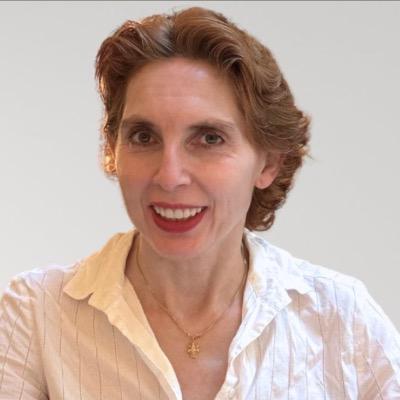
Dr.Silvija Jarnjak Helping cancer patients and caregivers understand immunotherapy and clinical trials with clarity and calm. Educational support only
Active 45d ago
Joined Jan 24, 2026
Switzerland
Powered by