Activity
Mon
Wed
Fri
Sun
Aug
Sep
Oct
Nov
Dec
Jan
Feb
Mar
Apr
May
Jun
Jul
What is this?
Less
More
Memberships
AI Automation Society
424.5k members • Free
The Sighthound Club
42 members • Free
16 contributions to The Sighthound Club

Mar 11 •
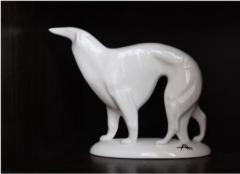
The day the whippet escaped
My short whippet story, the back gate had been left open and the whippet escaped. It was raining so he came back. The end
1 like • Mar 13
:D good one
Feb 20 •
Why Sighthound Recall Is Different?
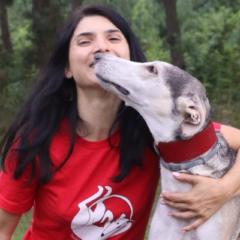
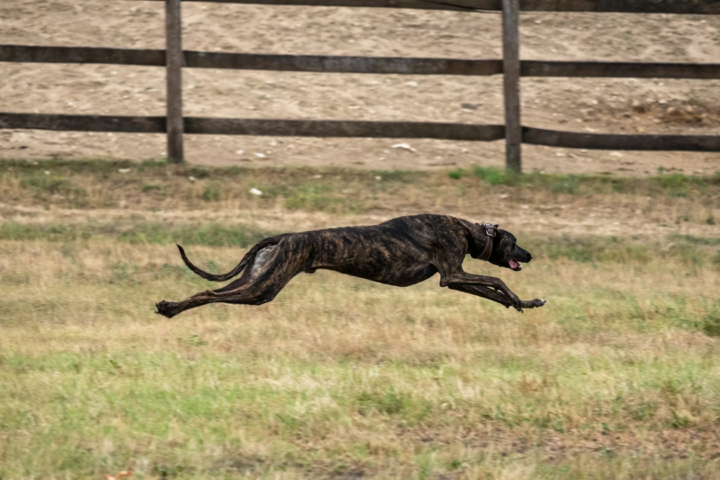
Sighthounds, such as Greyhounds, Whippets, Salukis, and Deerhounds, are extraordinary athletes with vision-driven hunting instincts. Unlike many other dog breeds, they were selectively bred over centuries to hunt by sight, pursuing fast-moving prey independently rather than working closely with humans. This unique evolutionary history gives them remarkable speed and visual acuity, but also makes recall more challenging. Brain States and Prey Drive Scientific research shows that sighthounds operate in two neurological states: 1. Alert-rest mode – a relaxed, calm state where the dog is attentive but not focused on prey. 2. Focused hunting mode – triggered by motion or the sight of potential prey. Once this hunting mode is activated, the dog’s brain prioritizes the moving target over external cues, including trained recall commands. This is because breeds selected for independent hunting tend to have strong prey drives and reduced inhibitory control compared to cooperative working breeds (Junttila et al., 2022). In other words, once a sighthound locks onto something to chase, their ability to respond to human commands is temporarily overridden by instinct. The Pre-Chase Window Although recall during an active chase is extremely difficult, research on sighthound behaviour (Normando et al., 2025) shows that owners can often anticipate when prey drive is about to engage. Key signs include: - Eyes locking on a moving target - Ears pricked forward - Body muscles tensing These subtle signals mark a brief pre-chase window, the final moment where recall is most likely to succeed. Once the dog launches into full pursuit, neurological focus is completely on the target, and trained commands are largely ignored until the chase ends. Practical Implications for Owners Understanding the sighthound’s brain and prey drive can help owners train and manage recall more effectively: - Train in low-arousal situations first: Strengthen recall when the dog is calm before introducing distractions. - Observe pre-chase signals: Recognize the early warning signs that your dog is about to switch into hunting mode. - Respect instinct, don’t punish: Ignoring recall mid-chase is not disobedience; it is a breed-typical, neurologically-driven response.
1 like • Feb 20
This is really interesting to read. I knew this information already but it's great to know it's not just my borzoi xD
Jan 22 •
Why do sighthounds roach? Your sighthound isn’t being dramatic…
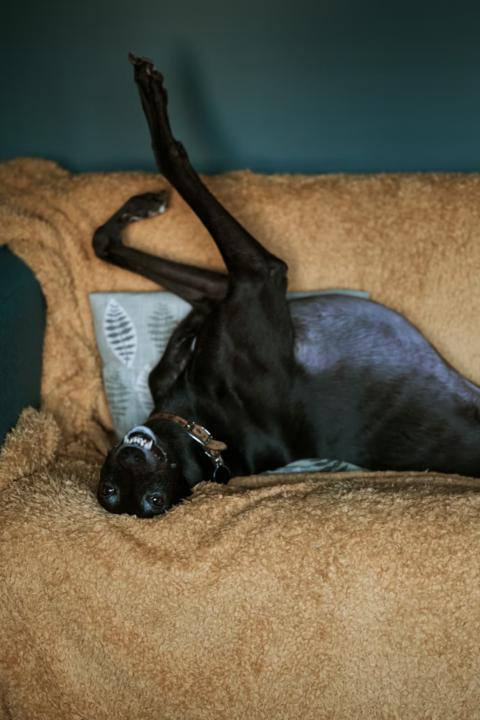
Roaching is when a sighthound lies on their back, legs in the air — basically sleeping upside down. Why do they roach? 1. Sighthounds often roach because it allows a full release of the back and abdominal muscles, decompression of the spine, and relief of tension. It may look weird, but their flexible spine and long lumbar section make this position very comfortable for them. Roaching also helps with body temperature regulation. 2. Roaching happens only when a dog feels safe. (I’ve also heard that cats allow belly touching only when they fully trust you 🙂.) A dog won’t expose its weakest points — the belly and neck — if it feels threatened in any way. Roaching means the dog is relaxed, feels safe, and is comfortable in its environment. Guardian and herding breeds whose job involves watching flocks never sleep on their backs. They manage to doze with one eye open in case they have to jump up in a hurry. Form follows function even in sleeping. Some bloodlines roach more than others. Roaching should not be interpreted as pain, “being broken,” or something being wrong. They love sleeping in this comfy, unique roach position. ''The only danger of a dog asleep on its back is slipping and falling off a bed because it feels so relaxed.'' Explains Mr. Klein Source: Academic study on dog behavior and postures, American Kennel Club explanation of why dogs sleep on their backs
2 likes • Jan 23
Mine often sleep this way! Thank you for sharing. Very cool!
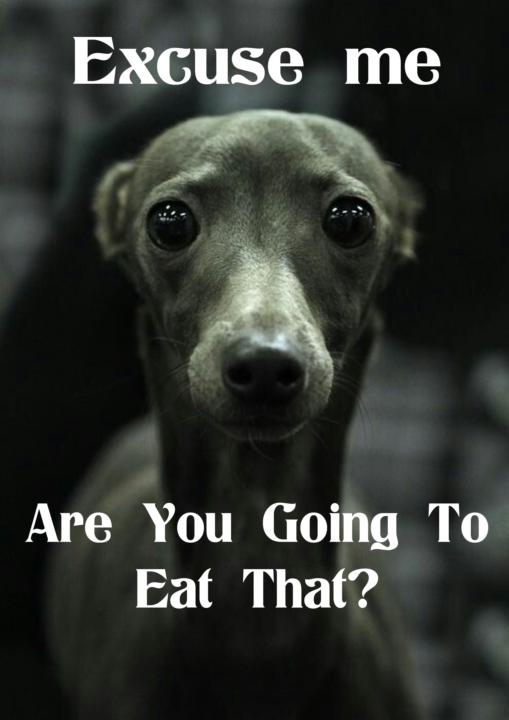
1 like • Jan 6
Have a nice week too! And thank you for the cheerful cuty
Nov '25 •
Cold Tolerance in Sighthounds (Lowest → Highest) Do you agree with this list?
Lowest Tolerance - Italian Greyhound – Very small with a very thin coat; loses body heat quickly. - Whippet – Light build and short coat; chills easily in cool or damp weather. - Greyhound – Very low body fat and thin skin; needs warmth in most cold conditions. Low–Moderate - Saluki – Slight feathering offers minimal protection; still a warm-climate breed. - Chart Polski – More robust frame and slightly denser coat than many sighthounds, but still lean and not suited for long cold exposure. Moderate - Borzoi – Longer coat provides reasonable insulation, though still sensitive to very cold or wet weather. - Irish Wolfhound – Large size helps a bit, but low body fat keeps cold tolerance moderate. - Scottish Deerhound – Rough, wiry coat offers decent protection, but still not a true cold-climate dog. Highest Tolerance (for a sighthound) - Afghan Hound – Thick, long coat offers the most insulation in the group; still not a true arctic breed but handles cold best among sighthounds. Source: Greyhound & Whippet Trust — “About Sighthounds”
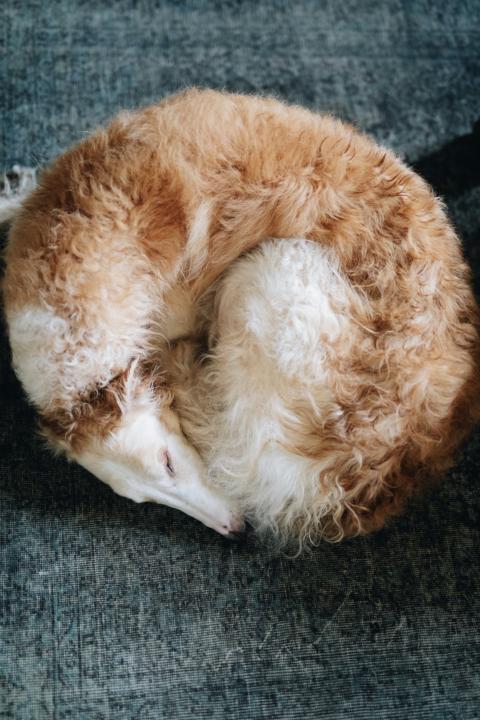
0 likes • Dec '25
Thank you!
1-10 of 16
Active 120d ago
Joined Sep 26, 2025