Activity
Mon
Wed
Fri
Sun
Jun
Jul
Aug
Sep
Oct
Nov
Dec
Jan
Feb
Mar
Apr
May
What is this?
Less
More
Memberships
Angela Rose's Learing Center
75 members • $9/month
2 contributions to Angela Rose's Learing Center

2d •
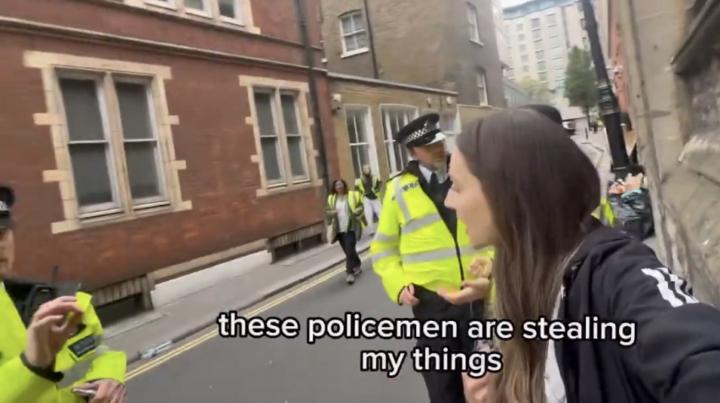
Angela dealing with The Anti-Free Speech Police🤬
Angela does not backdown even though she is surrounded by the Anti-Free Speech Police.🙏🏼🤭👏🏼🥳 You need to follow her on X. 🇺🇸😉

0 likes • 5h
@Stephen Surfaro https://www.ccleaner.com/recuva and https://www.winfr.org can also do that.

0 likes • 4d
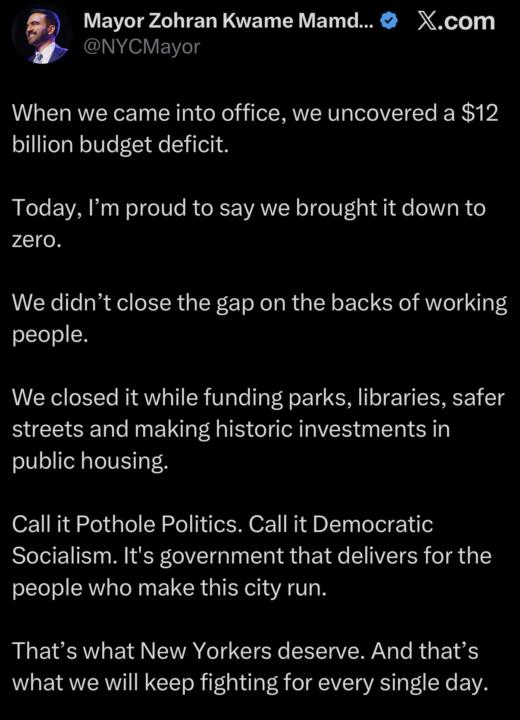
Here's a take by Grok: NYC vs. Rural Towns in New York: Where Does the Money Go? People often say New York City is a “donor” that gives lots of money to help the rest of New York State. But when you look at the real numbers, it’s more complicated. NYC makes a lot of money, but it also spends a lot — and much of the money circles back to itself. 1. Schools: Big Spending Difference - Rural and suburban schools usually spend $18,000 to $24,000 per student. - NYC public schools spend over $36,000 per student (sometimes even more). - Even with all that extra money, NYC schools often have big budget shortages and need extra help from the state. - Rural schools run leaner, share teachers, and balance their own budgets with local voters’ approval. 2. Local Services: Who Pays for What? - Rural towns: They mostly pay for their own roads, snowplowing, parks, and town offices using local property taxes. If they want something new, they have to balance their books. - NYC: About one-third of its huge budget comes from state and federal help. When NYC overspends, it asks the state (Albany) for special rescue packages worth billions of dollars. 3. The Money Loop (“One Hand to the Other”)NYC sends a huge amount of tax money to the state government in Albany. A big chunk comes right back to NYC for things like: - Medicaid (healthcare for low-income people — NYC has many more people who need it) - MTA subways and trains - Hospitals and schools Example numbers: Imagine NYC sends $60 billion to Albany → gets about $45 billion back. That $15 billion “extra” isn’t all a free gift to rural towns. Much of it pays for state things NYC needs to keep making money (like transit, courts, and highways). 4. Where Does the Extra Money Really Go? A good portion of the “extra” money helps other big cities in New York State, such as: - Buffalo - Rochester - Syracuse - Yonkers - Albany These cities also have high spending, budget problems, and need state help — just like NYC. Most of them are run by Democrats, like NYC.
1-2 of 2