Activity
Mon
Wed
Fri
Sun
Nov
Dec
Jan
Feb
Mar
Apr
May
Jun
Jul
Aug
Sep
Oct
What is this?
Less
More
The Video Dept.
6.5k
Free
IDALL AI
3.3k
4.9
$9/m
Authentic Selling
120
$29/m
AI Film Hiring Room
84
1.0
$47/m
Full-Time Creator (Free)
22.2k
Free
5 contributions to The Shutter Society
Jan 2 •
Any gear is good gear. True and False!
A friend once told me, “Any gear is good gear!” And I would say this can be true — but let’s take a step back to determine what your goals are. What is it you’re trying to capture? 💡 The Real Deal: Jen and I both started with what we had. No fancy rigs, no massive budgets — just a love for visual storytelling. And trust me, that’s exactly where you should begin. The truth is GEAR CAN MATTER! What are you capturing? Because the right tools help you tell the story in the right way. 🎥 For example in videography: • Weddings? → Are you capturing “content” for the wedding, or are you capturing “a cinematic story”? Content means a phone is probably fine. But what if you want to capture a cinematic story? Well that’s going to require something like a gimbal for smooth flowing shots and a camera that can shoot 24FPS (frames per second) for a cinematic look along with the ability to capture LOG footage for the most dynamic range when coloring in post. You will also want a nice lens and possibly the ability to shoot in 120 FPS for beautiful slow motion. • Music videos? → you probably want cinema quality gear or something handheld with dramatic lighting and bold angles, maybe you want to use a fog or haze machine to add a level of intensity to your shoot. • Documentaries? → Lighting (maybe 3-point lighting setup, but definitely a key light) DSLR camera with the a high quality lens, and great audio capture. 🧠 Here’s the mindset: • If you don’t have all the gear mentioned above then start with what you’ve got. You may be surprised what your current gear can do if you really learn how to use it. • Learn the fundamentals: composition, lighting, framing, movement. • When you’ve mastered what you do have, then start building your kit with intention. • Each piece of gear should be able to capture your vision and should be something you’ll use. (trust me, We’ve made the mistake of spending $$$ on things we thought we would need only to discover we never used it outside of making sure it works. 😩
1
0
Dec '25 •
Bad Lighting + Your Camera = Horrible Footage!
Lighting can make or break your video. Whether you're shooting inside, outside, or somewhere dark, bad lighting can mess up an otherwise great shot. Here are some common lighting problems you’ll run into—and how to fix them. 1. Low Light Environments - Issue: Grainy footage, loss of detail, poor focus. - Fix:Use fast lenses (with wide apertures like f/1.8 or f/2.8).Increase ISO carefully to avoid noise.Use portable LED lights or on-camera lights.Stabilize your camera for longer exposure times if needed. 2. Harsh Sunlight Outdoors - Issue: Overexposure, harsh shadows, and blown-out highlights. - Fix:Use ND (neutral density) filters to reduce light entering the lens.Shoot during golden hour (early morning or late afternoon).Use reflectors or diffusers to soften shadows. 3. Mixed Color Temperatures (Indoor + Outdoor Light) - Issue: Inconsistent white balance and unnatural skin tones. - Fix:Set a custom white balance based on your primary light source.Use gels to color-match artificial lights.Turn off competing light sources when possible. 4. Backlighting - Issue: Subject appears too dark or silhouetted against bright background. - Fix:Use fill light or bounce light to illuminate the subject.Increase exposure slightly while keeping highlight details in check.Use a reflector or white surface to bounce natural light onto the face. 5. Flickering Lights - Issue: Certain indoor lights (like fluorescents or LEDs) flicker at high shutter speeds. - Fix:Match your camera’s shutter speed to the local electrical frequency (usually 1/50 or 1/60).Avoid slow-motion under artificial light unless you’ve tested for flicker.Use high-quality, flicker-free lighting equipment. 6. Flat Lighting - Issue: No depth or dimension in the scene; looks dull or lifeless. - Fix:Use three-point lighting: key light, fill light, and backlight.Position lights at angles to create shadows and depth.Adjust light intensity and placement to shape the subject’s features.
1
0
Dec '25 •
We're LIVE!
We are thrilled to officially launch THE SHUTTER SOCIETY — a creative community for photographers and videographers who want to sharpen their skills, grow together, and create with purpose. Whether you're just starting or years into your journey, this is your space to: • Learn new techniques • Get feedback on your work • Connect with other passionate creatives! Built by Paul (videographer) & Jen (photographer), this is the kind of space we always wished existed — now we’re building it with you. Tons of good stuff coming soon: workshops, challenges, editing demos, tools, and more. Join now and be part of the founding crew.
1
0

Jul '25 •
Understanding Lens Compression and Wide-Angle Distortion
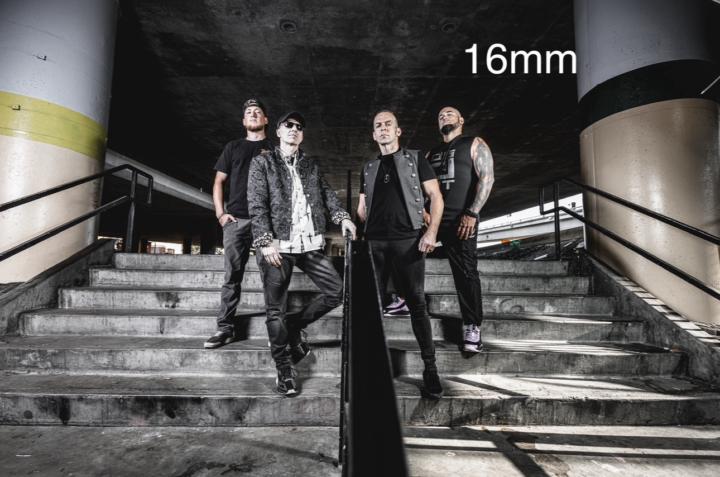
Let’s explore the concept of compression in photography Compression refers to the way a lens affects the perceived distance between objects in an image. This effect is largely influenced by the focal length of your lens. Wide-Angle Lenses and Distortion Wide-angle lenses (typically under 50mm) can create a unique effect on your subject and background. The shorter the focal length, the more exaggerated the perspective becomes. Lenses under 35mm are considered super wide-angle, and they can introduce noticeable distortion, especially near the edges of the frame. For example: - A 14mm to 16mm lens, commonly used in real estate photography, captures more of a space, making rooms appear larger than they are in person. This is why properties often look much smaller when viewed in real life. (Your eye sees at about 50mm) - These same lenses, however, can make people look distorted or unflattering if used for portraits, but can be artistic when throwing things in the foreground (like a foot or hand) for distorted depth perception. Creative Uses of Wide-Angle Distortion While distortion can be undesirable in some settings, it can also be used artistically. Many photographers use wide-angle lenses intentionally to add a gritty or dynamic feel to their images. For example, in band photography, distortion can add an energetic, edgy look that transforms a plain shot into something much more compelling. Key Focal Lengths to Know: - 16mm to 35mm: Wide-angle range (with 16mm being on the super wide side) - 50mm and above: Considered standard or telephoto, depending on the length Here are a few examples of wide-angle photos. Once I get a model in, I’ll post headshot examples at various focal lengths so you can have a visual of the differences.
1 like • Jul '25
Great breakdown of compression and how focal length affects perception Jen!—thanks for laying it out so clearly! I especially appreciate the reminder that wide-angle distortion isn’t bad—it just depends on how you use it. I think I am going to "Level Up" 🙂 my photography knowledge even thought I'm a Videographer. And I love it!
Jul '25 •
Putting yourself out there
Yesterday Paul and I worked on creating an intro/about us video. I’ll be honest, I’m not super sure how this whole app/group thing works. Here’s what I’ve learned about the whole content thing though. You have to put “you” out there if you want notice. Everything today as about the “authentic” you. Well pretty sure I’ve always been direct and what you see is what you get, but this video was actually a lot harder than I expected! Not the technical part. I understand lighting and camera settings, but man, having a script and also trying to sound real? Way hard to do! 🤯😂🤣. The funny part is this is all real and us, but you get that camera going and everything you want to say goes out the window. 🤦🏻♀️. After production on this was a wrap, guess what I remembered? We have a 75” TV in studio we could have used as a teleprompter. Good grief! I hate being on camera which is why I like to be behind it! I can coach people on what to do, yet I definitely need to practice DOING it.
0 likes • Jul '25
yep, filming yourself while being authentic is tough. But we have a lot of time to practice here in this community! 😁
1-5 of 5
@paul-elkin-1793
We are a husband and wife team, bringing stories to life through photography and videography.
Active 2d ago
Joined Jul 9, 2025