Activity
Mon
Wed
Fri
Sun
Jun
Jul
Aug
Sep
Oct
Nov
Dec
Jan
Feb
Mar
Apr
May
What is this?
Less
More
Memberships
ARABIC AI AGENTS ACADEMY
1.1k members • Free
Google Ads Skool
4.9k members • Free
AI Accelerator
18.5k members • Free
Yadari Lab by Yassir
22.5k members • Free
Media Buying Academy
14.4k members • Free
Digital Product
414 members • $250/month
23 contributions to ARABIC AI AGENTS ACADEMY

Mar 18 •
الآفاق الكبيرة لذكاء الاصطناعي
سوريا ميدها: هندي بعمر الـ 22 عامًا يحطم رقم مارك زوكربيرغ ويصبح أصغر ملياردير في العالم بثروة تُقدّر بـ 2.2مليار دولار.. فما هي قصته؟ حطم الشاب الهندي سوريا ميدها صاحب الـ 22 عامًا الرقم القياسي الذي حققه مارك زوكربيرغ قبل سنوات، ليصبح أصغر ملياردير عصامي في العالم. تمكن ميدها مؤخرًا من تحقيق ثروة تُقدّر بنحو 2.2 مليار دولار، متجاوزًا الرقم الذي وصل إليه زوكربيرغ عندما أصبح مليارديرًا في سن الثالثة والعشرين. تعود قصة النجاح إلى شركة ناشئة أسسها ميدها تُدعى Mercor، وهي منصة تعتمد على الذكاء الاصطناعي لمساعدة الباحثين في العثور على الوظائف المناسبة لهم. وقد جذبت الفكرة اهتمام كبار المستثمرين، الذين قدّروا قيمة الشركة بنحو 10 مليارات دولار. وتعمل المنصة بطريقة مختلفة عن أساليب التوظيف التقليدية؛ إذ يمكن لروبوت يعمل بالذكاء الاصطناعي إجراء مقابلة عمل عبر الفيديو مع المتقدمين، وتحليل إجاباتهم، ثم مطابقتهم مع الشركات التقنية التي تناسب مهاراتهم. ورغم ارتباط شركة ميدها بعالم البرمجة، الا أنه لم يدرس علوم الحاسوب في الجامعة، بل اختار دراسة العلوم السياسية والاقتصاد. ولم يبنِ الشركة بمفرده؛ فقد شاركه في تأسيسها اثنان من أصدقائه في الجامعة، هما بريندان فودي، وأدارش هيريما، حيث عمل الثلاثة معًا على تطوير أداة ذكاء اصطناعي تهدف إلى تغيير مستقبل التوظيف. وفي عام 2026 جاء سوريا ميدها ضمن قائمة فوربس السنوية لأغنى أغنياء العالم، كأصغر ملياردير في العالم

4 likes • Mar 18
الله احفظك سي فؤاد على هاد المعلومات القيمة بتوفيق للجميع

Mar 17 •
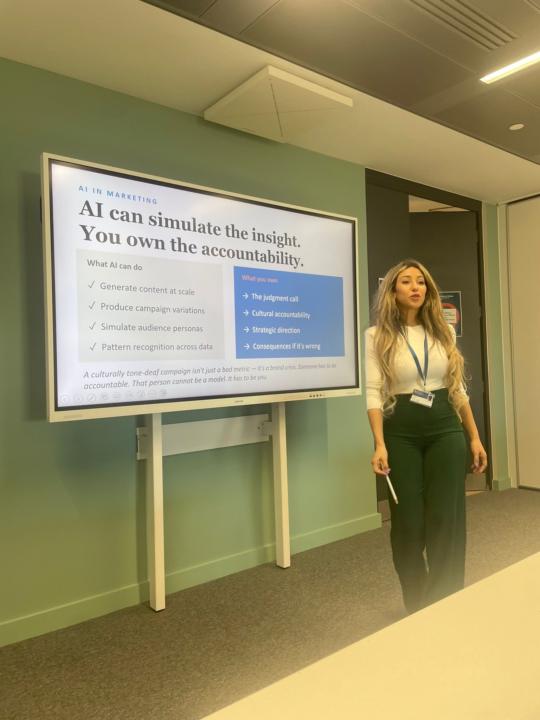
Guest speaker at UWTSD university London
This morning, I presented to international MBA students. The topic? Agentic AI — and how to harness cultural differences to capture and win the future of work. What struck me? The majority of the students were Indian. And they absolutely roasted me 🔥 Sharp, technical, challenging questions — because several of them were developers. Honestly? I loved every second of it. Because that’s exactly what drives me: those moments where the room won’t let you get away with surface-level answers. Where you have to go deep. Where cultures collide around the same burning question: how is AI going to transform the way we work? We really are living through the most fascinating time. Next stop? Maybe Morocco 😉🇲🇦 Ce matin, j’ai présenté devant des étudiants MBA internationaux. Le sujet ? L’IA agentique — et comment exploiter les différences culturelles pour conquérir le futur du travail. Ce qui m’a frappée ? La majorité des étudiants étaient Indiens. Et ils m’ont rôtie 🔥 Des questions pointues, techniques, challengeantes — parce que plusieurs étaient développeurs. Honnêtement ? J’ai adoré chaque seconde. Parce que c’est exactement ça qui me passionne : ces moments où la salle ne te laisse pas t’en tirer avec des généralités. Où tu dois aller au fond des choses. Où les cultures se croisent autour d’une même question : comment l’IA va-t-elle transformer notre façon de travailler ? On vit vraiment une époque fascinante. La prochaine étape ? Peut-être bien le Maroc 😉🇲🇦
4 likes • Mar 17
الله احفظك

Mar 3 •
A Community Driven by AI, Growth, and Impact
Today, I would like to highlight the remarkable efforts and strong spirit of collaboration within ARABIC AI AGENTS ACADEMY. This academy goes beyond simply teaching artificial intelligence. It has built a true learning ecosystem based on knowledge-sharing, support, and skill development tailored for the Arabic world. Every session, every exchange, and every shared resource reflects a clear vision: to democratize AI and empower individuals to unlock their full potential. Special thanks to Ms. Zara H for her dedication, leadership, and continuous commitment to guiding members toward excellence. Her vision and generosity in sharing knowledge truly make a difference. Investing in knowledge, sharing expertise, and encouraging action — this is the true strength of this academy. Proud to be part of such an inspiring community.#AI #Education #Innovation #ArabicAI اليوم أود أن أُسلّط الضوء على الجهود الكبيرة وروح العطاء والتشارك داخل ARABIC AI AGENTS ACADEMY. هذه الأكاديمية لا تقتصر على تعليم الذكاء الاصطناعي فقط، بل أسست منظومة تعليمية متكاملة قائمة على تبادل المعرفة، والدعم المتبادل، وتطوير المهارات بما يتناسب مع العالم العربي. كل لقاء، وكل نقاش، وكل مورد يتم مشاركته يعكس رؤية واضحة تهدف إلى نشر ثقافة الذكاء الاصطناعي وتمكين الأفراد من تحقيق أقصى إمكاناتهم. شكر خاص للأستاذة Zara H على التزامها، وقيادتها، وحرصها الدائم على توجيه الأعضاء نحو التميز. عطاؤها ومشاركتها للمعرفة يصنعان فارقًا حقيقيًا. الاستثمار في المعرفة، ومشاركة الخبرة، وتحفيز العمل — هذه هي قوة هذه الأكاديمية. فخور بالانتماء إلى مجتمع ملهم كهذا.#الذكاء_الاصطناعي #التعليم #الابتكار #ArabicAI
3 likes • Mar 5
Un professeur vraiment exceptionnel. Merci pour ces précieuses informations. Tout à fait, Monsieur Abdul Rahim. 👍
Feb 26 •
Homework (Episode 5 )
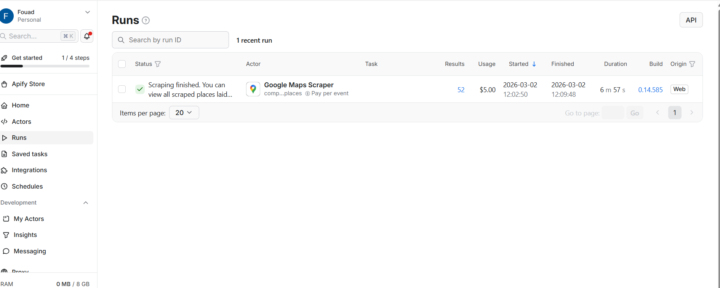
هدي اول محاولة ليا كنتمنى تصحوا ليا اخطائ # 1. The Architect (Thinking — Decision-Making Tasks) The Architect manages the workflow, makes decisions, and coordinates the process based on the defined rules. ## Thinking Tasks - Read and understand the customer message. - Identify the type of request (price, availability, purchase, delivery). - Decide on the appropriate response. - Explain the pickup or delivery process. - Confirm the pickup time with the customer. - Verify that the interaction is complete. --- # 2. The Plan (Blueprint — Instructions and Rules) This plan defines how the Architect should handle a customer inquiry from the initial message to confirming pickup and preparing the product. ## Description This workflow describes the process of responding to a customer interested in purchasing a product, from receiving the message to confirming pickup and preparing the item. ## Trigger A customer sends a message asking about a product (price, availability, or purchase). ## Decision Logic (Rules) - If the product is available → Inform the customer that it is available. - If the product is not available → Apologize and inform the customer it is sold out. - If the customer wants to buy → Provide the address and confirm the pickup time. - If the customer asks for the price → Confirm the listed price. - If the customer asks about location or delivery → Provide the address and agree on a time. --- # 3. The Equipment (Execution — Tools and Mechanical Steps) The Equipment represents the tools and actions that execute tasks without decision-making. ## Tools - Messaging platform (Facebook, Instagram, WhatsApp, etc.) - Product list or inventory reference - Phone or computer ## Mechanical Steps - Open the customer message. - Check product price and availability. - Wait for the customer response. - Provide the address. - Prepare the product for pickup. --- # Output - The customer receives clear information. - The purchase is confirmed. - The pickup time is agreed.
1 like • Mar 5
الله اعطيك الصحة سي فؤاد
2 likes • Mar 5
شكرا جزيلا السي فؤاد. حفظك الله
1-10 of 23