Activity
Mon
Wed
Fri
Sun
Sep
Oct
Nov
Dec
Jan
Feb
Mar
Apr
May
Jun
Jul
Aug
What is this?
Less
More
Owned by Noah
Learn the realities of farming, where your food comes from, what it takes to get it onto your plate and why you should buy locally produced food.
Leadership Skool
1.7k members • Free
The Farmyard
290 members • Free
THE SKOOL HUB
5.5k members • Free
GOOSIFY: Skool Made Fun
13.1k members • Free
🏛️ Coaching Academy
4.5k members • Free
Recalibrate Outdoors
58 members • Free
Outdoor Adventures
96 members • $5/month
9 contributions to The farming way➖field to fork

Jan 19 •
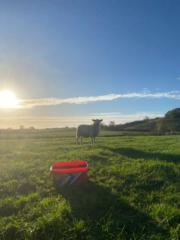
Jeremy Clarkson a good thing for farming or nah?
I've been wondering and I want to hear from people closer to it all - you guys. I've watched Clarksons Farm and personally I quite like it. I didn't like Clarkson before it, but he's grown on me over time. I know it's most likely production and all sorts, however, how do we feel about him as a community? Is he a good influence? He certainly has brought the farming lifestyle to millions of viewers, but has it all been for a good cause or not? I'd love to hear from real farmers what their thoughts on him are?
Poll
2 members have voted

1 like • Jan 19
I think Clarkson has done a great deal of good for the farming community. Whilst the show is a lot of the time exaggerated, it still shows what farming is about and how hard it is to make a living from it now. I think it has shown a lot of people who before hand had no idea about farming, what it acctually involves. No complaints, I think he’s doing a great job
Jan 13 •
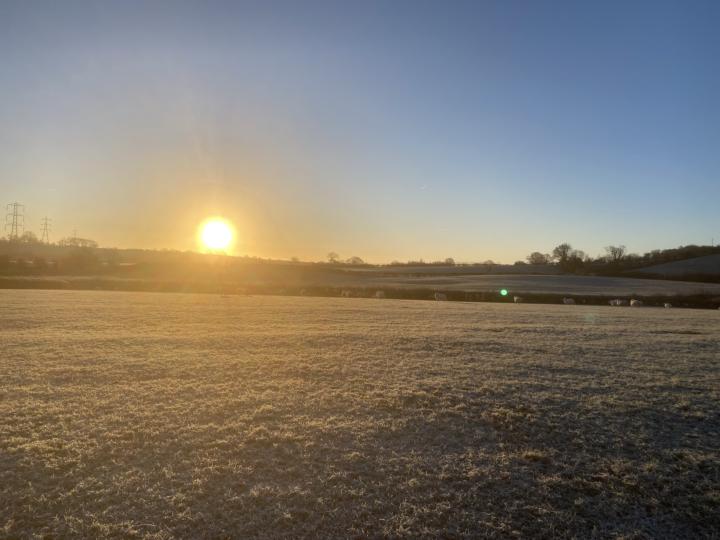
Welcome!
Hi to all new members, sorry it took me a while to approve! Welcome to our community! Feel free to introduce yourselves below!
1 like • Jan 13
Also more courses will be coming out soon. I’ll start with more popular/ requested ones so if there’s anything you would like to see let me know and I’ll get them done first! Some of the ones I will be doing include: Lambs. From pregnancy to plate Cade lambs. The process of reading cades into healthy strong sheep or fat lambs The process of a breeding sheep flock Improving flock health Managing feet, worms and more Why I chose breeds and what the benefits of different breeds include Fencing Also some based more around arable farming such as combining
Jan 2 •
Rare Lichens thriving due to traditional farming!
https://www.bbc.co.uk/news/articles/c77kxengdm2o?at_link_type=web_link&at_link_origin=BBC_Cumbria&at_format=link&at_campaign=Social_Flow&at_bbc_team=editorial&at_link_id=7FB21808-E7CE-11F0-AE4B-875C4DC489E4&utm_social_post_id=640249473&at_campaign_type=owned&utm_social_handle_id=107629172665153&at_medium=social&at_ptr_name=facebook_page&fbclid=IwdGRjcAPE2chjbGNrA8TZt2V4dG4DYWVtAjExAHNydGMGYXBwX2lkDDM1MDY4NTUzMTcyOAABHsplXqpD9iB0jE0OFa4HnM62WXDAzZL2nzHHz6TUTjPuCQOijER_5Ln3zctZ_aem_HGMjuqla3CiutGPEy9p5HA Thought I'd share the above link as it's an interesting story! BBC Cumbria have written about how some rare species of lichen are thriving due to traditional farming practice, a process that has been carried out since the 17th century. A survey found a range of rare species along with identifying some that have not been known to be in the area before! Super cool!

1 like • Jan 2
This is brilliant! Shows that we had it right years ago! Before money and profits took over looking after the country and its people!
Jan 1 •
Happy new year!🥳
Moving a few sheep today to start the new year before they are scanned in a couple weeks. Will be making a short section soon about scanning for anyone interested. Quick question, Would people rather see written ‘courses’ Or we could do more video style ones. Or a mix of both.
Poll
4 members have voted

1 like • Jan 1
@Lisa O'Brien great thankyou! Will try and get some photos and videos during
Dec '25 •
Question time 🐑
Any questions you have (theres no such thing as a silly question) feel free to ask here!
1 like • Dec '25
@Kerry Souter good question, I’m not massively familiar with the specific needs of pigs but will do a bit of research. But here’s what I would say, assuming pigs are happy on their own, then yes it’s very possible to do it ethically. Even then pigs are very intelligent so I imagine that even if they typically do better in numbers, with enoigh attention and care a pig would likely be quite happy. You would have to decide how you plan to keep a pig, would you have it free roaming around the house? Or would you have a specific place it lives. It would need outdoor space, better its own space as pigs tend to make a mess! (This makes them very good ground clearers) but not so good if you like a tidy garden. A pig hut, suitably sized enclosure and suitable feed would be a good start. It used to be quite a common thing that people would keep ‘pet’ pigs at the bottom of the garden, they would feed it all the scraps from meals, probably surplus food aswell, then when ready slaughter and eat. Another factor to consider is vet bills, farm animals can be costly. Pigs can also live for a very long time (up to 20 years) so that would play a big factor in it. After doing a bit of research, there are mixed reviews about pigs being alone. Whilst they can do well on their own. Pigs are generally quite sociable creatures so more than one would be a more ethical idea (obviously this increases all the other needs) Let me know if you have any other questions or I have missed something.
1-9 of 9
@noah-hardy-1395
Young farmer documenting the day-to-day life farming, hoping to help show people the realities of farming and where their food comes from.
Active 169d ago
Joined Dec 1, 2025