Activity
Mon
Wed
Fri
Sun
Aug
Sep
Oct
Nov
Dec
Jan
Feb
Mar
Apr
May
Jun
Jul
What is this?
Less
More
Owned by Nisana
For anyone who loves animals & dreams of becoming a vet. Explore clinical cases, learn from a DVM, & get the support to make your application shine.
Vet-led community for backyard poultry keepers. Dr. Nisana, DVM, provides expert guidance on flock health, disease prevention, nutrition, & wellness.
Memberships
Skoolers
166.2k members • Free
Homesteading to Riches
106 members • Free
All NaturalAnimalAcademy Free
15 members • Free
Dogtopia
43 members • Free
The Cat Rescue & Care Academy
7 members • Free
Homesteading Made Simple
162 members • Free
The Front Porch Revival
5 members • Free
The Backyard Revolution
30 members • Free
Chickens and Charm
8 members • Free
7 contributions to Dakoda Herbals Academy

10d •
Welcome to Our Growing Herbal Community!
I want to give a warm welcome to all of our newest members. I'm so happy you're here!! Whether you're completely new to herbs, have been growing plants for years, or you're somewhere in between, you've found a community of people who simply love learning from nature. This space is about curiosity, asking questions, sharing experiences, and growing together. No one knows everything, and that's one of the beautiful things about herbalism. There is always something new to discover. I'd love to get to know you! Tell us: • Where you're from. • How long you've been interested in herbs. • What first sparked your interest in herbalism. • What's one plant you've always wanted to learn more about. Don't be shy about asking questions. Chances are, if you're wondering something, someone else is too. Thank you for being here. I truly can't wait to learn alongside each of you! 💙

1 like • 8d
I’m originally from Virginia but have been living in Oklahoma for the past 3 or so years now. I’ve been interested in herbs for about 4-5years when I first heard about the seventh day Adventist health message and starting reading more about the natural remedies God has given us. I’m interested in a lot, but as I’m a vet, I’d love to learn how to apply thes remedies to animals too. 😊
0 likes • 8d
@Alexandria Dierkes-Whitson I work mainly with poultry and would love to help owners, especially when I have to see them virtually because of distance or cost. Doing stuff through natural solutions when possible is easier legal-wise when working with telehealth on the vet side.
10d •
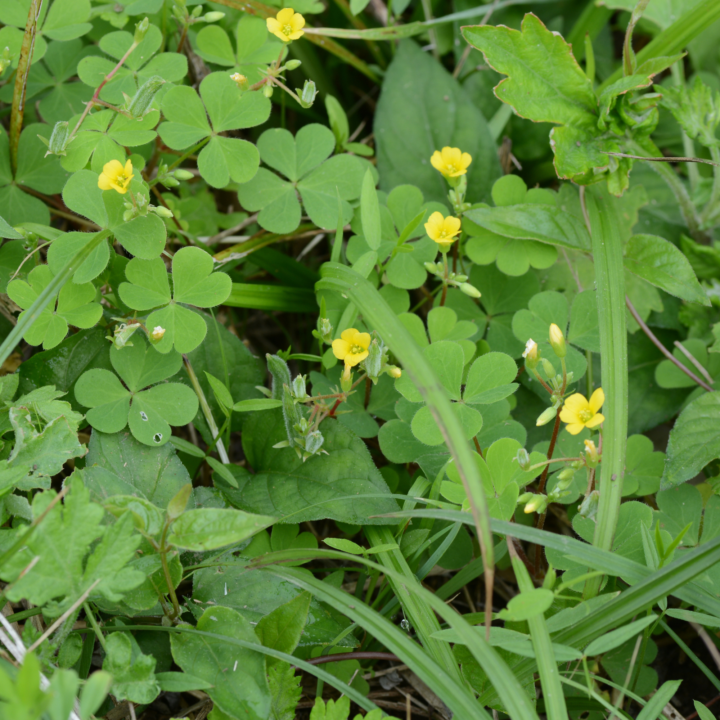
Plant Spotlight, Wood Sorrel (Oxalis)
If you've ever seen tiny heart shaped leaves carpeting the ground and thought they were clover, there's a good chance you were actually looking at wood sorrel. Despite its common name, wood sorrel isn't related to true sorrel (Rumex species). Instead, it belongs to the genus Oxalis, a group containing hundreds of species found around the world. How did it get its name? The name Oxalis comes from the ancient Greek word oxys, meaning "sharp" or "acid," referring to its pleasantly tart flavor. The common name "wood sorrel" comes from both that sour taste and the fact that many species naturally grow in woodlands and shady forests. What does it taste like? The leaves have a bright, lemony, tangy flavor thanks to naturally occurring oxalic acid. Many people enjoy nibbling a leaf while hiking or adding small amounts to salads, soups, pestos, herb butter, or as a garnish. The cheerful flowers are edible too. Different types you may encounter: There are hundreds of Oxalis species, but these are among the most common: • Yellow Wood Sorrel (Oxalis stricta), one of the most widespread wild species in North America. • Creeping Wood Sorrel (Oxalis corniculata), a low growing species that often develops reddish stems and can spread quickly. • Violet Wood Sorrel (Oxalis violacea), a beautiful native species with striking lavender flowers. • Pink Wood Sorrel (Oxalis debilis), commonly grown as an ornamental in warmer climates. Although they vary in appearance, many species share the same characteristic heart shaped leaflets and tart flavor. Traditional herbal uses: Historically, wood sorrel has been used in small amounts in traditional herbal practices as: • A cooling herb. • A gentle digestive bitter and appetite stimulant. • A mild diuretic. • A source of vitamin C before citrus fruits became widely available in some regions. • A fresh poultice in some folk traditions for minor skin irritations and insect bites. Modern clinical research on wood sorrel as an herbal medicine remains limited, so most medicinal uses are based on historical and traditional practice rather than strong clinical evidence.
1 like • 10d
We have Violet Wood Sorrel! We love it and my baby girl was obsessed with eating it as a snack when we would pass by it. She memorized where it was growing in a patch😅 she’s 19months old.
26d •
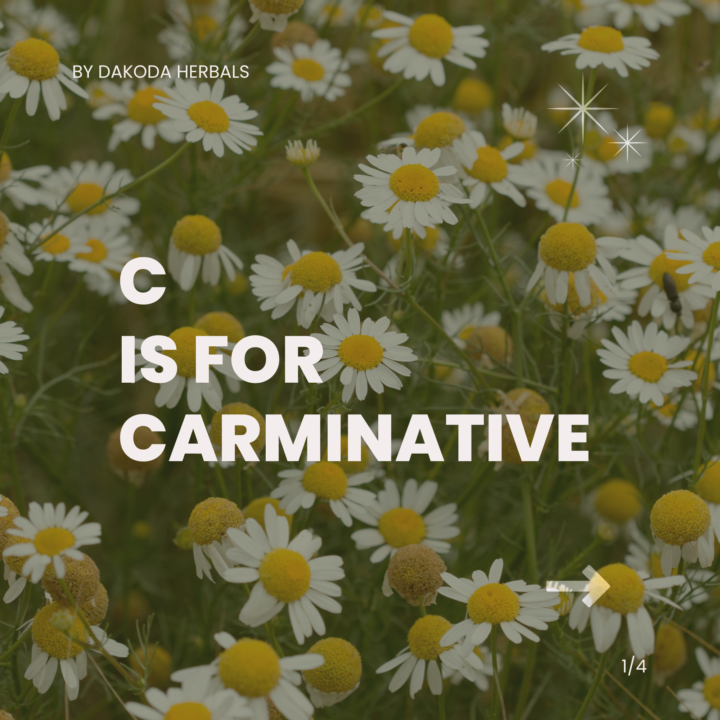
C is for Carminative!
Welcome back to A-Z therapeutic terms! Carminatives are one of the most beloved categories in herbalism because almost everyone has experienced bloating, gas, cramping, or that “my stomach is not happy with me” feeling after a meal. Carminatives are herbs that help relax the digestive tract, ease tension, support the movement of trapped gas, and promote smoother digestion overall. Many are aromatic herbs rich in volatile oils, which is part of why they smell and taste so good. Think of them as the cozy digestive helpers of the herbal world! Some classic carminatives include: + Fennel + Peppermint + Ginger + Chamomile + Cardamom + Dill + Anise + Lemon balm These herbs have been used traditionally across many cultures for digestive comfort after meals, motion sickness, nausea, heaviness, cramping, and general gut support. A few fun facts: + The word “carminative” comes from the Latin carminare, meaning “to card wool,” referring to the idea of “combing out” or relieving gas from the digestive tract. + Many traditional after-dinner teas around the world are naturally carminative. + Fennel seeds were commonly chewed after meals in ancient Rome and India for digestion and fresh breath. + Peppermint’s cooling sensation comes from menthol, which can help relax smooth muscle in the digestive tract. One of my favorite simple combinations: Peppermint + fennel + chamomile as a warm tea after meals. Gentle reminder: Even gentle herbs aren’t one-size-fits-all. For example, peppermint may aggravate reflux in some individuals who have acid reflux, and chamomile should be used cautiously in people with ragweed-family allergies. What’s your favorite digestive herb? 🌱
2 likes • 26d
I’ll try that combo with my husband. He gets gas buildup overnight and maybe this will ease some of that😊
Jun 2 •
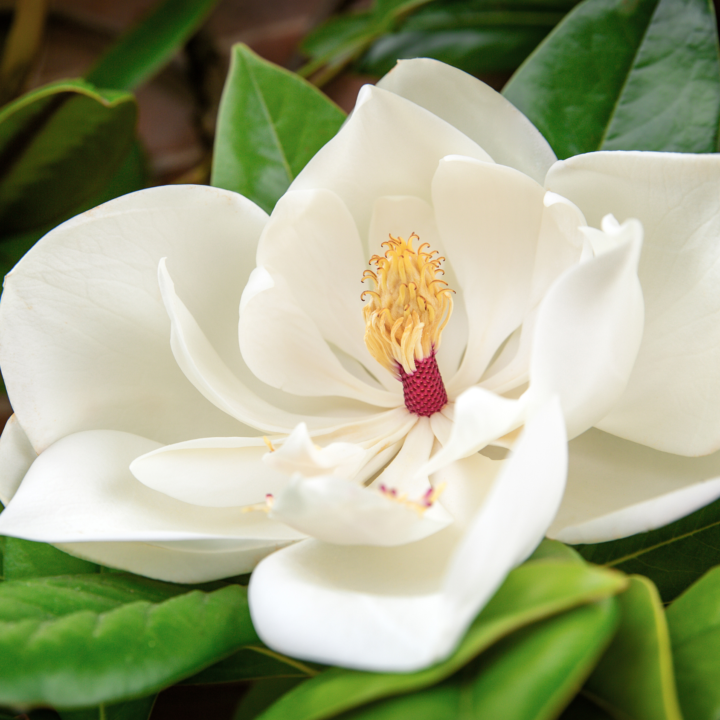
THE MAGNOLIA: Earth's Oldest Glamour!
Part 1: The Magnolia Is Older Than Bees! Welcome back to another botanical rabbit hole! This is part 1 of my Magnolia series. I'll be posting a series of videos on magnolia on social media, but I want to share with my wonderful community first! Did you know magnolias are among the oldest flowering plants on Earth? Magnolias evolved roughly 95 million years ago during the age of dinosaurs. That means these flowers existed before bees, butterflies, and moths had even evolved. So who pollinated them? Beetles! Magnolia flowers developed thick, waxy floral structures that could withstand hungry beetles crawling and chewing their way through the blooms. Unlike many flowers today, magnolias don't produce nectar. Instead, they reward pollinators with pollen. One of my favorite facts is that when you look at a magnolia flower, you're looking at a bloom that is remarkably similar to the flowers that existed when dinosaurs roamed the Earth. Question for you all: If you could travel back in time to any prehistoric period, where would you go and why?
3 likes • Jun 2
I think it would be interesting to be in Capernaum during the first century AD😊
May 26 •
Happy Tuesday everyone!!
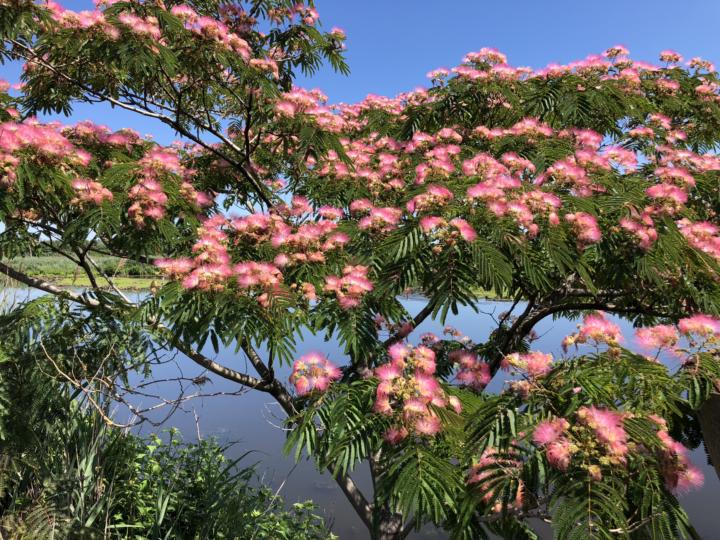
Welcome new members!! I hope those of you in the United States had a wonderful Memorial Day weekend. Over Memorial Day weekend I went out of town on a little girls trip, and one thing that caught my attention the entire drive were the Persian silk trees blooming everywhere along the highways and roadsides! Those fluffy pink flowers almost look dreamlike when they are in full bloom this time of year. Seeing them everywhere reminded me how badly I have wanted to talk about Albizia julibrissin again, commonly called the mimosa tree, Persian silk tree, or silk tree. I did a video last year on Albizia julibrissin. If you want to check it out, I'll link the video in the post! I completely sold out of 5 ounces of harvested mimosa flower from that video and am eager to harvest more to dry, as there are very little to no trustworthy sellers online. One thing that can get confusing in herbalism is the word “mimosa,” because multiple plants share that common name. When people talk about “mimosa flowers” in herbal preparations, they are often referring to the flowers of Albizia julibrissin, not necessarily the sensitive plant Mimosa pudica that folds its leaves when touched. Common names can overlap a lot in the plant world, which is why botanical names matter so much. Although she's beautiful, Albizia julibrissin is not native to the US. It originally comes from parts of Asia and the Middle East and was introduced here as an ornamental tree because of its beautiful flowers and fast growth. Over time it naturalized in many areas across the South and eastern United States, which is why so many of us see it lining roadsides every summer. Traditionally, the flowers and bark have been used in Chinese herbal traditions, where the tree is sometimes called the “Tree of Happiness.” Historically it has been associated with emotional support, calming the spirit, easing grief, supporting sleep, and helping with melancholy or emotional heaviness. The flowers in particular are often viewed as uplifting and heart soothing. I honestly love the flowers so much and a tincure of it tastes like heaven.
2 likes • May 27
@Alexandria Dierkes-Whitson making a honey infusion with the flowers. We will know in two weeks how it turns out😅
1 like • May 27
@Alexandria Dierkes-Whitson it’s just a small batch for the first try
1-7 of 7

@nisana-miller-8945
Bible believing wife to Shawn Miller, mom to Miriam, Owner of Praising Pastures, Covenantal Wings Veterinary Services, & Vet Skool Success Network
Active 4h ago
Joined Apr 15, 2026
INFJ
Heavener, Oklahoma