Activity
Mon
Wed
Fri
Sun
Sep
Oct
Nov
Dec
Jan
Feb
Mar
Apr
May
Jun
Jul
What is this?
Less
More
Memberships
AI Automation Society
430.4k members • Free
DataLinkk AI Skool
118 members • Free
9 contributions to DataLinkk AI Skool

Feb 6 •
LangSmith Agent Builder Certificate Earned 🎓
This course gave me hands-on experience with building and evaluating AI agents using LangSmith, and helped me better understand how to monitor and improve agent behavior in real-world workflows. Looking forward to applying these learnings and continuing to grow in the AI space 🚀 #LangSmith #LangChain #AIAgents #LLM #AIEngineering #Learning
Oct '25 •
💡 Just a Thought: Start Using AI to Create & Earn.
💥Discover practical ways to earn from AI — no coding needed! This video breaks down real strategies, tools, and tips to help you turn AI into income, even if you're just getting started
3
0

Sep '25 •
Example of Conditional Workflow
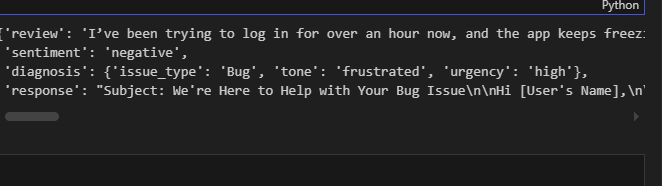
🚀 Building Smarter Customer Review Workflows with LangGraph + LLMs🚀 Handling customer reviews isn’t just about responding quickly—it’s about responding intelligently. Some reviews are full of praise 🙌, while others highlight real frustrations 😤. Both deserve thoughtful, tailored responses. I recently built a workflow using LangGraph + OpenAI models that automates this process end-to-end: 🔹 Step 1: Sentiment Detection The system first identifies whether the review is positive or negative. 🔹 Step 2a: Positive Reviews If it’s positive, the LLM crafts a warm thank-you message and encourages the customer to leave feedback on our website. 🔹 Step 2b: Negative Reviews If it’s negative, the system runs a diagnosis layer, extracting: 1. Issue type (UX, Bug, Performance, etc.) 2. Tone (angry, calm, frustrated…) 3. Urgency (low, medium, high) Using these insights, the LLM generates an empathetic, problem-solving reply that matches the user’s sentiment and urgency. 💡 The result? A workflow that not only saves time but also elevates customer experience by ensuring responses are context-aware and personalized.
0 likes • Oct '25
Amazing🙌
Sep '25 •
🚀Example Of Prompt chaining/Squential Workflow🚀
I’ve developed an automated blog generation system that takes a simple topic and transforms it into a full-length blog post, using a two-step process powered by LangGraph. 🤖✨ How it Works: Step 1: Generate Outline 📝 The workflow first takes the topic provided by the user and generates a detailed blog outline. This helps structure the content by breaking it down into key sections. Step 2: Generate Blog Content 🖋️ With the outline in hand, the system then uses it to generate a detailed blog post, ensuring each section of the outline is fully fleshed out into a coherent and informative blog. LangGraph Workflow Design: The workflow is built with LangGraph and consists of two primary nodes: 🔧 Node 1: Create Outline 📋 Functionality: This node takes the user-provided topic and uses it to generate a structured outline for the blog. The model understands the topic and breaks it down into key points and sub-topics. Node 2: Create Blog Content 🖊️ Functionality: This node takes the topic and the outline and generates a full-length blog based on the outline. It ensures the content is well-organized and aligned with the initial structure, providing a comprehensive blog post. Key Features: Efficient Workflow 🚀: Seamlessly moves from generating a structured outline to creating a detailed blog. Node-based Process ⚙️: Clear and easy-to-understand flow with specific functionalities for each node. Real-Time Streaming ⏱️: The content is streamed progressively to the user, ensuring a dynamic and engaging experience. This system showcases the power of LangGraph in structuring complex workflows for content generation, allowing for automation and efficiency in content creation. 🌟 Check out the demo to see how the system works in action! 🎥 hashtag#AI hashtag#BlogGeneration hashtag#LangGraph hashtag#MachineLearning hashtag#Automation hashtag#ContentCreation hashtag#TechInnovation hashtag#Python hashtag#ArtificialIntelligence hashtag#NodeBasedWorkflow ✨

0 likes • Sep '25
Amazing brother, your langGragh workflow enhance my desire to learn LangGragh.
0 likes • Sep '25
@Sarfraz Ali thanks brother for encouraging.
Sep '25 •
🚀Example of Parallelization /Parallel Workflow🚀
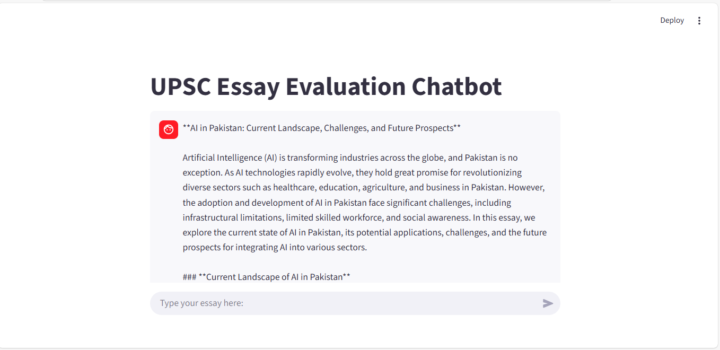
🚀 Introducing a Parallel Workflow for UPSC Essay Evaluation 🚀 As part of my ongoing work to assist UPSC aspirants, I’ve created a simple yet powerful parallel workflow aimed at evaluating essays in the UPSC exam using LangGraph. 🔍 How It Works: This platform allows aspirants to submit their essay, which is then evaluated on multiple key aspects, ensuring a well-rounded feedback mechanism. 💡 The Process Includes: Start Node: The workflow receives an essay and begins the evaluation process. Evaluation on Key Aspects: The essay is evaluated in three areas: Clarity of Thought: How clear and coherent the essay's arguments and ideas are. (Score: 0-10) Depth of Analysis: The depth at which the topic is explored and the analysis presented. (Score: 0-10) Language: The quality of language, including grammar, vocabulary, and fluency. (Score: 0-10) Final Evaluation: After the individual assessments, all feedback is merged and summarized using LLM, resulting in: A final evaluation score based on the average of the three aspects. A comprehensive feedback report to help candidates improve their essays. 🔧 The Technology Behind the Scenes: This workflow was built using LangGraph, a powerful tool that allows me to design and manage parallel processes efficiently. LangGraph enables the independent evaluation of different aspects of the essay while seamlessly merging the results for a final, cohesive assessment. 🌟 Whether you’re preparing for UPSC or simply looking to improve your essay-writing skills, this tool can provide valuable insights into how well-rounded and impactful your essays are. Let me know if you have any thoughts or suggestions on this workflow.
0 likes • Sep '25
Great job on creating a faster way to evaluate essays.
1-9 of 9