Activity
Mon
Wed
Fri
Sun
Sep
Oct
Nov
Dec
Jan
Feb
Mar
Apr
May
Jun
Jul
Aug
What is this?
Less
More
MRCS A
344 members • Free
41 contributions to MRCS A


2 likes • 9d
Statistics and community medicine Miscellaneous topics
2 likes • 9d
All of theses unlock

2 likes • 16d
🤝
Jul 9 •
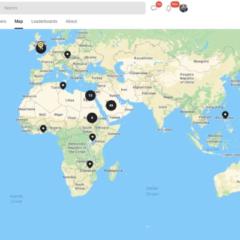
Safwat is the top on the leadboard
@Safwat Mohamed is unbeatable. If you want to beat Safwat and get the gift for MRCS B you need to post more, like more and interact more.

3 likes • Jul 9
👏🏻👏🏻👏🏻

Jul 7 •
What is the answer?
A 33 years old lady presented with mass on the UOQ of her left breast. She has history of breast implants and positive family history of cancer breast. What is the best investigation for diagnosis? A. FNAC B. U/S C. MRI D. Core Biopsy E. None of the above
2 likes • Jul 9
Core biopsy because it’s deferentiate between Invasive vs In situ
Jul 9 •
Fq56
A 58-year-old woman presented to the Emergency Department with a large fluctuant swelling the site of a recent insect bite. She is anxious, tachycardic and pyrexial. An ECG shows critical fibrillation. She is noted to have a goiter. The swelling at the site of the bite requires surgical drainage. Which of the following classes of drug would be most appropriate as part of her preoperative preparation for surgery?
Poll
5 members have voted
2 likes • Jul 9
Thyroid storm
1-10 of 41