Activity
Mon
Wed
Fri
Sun
May
Jun
Jul
Aug
Sep
Oct
Nov
Dec
Jan
Feb
Mar
Apr
What is this?
Less
More
Owned by Mikael
Using political science to explore how politics works—rigorous, respectful, and free from partisan flame wars. This is a place for learning.
A guild for role-playing gamers learning to bring dramatic, unforgettable stories to life at the table.
Memberships
The Creator’s Guild
9 members • Free
𝙂𝙊𝙊𝙎𝙄𝙁𝙔 🍎🐛🦋🌈⭐️🩷
12.6k members • Free
Fix Your Funk
305 members • Free
Game Master's Laboratory
388 members • Free
Skoolers
194.7k members • Free
23 contributions to Hellstrom’s Politics Lab
14d •
What’s Doing the Real Work Here?
Pick a current political event. What do you think is doing most of the real causal work behind it:👉 institutions👉 incentives👉 individuals (leaders)👉 ideas/narratives 👉 structures? Choose one — and briefly explain what it helps you see that the others might miss.
0
0
Mar 11 •
Need tutoring?
Find me here: Mikael - Political science tutor in Saint John - $17/h - 2 avis
0
0
Mar 10 •
Explaining to the public is hard!
What political process do you think ordinary news coverage does the worst job of explaining — and why does that matter?
0
0
Feb 19 •
The strength of democracy
If you had to design one “early warning sign” that a democracy is weakening, what would you measure — and why that indicator?
1
0
Jan 28 •
Federalism in action
How do recent US federal immigration enforcement actions challenge the balance of power between federal and state/local governments? Consider the deployment of ICE and DHS agents, the state and city lawsuits against the federal government, and public officials’ responses to these operations. What theoretical frameworks help explain the tensions between local authority and federal enforcement in this case?
0
0
1-10 of 23
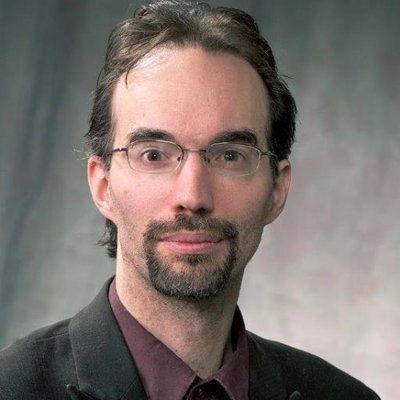
@mikael-hellstrom-4912
PhD in Political Science. Taught undergrad courses in multiple fields. Sharing ideas with the world via Professor Hellstrom.
Active 12d ago
Joined Aug 12, 2025
INTJ
Saint John