Activity
Mon
Wed
Fri
Sun
Feb
Mar
Apr
May
Jun
Jul
Aug
Sep
Oct
Nov
Dec
Jan
What is this?
Less
More
Memberships
InvestCEO with Kyle Henris
40k members • Free
2 contributions to InvestCEO with Kyle Henris

Dec '24 •
Futures vs Options vs Stocks
For our new folks in here, welcome! If you're new to trading or futures (previously traded other financial instruments), then be sure to read on the differences between the financial instruments. Introduction to Futures, Options, and Stocks: Futures, options, and stocks are three different types of financial instruments that investors can use to achieve their investment goals. Each has its own unique characteristics, advantages, and disadvantages. Understanding the differences between these instruments is crucial for making informed investment decisions. - Futures: A futures contract is a binding agreement to buy or sell an underlying asset at a specified price on a specific date in the future. The contract holder is required to take ownership of the underlying asset, and the price of the future purchase is determined by the current market price. - Options: An options contract gives the holder the right, but not the obligation, to buy or sell an underlying asset at a specified price on or before a specific date. The price of the future purchase is specified in the contract, and the contract holder has the flexibility to choose whether to exercise the option or not. - Stocks: A stock represents ownership in a company, and its value can fluctuate based on the company’s performance and market conditions. Stocks offer investors the potential for long-term growth and dividend income. Key Differences: - Contractual Obligations: Futures contracts require the contract holder to take ownership of the underlying asset, while options contracts give the holder the right to choose whether to exercise the option or not. Stocks do not involve contractual obligations. - Price Determination: The price of a futures contract is determined by the current market price, while the price of an options contract is specified in the contract. The price of a stock is determined by market forces. - Risk and Reward: Futures contracts involve higher risk and potential reward, as the contract holder is required to take ownership of the underlying asset. Options contracts involve lower risk and potential reward, as the holder has the flexibility to choose whether to exercise the option or not. Stocks involve risk and potential reward based on the company’s performance and market conditions.

1 like • Mar '25
Great info thanks

Mar '25 •
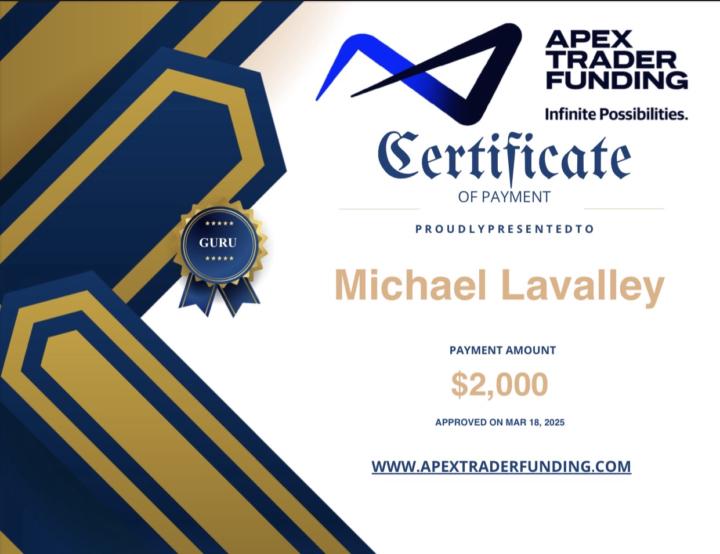
First $2000 Payout!
Thankful for this group and all of the info from Kyle, admins, members! Super stoked to get this payout!
1 like • Mar '25
That's great. Congrats!! Good for you.. I'm new How do you did it?
1-2 of 2

@miguel-soria-5305
I have been working very hard for many years, now I want to achieve financial freedom
Active 296d ago
Joined Mar 28, 2025
Powered by