Activity
Mon
Wed
Fri
Sun
Feb
Mar
Apr
May
Jun
Jul
Aug
Sep
Oct
Nov
Dec
What is this?
Less
More
Owned by Mason
The Auto World is the place to learn about cars. We can help diagnose a problem or give ideas for customization. Whatever it is we can figure it out.
Memberships
Skoolers
181.3k members • Free
13 contributions to The Auto World

Nov '24 •
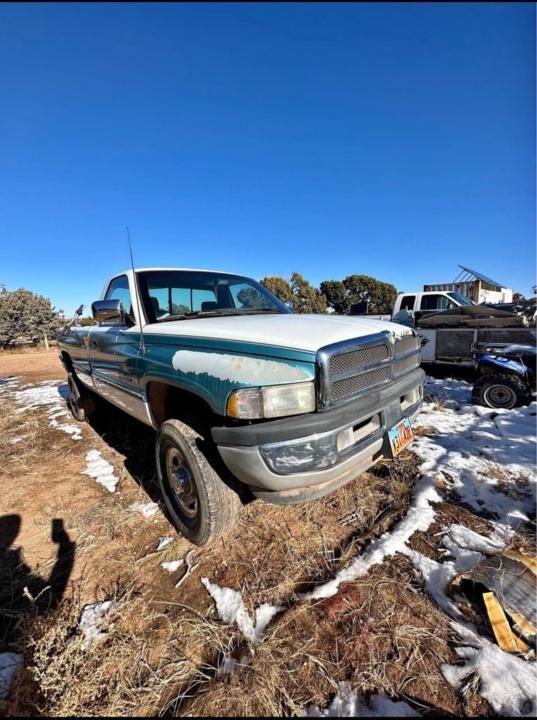
Meet Clyde: My 1996 Dodge Ram 2500 Build
Hey Auto World Community! I’m excited to kick off a new project with my truck, Clyde, a 1996 Dodge Ram 2500 with a powerful V10 8.0L engine. Here’s the rundown of what I have planned so far: Vehicle Info • Name: Clyde • Year/Make/Model: 1996 Dodge Ram 2500 • Engine: V10 8.0L Gas Cosmetic Upgrades 1. Wrap – Custom wrap to give Clyde a fresh, unique look. • Provider: Exclusive Wraps and Tint 2. Window Tint – Adding tint for a sleeker look and better cabin privacy. • Provider: Exclusive Wraps and Tint 3. Headlights – Upgrading to modern headlights for a sleeker look • Link: Headlights 4. Taillights – New taillights for a refreshed rear look. • Link: Taillights 5. Mirror Swap – Adding tow mirrors for better towing visibility and style. • Link: Tow Mirrors) 6. Grille – Updating the grille for a more aggressive front end. • Link: Grille Accessories 1. Head Unit – Upgrading to a new Kenwood head unit for the best quality. (Gonna be planning speakers soon) • Link: Kenwood Head Unit 2. Digital Rear View Mirror – Adding a rearview mirror dash cam for a modern feel and constant recording. • Link: Digital Mirror
0
0
Nov '24 •
Got Car Questions? Ask Here for Tips and Advice!
Hey Auto World Community! If you have questions about your car, need advice on a repair, or are curious about customization ideas, this is the place to ask! Here are a few popular question topics to get you started: 1. Troubleshooting Car Problems • Example Question: “My car won’t start, and I’m not sure if it’s the battery or something else. Any tips for troubleshooting?” 2. Maintenance Tips • Example Question: “How often should I really be changing my oil if I don’t drive much? Are synthetic oils worth it?” 3. Buying or Selling a Car • Example Question: “I’m buying my first car and want something reliable. Any recommendations for affordable, dependable models?” 4. Upgrade and Customization Advice • Example Question: “What’s the best first performance mod to improve my car’s power without breaking the bank?” 5. Driving and Safety Tips • Example Question: “Any tips for improving gas mileage on longer road trips? I’m planning a cross-country drive soon!” 6. Recommendations for Tools and Products • Example Question: “I’m building a basic toolkit for my car. What are some essential tools you’d recommend?” Whatever your question, feel free to post it here, and the community will be happy to help. Don’t hesitate to offer advice if you have knowledge to share as well. Together, we can make car ownership and care easier for everyone!
0
0
Nov '24 •
Car Basics 101 – Essential Things Every Car Owner Should Know!
Hey Auto World Community! If you’re new to cars, learning some basics can go a long way. Here are a few fundamentals to help you get started and feel confident as a car owner. 1. Know Your Car’s Parts • Why: Understanding basic parts helps you identify issues and communicate with mechanics. • Tip: Start with the essentials like the engine, battery, alternator, and radiator, and know where each part is located under the hood. 2. Understand Your Dashboard Lights • Why: Dashboard lights alert you to potential problems, and knowing them helps you react appropriately. • Tip: Familiarize yourself with common symbols like check engine, oil pressure, and battery warnings using your owner’s manual. 3. Learn How to Check Fluids • Why: Fluids are essential for a smooth-running vehicle, and low levels can cause major issues. • Tip: Learn to check oil, coolant, brake fluid, and windshield washer fluid regularly to keep everything in good condition. 4. Know How to Change a Tire • Why: A flat tire can happen anywhere, and knowing how to change it yourself can save you time and money. • Tip: Practice at home if possible. Learn where the jack and spare are located, and check the tire pressure on the spare. 5. Get Familiar with Basic Maintenance Schedules • Why: Regular maintenance keeps your car running smoothly and prevents costly repairs. • Tip: Your owner’s manual has recommended service intervals for oil changes, tire rotations, and other upkeep. 6. Learn About Fuel Types and Efficiency • Why: Using the right fuel type improves performance and fuel efficiency, and helps prevent engine damage. • Tip: Check your manual for the correct fuel type, and look up tips for driving more fuel-efficiently. 7. Understand Tire Care Basics • Why: Proper tire care affects safety, handling, and fuel efficiency. • Tip: Learn to check tire pressure and inspect tread depth regularly. Rotate tires as recommended for even wear. 8. Emergency Kit Essentials • Why: A well-stocked emergency kit prepares you for unexpected situations on the road.
0
0
Nov '24 •
Essential Tips for Buying and Selling A Car!
Hey Auto World Community! Whether you’re looking to buy your first car or sell your current one, here are some key tips to help make the process smooth and successful. 1. Set a Budget • Why: Knowing your budget helps you avoid overspending and keeps you focused on cars within your price range. • Tip: Include additional costs like taxes, insurance, and potential repairs in your budget. 2. Do Your Research • Why: Researching models, prices, and features helps you make informed decisions and find the best value. • Tip: Look at sites like Kelley Blue Book, Edmunds, or AutoTempest to compare prices and reviews. 3. Check the Vehicle History (Buying) • Why: A vehicle history report shows any accidents, service records, and previous owners. • Tip: Use services like CARFAX or AutoCheck to access this info, and avoid cars with major issues. 4. Inspect the Car Thoroughly (Buying) • Why: A close inspection helps you spot any mechanical or cosmetic issues. • Tip: If possible, have a trusted mechanic inspect the car before buying to catch hidden problems. 5. Take It for a Test Drive (Buying) • Why: A test drive reveals how the car handles and lets you check for unusual sounds or issues. • Tip: Test the car on different road types and at varying speeds to get a full sense of its condition. 6. Know Your Car’s Value (Selling) • Why: Knowing the fair market value ensures you set a competitive price. • Tip: Use tools like Kelley Blue Book to get an accurate estimate based on the car’s age, condition, and mileage. 7. Gather All Necessary Documents (Selling) • Why: Having documents ready shows professionalism and speeds up the sale process. • Tip: Have the title, maintenance records, and a bill of sale form prepared before listing your car. 8. Clean and Detail the Car (Selling) • Why: A clean car makes a great first impression and can increase its appeal to buyers. • Tip: Invest in a full interior and exterior clean or do it yourself to make the car look its best.
0
0
Nov '24 •
Essential Maintenance and DIY Repairs for Every Car Owner!
Hey Auto World Community! Regular maintenance is key to keeping your car running smoothly and saving on costly repairs. Here’s a list of easy DIY maintenance tasks that every car owner can handle: 1. Oil Changes • Why: Regular oil changes keep your engine running smoothly and extend its life. • Tip: Check your owner’s manual for the recommended oil type and change intervals. A basic oil change kit makes this an easy DIY task. 2. Changing Air Filters • Why: Clean air filters improve engine performance and fuel efficiency. • Tip: Most air filters are simple to access and replace without tools. Swap them out every 12,000-15,000 miles or as recommended. 3. Replacing Windshield Wipers • Why: New wipers improve visibility during rain and enhance safety. • Tip: Wiper blades are inexpensive and can be replaced in a few minutes. Check size compatibility before purchasing. 4. Battery Maintenance • Why: A healthy battery ensures reliable starts and prevents roadside breakdowns. • Tip: Check the terminals for corrosion and clean them if necessary. If the battery is over three years old, consider getting it tested. 5. Checking Tire Pressure and Tread • Why: Proper tire pressure improves fuel efficiency and handling, while good tread depth provides safe traction. • Tip: Use a tire gauge to check pressure monthly and inspect tread depth using the penny test. 6. Replacing Cabin Air Filter • Why: A clean cabin air filter improves air quality inside your car, especially important for those with allergies. • Tip: Most cabin air filters are easily accessible and can be replaced without tools. Change it every 12,000-15,000 miles. 7. Brake Pad Inspections • Why: Worn brake pads reduce braking efficiency and can damage rotors if left unchecked. • Tip: Inspect the brake pads periodically; replace them if they’re below 3mm in thickness. This is a relatively straightforward DIY task with the right tools. 8. Fluids Check (Coolant, Brake Fluid, Power Steering) • Why: Essential fluids keep your car’s systems working properly.
0
0
1-10 of 13

@mason-foy-7354
My passion for the Car and Truck world drives me to build cool stuff and share it with as many as I can
Active 415d ago
Joined Nov 7, 2024
Powered by