Activity
Mon
Wed
Fri
Sun
Aug
Sep
Oct
Nov
Dec
Jan
Feb
Mar
Apr
May
Jun
Jul
What is this?
Less
More
Memberships
Dakoda Herbals Academy
133 members • Free
3 contributions to Dakoda Herbals Academy

23d •
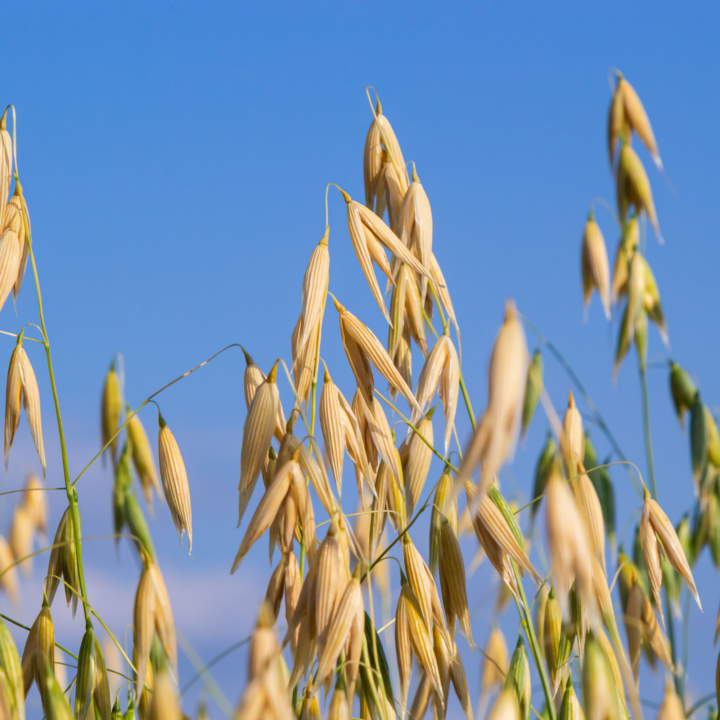
Wednesday Herb Spotlight: Avena sativa (Milky Oats) 🌿
Well...I did it again. 😅 I stopped by my local wholesale nursery "just to look" and somehow left with more plants. In my defense, can any plant lover truly have enough?....don't answer that. Haha While wandering through the nursery, I spotted one of my absolute favorites: Avena sativa, commonly known as milky oats. Of course, they had to come home with me. If you've never worked with milky oats before, they're one of the most beloved herbs for supporting the nervous system. Herbalists often turn to them when someone feels depleted, frazzled, burned out, overstimulated, or simply worn down by the demands of life. The magic happens during a very specific stage of growth, the "milky" stage. If you gently squeeze the immature seed head, a white milky sap emerges. This is the stage traditionally harvested for fresh milky oat tinctures. Why herbalists love milky oats: 🌾 Traditionally used as a nourishing nervine 🌾 Supports a stressed and overworked nervous system 🌾 Often used during periods of burnout and exhaustion 🌾 Rich in minerals and nutrients when used as oatstraw 🌾 Considered one of the gentlest and most nourishing herbal allies One of the things I love most about this plant is that it reminds us that sometimes healing isn't about pushing harder, it's about nourishing what's been depleted. Fun fact: Avena sativa is the same species that gives us common oats, but herbalists utilize different parts of the plant at different stages of growth. Milky oat tops, oatstraw, and oat grain all have their own unique place in herbal traditions. Now tell me, what's the last plant you accidentally brought home when you were only supposed to be "looking"? 👀🌿

1 like • 23d
Brought home 2 mint chives and an oregano the Thyme was for my MIL 😅
26d •
C is for Carminative!
Welcome back to A-Z therapeutic terms! Carminatives are one of the most beloved categories in herbalism because almost everyone has experienced bloating, gas, cramping, or that “my stomach is not happy with me” feeling after a meal. Carminatives are herbs that help relax the digestive tract, ease tension, support the movement of trapped gas, and promote smoother digestion overall. Many are aromatic herbs rich in volatile oils, which is part of why they smell and taste so good. Think of them as the cozy digestive helpers of the herbal world! Some classic carminatives include: + Fennel + Peppermint + Ginger + Chamomile + Cardamom + Dill + Anise + Lemon balm These herbs have been used traditionally across many cultures for digestive comfort after meals, motion sickness, nausea, heaviness, cramping, and general gut support. A few fun facts: + The word “carminative” comes from the Latin carminare, meaning “to card wool,” referring to the idea of “combing out” or relieving gas from the digestive tract. + Many traditional after-dinner teas around the world are naturally carminative. + Fennel seeds were commonly chewed after meals in ancient Rome and India for digestion and fresh breath. + Peppermint’s cooling sensation comes from menthol, which can help relax smooth muscle in the digestive tract. One of my favorite simple combinations: Peppermint + fennel + chamomile as a warm tea after meals. Gentle reminder: Even gentle herbs aren’t one-size-fits-all. For example, peppermint may aggravate reflux in some individuals who have acid reflux, and chamomile should be used cautiously in people with ragweed-family allergies. What’s your favorite digestive herb? 🌱

2 likes • 25d
Just bought a peppermint plant 🪴
May 29 •
Happy Friday! Welcome Back to Our A-Z of Therapeutic Terms!
Today we're on the letter B for Bitters! Bitters are herbs that stimulate digestion through their bitter taste. The moment your tongue recognizes bitterness, your body begins preparing for digestion by increasing saliva, stomach acid, digestive enzymes, and bile production. It's a fascinating example of how the taste of a plant can create a physiological response throughout the body. Traditionally, bitter herbs have been used to support: • Healthy digestion • Bile production and fat digestion • Liver function • Occasional bloating and sluggish digestion • Appetite regulation Some classic examples of bitter herbs include: • Dandelion root • Gentian root • Globe artichoke leaf • Orange peel • Wormwood • Mugwort One interesting thing about modern diets is that many of us consume very few bitter foods compared to our ancestors. Historically, wild greens and bitter herbs were much more common on the dinner table than they are today. A simple way herbalists often incorporate bitters is by sipping a bitter tea or taking a bitter tincture about 15-20 minutes before a meal. Question for the community: Have you ever intentionally used bitter herbs or foods? If so, what are your favorites, and did you notice any difference in your digestion? Educational purposes only. Herbs are not appropriate for everyone, and certain bitter herbs may not be suitable during pregnancy, for individuals with ulcers, or for certain digestive conditions. 🌿

2 likes • Jun 1
@Alexandria Dierkes-Whitson dandelion root and leaf extract burdock root orange peel fennel seed yellow dock root Angelica root gentian root and ginger root extracts
1 like • Jun 9
@Alexandria Dierkes-Whitson its very effective for sure!
1-3 of 3