Activity
Mon
Wed
Fri
Sun
Jul
Aug
Sep
Oct
Nov
Dec
Jan
Feb
Mar
Apr
May
What is this?
Less
More
Owned by Mareme
Explore Africa through travel, culture, and natural beauty. A community for curious travelers and the diaspora reconnecting with the continent
Memberships
Skoolers
183.5k members • Free
Income stream society
11.9k members • Free
SWC 2.0 The Level Up
32.4k members • Free
The Beekeeper
30 members • Free
Millionaire Women Collective
9.9k members • Free
Royale Business Academy
69.6k members • Free
5 contributions to Africa Travel Club

Apr 2 •
⸻ 🇸🇳 Discover Senegal: A Hidden Gem of Africa
Senegal is one of West Africa’s most beautiful and welcoming countries, yet it’s still a hidden gem for many travelers. Beyond what you may see online, Senegal offers a powerful mix of history, culture, nature, and peaceful living. As someone who lives between the U.S. and Senegal, I’ve come to experience this country in a deeper way—and I want to share that with you. Here are some of the most meaningful places to visit 🌊 Dakar – The Heart of Senegal Dakar is the capital city and the cultural center of the country. It’s full of life, creativity, and energy. You’ll find: - Local markets with handmade goods - Beautiful ocean views - Art, music, and fashion everywhere Dakar gives you a real feel of modern African life mixed with deep tradition. 🏝️ Gorée Island – A Place of Reflection Gorée Island is one of the most important historical sites in Senegal. It is known for its connection to the transatlantic slave trade. When you visit, you feel a deep sense of history and emotion. But beyond that, it’s also a peaceful and beautiful island with colorful houses and quiet streets. It’s a place to learn, reflect, and remember. 🌴 Saly – Relaxation & Beach Life If you are looking for rest and relaxation, Saly is the place to go. - Warm weather all year - Beautiful beaches - Resorts and restaurants It’s perfect for a peaceful getaway or vacation. 🌿 Lac Rose (Pink Lake) – A Natural Wonder Lac Rose is one of Senegal’s most unique attractions. The lake gets its pink color from natural minerals and algae. People also harvest salt from the lake, which you can see during your visit. It’s a beautiful and rare experience you won’t find in many places in the world. 🦁 Bandia Reserve – Wildlife Experience If you want to see animals in their natural environment, Bandia Reserve is a must. You can see: - Giraffes - Zebras - Rhinos - Antelopes It’s a great way to experience African wildlife in a safe and natural setting. 🌍 Why Senegal Is Special
2
0
Mar 24 •
Would You Visit This Beach in Senegal?
Senegal is not only rich in history — it is also full of beautiful beaches, warm weather, and peaceful places to relax. From Dakar to Saly, the coastline offers stunning views, local culture, and a unique travel experience. Whether you enjoy relaxing by the ocean or exploring new destinations, Senegal has something special to offer. 👇 Tell me: Are you more interested in 🏝 Beach vacations or 🏛 Cultural & historical experiences? https://youtu.be/L-Rh98zuP1Q?si=Bec3WKuXSMdvXnc-
1
0
Mar 16 •
Welcome to Africa Travel Club.
Welcome to Africa Travel Club. This community is for people interested in Africa travel, culture, and reconnecting with the continent. Where are you joining from?
1
0
Mar 16 •
The History of Gorée Island — A Place the World Must Never Forget
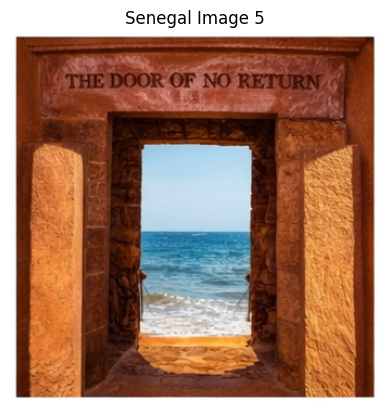
Just a short boat ride from Dakar lies Gorée Island, one of the most important historical sites in Africa. From the 15th to the 19th century, Gorée Island became a major trading post during the transatlantic slave trade. European powers including the Portuguese, Dutch, French, and British controlled the island at different times. Thousands of African men, women, and children were held on the island before being forced onto ships and sent across the Atlantic to the Americas. One of the most powerful symbols on the island is the Door of No Return inside the House of Slaves. This doorway faces the ocean and represents the final point where many enslaved Africans left their homeland forever. Today, Gorée Island is a UNESCO World Heritage Site and a place of remembrance, reflection, and education. Visitors from around the world come to learn about this painful history and honor the strength and resilience of African people. Gorée Island also represents healing — a place where descendants of the African diaspora can reconnect with history and culture. 👇 I would love to hear from you: Would visiting Gorée Island be meaningful for you? What emotions do you think you would feel standing at the Door of No Return?
0
0
Mar 16 •
🌍 Welcome to Africa Travel Club — Introduce Yourself!
🌍 Welcome to Africa Travel Club! Hello everyone, and welcome! My name is Mareme Seck Diop. I spent more than 20 years in the United States building businesses in the beauty industry, and today my life is divided between the U.S. and Senegal. Through my work in Senegal, I collaborate with women entrepreneurs, farmers, and local communities to create opportunities and reconnect the African diaspora with the continent. I created this community for people who want to: • Discover Africa through travel • Learn about culture and traditions • Explore Africa’s natural beauty and botanical secrets • Connect with others who feel a calling toward the continent Whether you are curious about visiting Africa, learning about African beauty traditions, or reconnecting with your roots — you are welcome here. 👇 Let’s start by introducing ourselves. 1️⃣ Where are you joining from? 2️⃣ Have you ever visited Africa? 3️⃣ What would you most like to learn or experience here? I’m excited to build this community toge
0
0
1-5 of 5
@mareme-diop-7590
Learning, growing, and showing up 💻
Building toward financial freedom
One step at a time
Active 10h ago
Joined Mar 7, 2026
Senegal
Powered by