Activity
Mon
Wed
Fri
Sun
Nov
Dec
Jan
Feb
Mar
Apr
May
Jun
Jul
Aug
Sep
Oct
What is this?
Less
More
Owned by Marco
Built Into Mason helps beginners, DIYers, and future masons learn real job-site skills, make great money in progres, grow fast, and build an empire.
Synthesizer
47.2k
Free
Construction Contractors Hub
5.6k
Free
People Clarity
340
5.0
$1/y
Skool Course
36.6k
3.0
$29/m
Skoolers
150.5k
Free
41 contributions to Built into Mason
Jul 24 •
👋 Welcome to **Built Into Mason** 🧱
Welcome to the community! Whether you’re a homeowner, DIYer, apprentice, or experienced mason, you’re in the right place. This community is built around real job-site experience, practical knowledge, and learning the trade the right way—no shortcuts, no fluff. Here you’ll learn: ● 🧱 Brick, block, and stone masonry ● 🔨 Repointing, repairs, and rebuilds ● 💰 How to price jobs and grow your income ● 📚 Tips that come from years on the job, not just textbooks I’m a third-generation mason, and my goal is to help you avoid costly mistakes, build confidence, and improve your skills one project at a time. Before you dive in: 1. Introduce yourself. 2. Tell us where you’re from. 3. Share your experience level (DIY, apprentice, contractor, etc.). 4. Let us know what you want to learn. Ask questions, share your work, help others, and let’s build something solid together. Welcome to the crew. Let’s get to work! 👊🧱
2 likes • Jul 25
@Adam Finch Great to have you here! I’m a third-generation mason from Quebec. Thanks for sticking around the group—we’re building a community where everyone, regardless of their trade or experience, can learn from each other, share real-world knowledge, and help each other grow. Looking forward to seeing more of your insights!
1 like • Jul 25
@Adam Finch Thanks, I really appreciate that! That sounds like a great group. I’m always looking to connect with other construction professionals and learn from people in the industry. I’d definitely be interested in collaborating and finding ways we can help each other grow.
May 21 •
Q&A Time 👷🧱
Ask me anything about:• Masonry• Brick repairs & restoration• Starting in construction• Tools & techniques• Running a masonry business• Getting clients & pricing jobs• Making money in the trades• Entrepreneurship & self-employment• Job site experiences• Fitness/work balance• Or life lessons learned through hard work and construction No fluff — real answers from real experience on and off the job site. Drop your questions below 👇
2 likes • May 23
@Adam Finch this wouldn’t be safe or water resistant 😅 but good question, do the answer is no
May 19 •
The first steps
First step on any good masonry job: protect the structure properly before touching anything. 👌 Roof fully covered with tarps and plywood, clean and secure to avoid water infiltration or damage during the work. A clean setup always makes a big difference on a job site. Daily progress video #1 — more coming soon. 🔨

1 like • May 20
@Nancy Melillo Absolutely. Clean prep and proper protection are usually the first signs that a crew actually cares about the final result, not just rushing to lay brick. Anyone can post a finished wall… but protecting the roof, keeping materials dry, organizing the site, and thinking ahead is what prevents problems later on. In masonry, the small details before the work even starts often say the most about the professionalism behind the project. 👌
May 20 •
#2 Wall officially started 🔥🧱
After properly protecting the roof with tarps and plywood, it was time to start building.A clean setup at the beginning makes a huge difference during the whole project. Everything is staying protected while work moves forward step by step. 👌More progress coming soon.
3
0

May 18 •
Masonry teaches one life lesson most people never figure out…
One thing I genuinely appreciate about this community is that it feels built by people who actually care about the trade not just content. Big respect to the admin, @Marco Caza for creating a space like this where real builders, masons and hardworking people can learn from each other daily. 👏 Something this trade keeps teaching me: The best masons usually aren’t the loudest… They’re the ones who stay consistent for years. Clean work. Showing up on time. Taking pride in details. Always learning even after experience kicks in. A lot of people chase speed early on but long-term respect seems to come from standards and reliability. Can you share what’s one lesson masonry or construction taught you that changed the way you work or even live?
1 like • May 18
@Nancy Melillo That’s a great point and honestly one of the biggest lessons masonry taught me too. A good mason isn’t built in a week, a season, or even a few years.This trade teaches patience, consistency, and pride in your work even when nobody’s watching. One thing masonry changed for me personally is understanding that shortcuts usually cost more in the long run.Whether it’s in work, business, fitness, or life… solid foundations matter. The guys who last in this trade are usually the ones who:• keep showing up• stay humble• learn from mistakes• and still care about doing clean work after thousands of bricks Respect to everyone here sharing real experience and helping each other grow. That’s what Built Into Mason is all about 👊
1-10 of 41
@marco-caza-7927
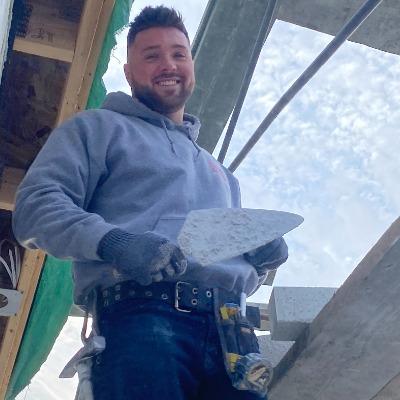
Full-time mason teaching real-world skills to build income, freedom, and a solid future—straight from the job site.
Active 6d ago
Joined Jan 8, 2026