Activity
Mon
Wed
Fri
Sun
Oct
Nov
Dec
Jan
Feb
Mar
Apr
May
Jun
Jul
Aug
Sep
What is this?
Less
More
Owned by Manda
Stop collecting ideas and start finishing real projects with AI. Get practical challenges, clear workflows, creator resources that keeps you moving.
Create better images, digital products and bots without spending hours on prompts. Steal mine, make them yours, and create faster.
LlynFay Inc. Marketplace
470
Free
Grace 4 Africa Child Care
57
Free
39 contributions to Oasis Builders

🔥
28d •
Review the Test and Decide What to Keep
Last week we changed one point of friction in an ordinary household practice and gave the change a chance to work. This week, we look at what actually happened. A change can seem like a good idea and still not improve the household system. Moving an item closer to where it is used might save several steps. Preparing something the night before might make the morning easier. Changing where supplies are stored might help one person while making the task harder for someone else. The question is not simply, did the change work, we need to look at the whole effect. Ask yourself: - Did the practice become more dependable? - Did it reduce the original point of friction? - Did the problem simply move somewhere else? - Did the change create new work, expense, clutter, or inconvenience? Then make one of three decisions. Keep it if the change consistently makes the practice easier or more dependable without creating another significant burden. Adjust it if the idea helped but still has a weak point. Make another small change rather than rebuilding the whole system. Remove it if it creates as much trouble than it solves. Returning to the earlier method is not failure. The test gave you useful information. This works whether we are dealing with a pantry shelf, laundry routine, tool storage, kitchen cleanup, household paperwork, or another ordinary practice. The best solution may look different in an apartment, a suburban home, a busy family, or a household working with limited mobility, time, or money. This week's practice: Go back to the change you tested last week. Decide whether you will keep it, adjust it, or remove it, and identify what you observed that led to that decision. A useful household improvement earns its place by making the system more dependable without creating an equal or greater burden elsewhere. After reviewing a small household change you tested, what did you find?
Poll
3 members have voted

🔥
3 likes • 28d
I think I'm going to leave it for a while longer and see if I want to keep it that way
🔥
30d •
Access and Maintenance Are Part of the Plant Relationship
Last week, we looked at how plants share resources across space and time. This week, we add another relationship to observe in our ability to move through and care for the planting. A plant that fits well today may eventually spread into a path, block access to a neighbor, or make harvesting and routine care more difficult. Before changing anything, look at one planting and imagine the plants at their mature size. Can you still walk where you need to walk? Can you reach what needs to be harvested or cared for? Will one plant make another harder to see or reach? Identify one place where future growth could make access or maintenance more difficult. Permanent principle: A planting relationship must work for both the plants and the people responsible for maintaining it. Which observation most clearly shows that plant growth is creating an access or maintenance problem?
Poll
6 members have voted
🔥
2 likes • 30d
I think 🤔
🔥
1 like • 28d
@Jim Flach yay, sometimes i pay attention lol

🔥
2 likes • Aug 11
i love this
🔥
Jul 4 •
Appreciation for Community
On this day, I am reminded that freedom is not only something we inherit from history, but something we practice in how we live, speak, care for one another, and stay rooted in truth. A free people are strongest when we remember our connection, honor the dignity of each person, and choose courage over fear. May this day bring gratitude, responsibility, and a deeper sense of unity. Thank you for being an important part of the Oasis Builders community both here and abroad. You are all greatly appreciated.
🔥
4 likes • Jul 4
we appreciate everything you do in this community, you have helped me so much. i appreciate you ❤️
🔥
4 likes • Jul 4
@Jim Flach
🔥
May 27 •
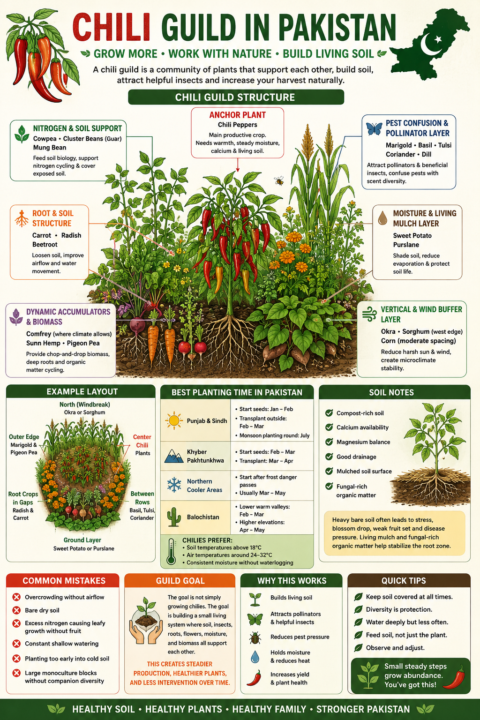
Chili Guild
This is made for warmer climates although the concept would work anywhere warm. @Mohammad Irtaza Tafheem @Oliver Wing
🔥
3 likes • May 28
Great information thank you, I really needed this
1-10 of 39

🔥
@manda-jackson
💜 Creator of Skill & Soul Studio + Prompt Workshop 💜 Helping creators turn ideas into digital products with practical AI.
Active 12h ago
Joined Dec 23, 2025
INTJ
Kilcoy QLD Australia