Activity
Mon
Wed
Fri
Sun
Sep
Oct
Nov
Dec
Jan
Feb
Mar
Apr
May
Jun
Jul
Aug
What is this?
Less
More
AI Marketing Mastery
789 members • $27/month
Max Business School™
266k members • Free
8 contributions to NEXT-GEN ROVERS

Mar 30 •
Welcome to Next-Gen Rovers
Dear Members, Thank you for joining Next-GEN ROVERS. If you’re interested in enrolling in our ROV online training course, please contact the admin team. Should you have any questions or once you’re ready to proceed with payment, we’ll be glad to walk you through the process step by step. We're opening enrollment now, and we're keeping the first cohort intentionally small so everyone gets real attention. If you've been waiting for the right moment, this is it. SECURE YOUR SPOT for $1,500 "Click here" Best regards, Next-GEN ROVERS Team
0
0
Mar 19 •
Here Is What You Walk Away With
Here is what you will be able to do after completing the Next Gen ROV Course: ✅ Understand the full history and evolution of ROV technology and where the industry is heading ✅ Identify and explain every major system and component inside an ROV ✅ Apply real navigation and piloting fundamentals used by professionals in the field ✅ Think, react, and make decisions like a trained ROV pilot This is not surface level content. This is a structured, practical education built for people who are serious about this industry. Enrollment is open now at $1,500 with lifetime access. Click the link in our profile to get started. "click here" to secure your spot
1
0
Mar 19 •
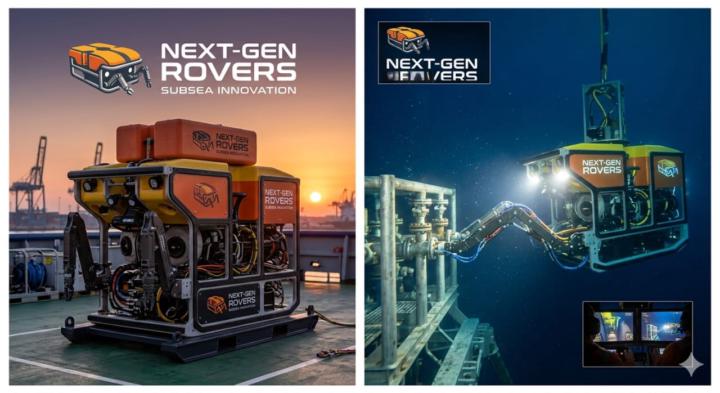
We Want to Hear From You
What brought you into the world of ROV? Drop your answer below 👇 Whatever your answer, you're in the right place. This community exists to take you further than where you started. Let's hear it.
Poll
2 members have voted
3
0
Mar 19 •
The Career Most People Have Never Heard Of
Did you know ROV pilots can earn between $500 and $1,500 per day working offshore? Most people have never even heard of this career, yet the demand for skilled ROV pilots is growing faster than the industry can keep up with. Oil and gas, underwater inspection, scientific research, search and rescue , these sectors all depend on people who know how to operate this technology. The opportunity is real. The question is whether you're building the skills to take it. That's exactly what we're here for. 👇
1
0
Mar 11 •
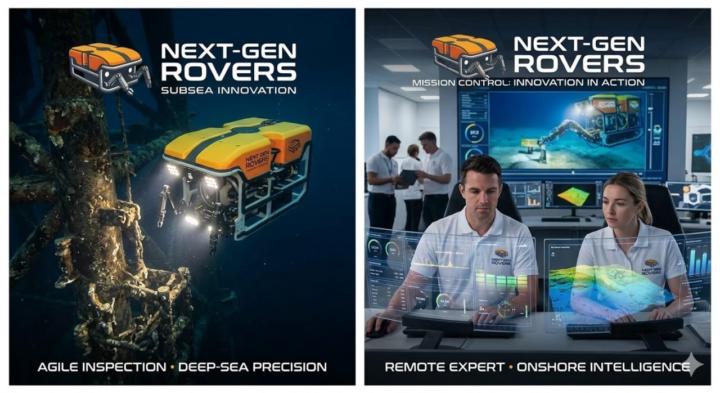
Welcome to NEXT‑GEN ROVERS
We’re excited to have you here. This community is built for professionals, students, and enthusiasts who want to explore the world of subsea robotics and offshore operations. What You’ll Gain - Access to training modules that explain ROV systems step by step. - Practical knowledge of offshore operations, from inspection to heavy work. - Visual resources — diagrams, videos, and case studies — to make learning clear. - A pathway to certification that strengthens your professional profile. - A supportive network of peers and mentors across industries. How to Get Started 1. Introduce yourself in the community feed. 2. Share your background and what you hope to achieve here. 3. Register for the ROV course to begin your learning journey. 4. Engage with discussions and resources to deepen your understanding.
1
0
1-8 of 8

@maboug-noella-1374
Account& Business development manager specialised in subsea projects
Active 94d ago
Joined Jan 8, 2026